


Certain prices have officially crossed lines where people said enough. You refuse to pay costs that became unreasonable. These aren’t luxuries you’re cutting, but everyday expenses where prices exceeded tolerance. The refusal represents boundaries about what you’ll accept.
$8 Fast Food Combo Meals
You stopped paying $8 to $12 for fast food combos. Fast food was supposed to be cheap convenient option. Current prices match sit-down restaurant meals without the service or quality.
💸 Take Back Control of Your Finances in 2025 💸
Get Instant Access to our free mini course
5 DAYS TO A BETTER BUDGET
A burger, fries, and drink costing $10 makes fast food pointless. You pack lunches or choose cheaper options. Fast food lost its value proposition when prices climbed to casual dining levels.
The quality didn’t improve as prices increased. You refuse to pay restaurant prices for drive-through food. Fast food companies pricing themselves out of their own market pushed customers away.
$6 Grocery Store Prepared Foods Per Pound
You quit buying prepared foods from grocery store delis and hot bars. Six to nine dollars per pound for basic items you could make for $2 per pound became unacceptable.
Rotisserie chickens, pasta salads, and prepared vegetables carry huge markups. You cook these items at home in minutes for fraction of costs. The convenience premium of 200% to 300% crossed into ripoff territory.
Grocery stores banking on lazy shopping met resistance. You plan ahead and prepare food yourself. Refusing deli counter pricing saves $200 to $400 monthly.
$15 Casual Lunch Entrees
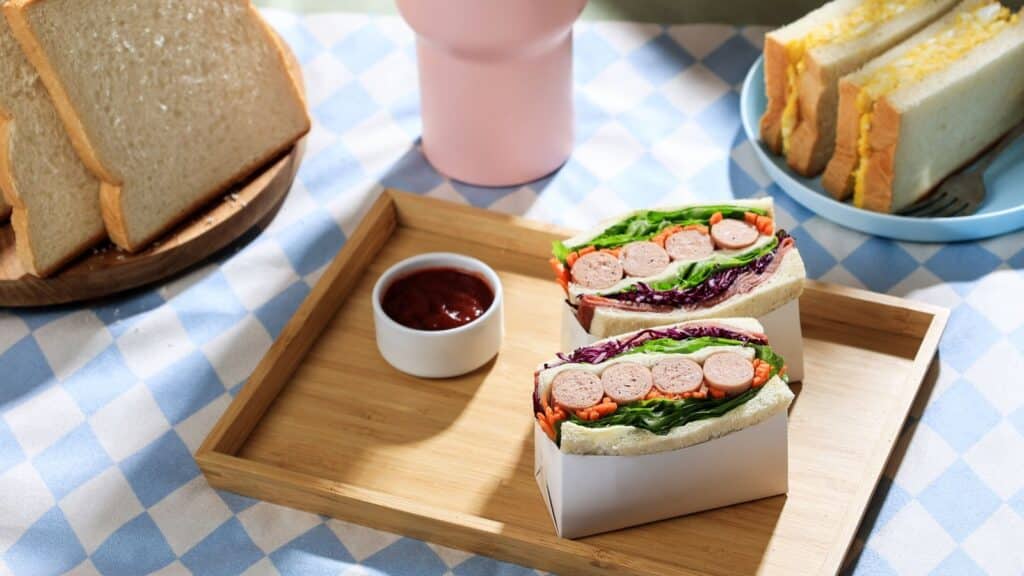
You stopped paying $15 to $18 for basic lunch entrees at casual restaurants. Sandwiches and salads don’t justify these prices. Lunch became $20 to $25 with drink and tip.
Casual lunch spots priced themselves out of weekday dining. You bring lunch from home or find cheaper alternatives. The price increases happened gradually until suddenly lunch out became unaffordable.
Restaurants lost regular lunch customers to packed meals. You refuse to pay $300 to $400 monthly for workday lunches. The prices don’t match value received.
$5 Coffee Drinks
You draw the line at $5 to $7 for coffee drinks. Coffee is beans and water. Paying coffee shop prices daily totals $1,500 to $2,000 yearly.
Occasional coffee shop visits are fine. Daily habit pricing is unacceptable. You make coffee at home for 20 to 30 cents per cup. The markup on coffee drinks became too high to justify.
Coffee shops count on habit and convenience. You broke the pattern. Refusing daily coffee shop prices redirects thousands annually toward better uses.
$3 ATM Fees
You won’t pay $3 to $5 to access your own money. ATM fees for out-of-network machines are pure profit for banks. Free ATM networks make these fees completely avoidable.
Planning ahead to use in-network ATMs eliminates fees. You get cash back at stores if needed. Out-of-network ATM fees represent the easiest money waste to eliminate.
Banks offer thousands of fee-free ATMs. You refuse to pay penalties for basic account access. The fees serve no legitimate purpose.
$20 Parking at Events and Airports
You quit paying $20 to $40 for event and airport parking. Rideshares, public transit, or distant cheaper lots provide alternatives. Parking fees feel like ransom charges.
Venues and airports exploit captive audiences with parking prices. You plan transportation avoiding these fees. Paying $30 to park when rideshares cost similar amounts makes no sense.
The parking monopolies at popular destinations pushed people toward alternatives. You refuse to accept parking as unavoidable expense. Better planning eliminates most parking fees.
$12 Movie Theater Popcorn
You stopped buying concessions at movie theaters. Twelve dollars for popcorn and $6 for soda is absurd. The markups exceed 1,000% over actual costs.
Smuggling in snacks or eating before movies became standard. You refuse to pay concession prices that multiply food costs ten times. The theater experience doesn’t require $20 in overpriced snacks.
Theaters lost concession revenue to people rejecting ridiculous pricing. You attend movies but skip concessions. The prices crossed from expensive to insulting.
$50 Oil Changes

You refuse $50 to $80 oil changes at dealerships and quick lube shops. DIY oil changes cost $25 to $35 including oil and filters. The service takes 20 minutes.
Oil changes are simple maintenance. You learned to do them yourself or found honest mechanics charging reasonable rates. Dealership oil change pricing feels like scams targeting automotive ignorance.
Basic car maintenance shouldn’t cost premium prices. You refuse to overpay for services you can handle. Oil change shops banking on convenience met customers willing to learn.
$100 Haircuts
You stopped paying $75 to $150 for haircuts. Chain salons and barbers deliver similar results for $20 to $30. Hair grows back making premium cuts temporary investments.
Expensive salons provide nice atmospheres. But not worth triple or quadruple prices for same haircuts. You found affordable stylists who cut hair well without luxury pricing.
The markup on haircuts at high-end salons became unjustifiable. You refuse to pay for ambiance and brand names. Competent affordable cuts serve equally well.
$8 Craft Beer Pints
You quit paying $7 to $10 for single beers at bars and restaurants. Six-packs from stores cost $10 to $15 total. Bar beer pricing means paying $40 to $60 for what costs $12 retail.
Social drinking at bars became occasional rather than regular. You buy beer from stores and drink at home or friends’ houses. The bar markup of 300% to 400% exceeded tolerance.
Bars lost regular customers to home consumption. You refuse to pay premium prices for identical beer in different locations. The prices don’t justify the setting.
Drawing Lines
These refusals represent conscious decisions about acceptable pricing. You’re not being cheap. You’re rejecting costs that exceeded reasonable bounds.
The companies and venues charging these prices lost customers. You found alternatives or eliminated purchases. Drawing lines on pricing is rational response to businesses pushing too far.
This article first appeared on Cents + Purpose.