


Home improvements often get expensive without giving you much in return. Some upgrades stand out because they lower utility bills, cut maintenance costs, and prevent costly repairs. These seven projects take some upfront spending, but the savings grow over the years you live in your home.
Proper Insulation in Attics and Walls
Inadequate insulation forces heating and cooling systems to work harder and run longer. Adding proper insulation cuts energy bills by 15% to 20% in most homes. The investment typically pays back within three to five years through reduced utility costs.
💸 Take Back Control of Your Finances in 2025 💸
Get Instant Access to our free mini course
5 DAYS TO A BETTER BUDGET
Attic insulation provides the biggest bang for the buck because heat rises. Adding blown-in insulation costs $1,500 to $2,500 for average homes but saves $200 to $400 annually. Wall insulation works best during renovation projects when walls are already open. The combined savings accumulate substantially over decades of ownership.
Proper insulation also reduces strain on HVAC systems. Equipment lasts longer when it doesn’t run constantly. The extended lifespan delays expensive replacement costs. Comfort improves too as temperature variations decrease throughout the home.
Programmable or Smart Thermostats

Smart thermostats cost $150 to $300 installed but reduce heating and cooling costs by 10% to 23% according to utility studies. The devices learn patterns and adjust temperatures automatically. Empty homes don’t get heated or cooled unnecessarily.
The payback period runs six months to two years depending on climate and usage patterns. Homes with significant temperature swings between occupied and unoccupied periods see faster returns. Remote control via smartphone prevents wasted energy when plans change.
These thermostats provide usage data that reveals wasteful patterns. Seeing actual costs of temperature preferences encourages better habits. The combination of automatic efficiency and informed choices compounds savings beyond what manual thermostats allow.
LED Lighting Throughout the Home

LED bulbs cost more upfront but last 15 to 25 times longer than incandescent bulbs while using 75% less energy. Replacing all bulbs in a typical home costs $100 to $200. Annual savings range from $75 to $200 depending on usage and electricity rates.
The math strongly favors LEDs. A 60-watt incandescent costs about $4.80 yearly to operate. An equivalent LED costs $1. Over the LED’s 25,000-hour lifespan, the savings exceed $100 per bulb. Multiply across 30 to 50 bulbs and total savings reach thousands.
Reduced replacement frequency saves time and money beyond electricity costs. Reaching high ceiling fixtures or outdoor lights becomes less frequent. The convenience factor adds value beyond pure financial returns.
Low-Flow Fixtures and Efficient Appliances
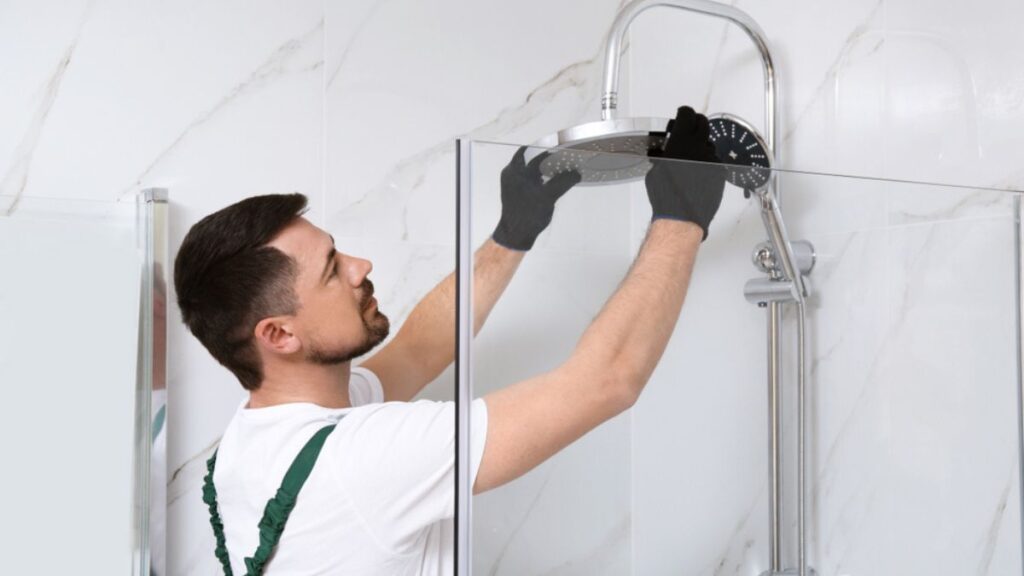
Low-flow showerheads and faucet aerators cost $20 to $100 per fixture but reduce water usage by 30% to 50%. A family of four typically saves $100 to $200 yearly on water and sewer bills plus additional savings on water heating costs.
Efficient appliances carry higher purchase prices but deliver long-term savings. Energy Star washing machines use 25% less energy and 33% less water than standard models. Efficient dishwashers save $35 annually in utility costs. The savings accumulate over the 10 to 15 year lifespan of major appliances.
Water heater replacement offers major efficiency gains. Tankless models or heat pump water heaters cost more initially but can cut water heating costs by 30% to 50%. Water heating typically represents 18% of home energy use making efficiency improvements impactful.
Proper Weatherstripping and Caulking

Air leaks around windows, doors, and penetrations waste significant energy. Professional air sealing costs $350 to $600 for typical homes. DIY weatherstripping and caulking costs under $100. Either approach saves 10% to 20% on heating and cooling bills.
The project delivers immediate comfort improvements. Drafts disappear. Temperature consistency improves. The home feels more comfortable at lower thermostat settings in winter and higher settings in summer. These comfort gains often enable additional savings through adjusted temperature preferences.
Weatherstripping requires periodic replacement but caulking lasts years. The maintenance prevents moisture intrusion that causes more expensive damage. Preventing water damage and mold growth protects home value beyond energy savings.
Quality Roofing and Gutter Systems

Cheap roofing fails prematurely requiring expensive replacement. Quality materials cost 20% to 40% more but last twice as long. The extended lifespan spreads costs over more years reducing annualized expense. Premium shingles lasting 30 years cost less per year than budget shingles failing at 15 years.
Proper installation matters as much as materials. Paying experienced contractors prevents leaks that cause interior damage. Water intrusion ruins insulation, damages ceilings, and creates mold. The cost of fixing water damage far exceeds the price difference between adequate and quality roofing.
Functional gutters and downspouts protect foundations and prevent basement flooding. Gutter guards cost $1,000 to $2,000 installed but eliminate cleaning needs and prevent clogs that cause overflow. Foundation repairs cost thousands making gutter protection a bargain.
High-Quality Windows and Doors
Window replacement ranks among the most expensive home improvements. Quality windows cost $500 to $1,500 each installed. The investment pays back through lower energy bills, reduced maintenance, and improved comfort. Cheap windows fail within 10 years. Quality windows last 20 to 30 years.
Energy-efficient windows reduce heat loss in winter and heat gain in summer. Savings range from $150 to $500 annually depending on climate and replaced window quality. Low-E coatings and gas fills improve performance with minimal cost increase. The efficiency improvements compound when combined with proper installation and air sealing.
Quality exterior doors prevent air leakage and enhance security. Solid core doors with proper weatherstripping seal better than hollow core options. Steel or fiberglass doors require less maintenance than wood. The durability and efficiency justify higher initial costs through decades of service.
Calculate Real Returns

These investments share important characteristics. They reduce ongoing expenses rather than just adding features. The savings continue year after year creating cumulative value far exceeding initial costs. Payback periods range from immediate to five years with benefits continuing for decades.
The combination of multiple improvements creates synergistic effects. Insulation works better with sealed air leaks. Efficient HVAC systems perform better in tight, well-insulated homes. The whole-house approach maximizes returns from individual improvements.
Prioritizing investments by payback period and available budget makes the most sense. Quick wins like LED bulbs and weatherstripping build momentum. Larger projects like windows and roofing get planned for when budgets allow. The key is recognizing that money spent on efficiency returns value through lower costs rather than disappearing into consumption or purely aesthetic improvements that provide no financial benefit.
This article first appeared on Cents + Purpose.