


Energy bills keep climbing, but most people focus on the same tired solutions. Programmable thermostats and LED bulbs help, but plenty of overlooked items can slash energy costs just as effectively. These unexpected tools and strategies often deliver better returns than popular energy-saving products.
Thermal Curtains Block Heat Transfer Effectively

Heavy insulated curtains do more than darken rooms. They create a barrier between windows and interior spaces that reduces heat transfer dramatically. In summer, they block solar heat gain. In winter, they prevent warm air from escaping through windows.
💸 Take Back Control of Your Finances in 2025 💸
Get Instant Access to our free mini course
5 DAYS TO A BETTER BUDGET
Windows are among the least efficient parts of any home. Single-pane windows especially leak energy constantly. Thermal curtains add an insulation layer for a fraction of what window replacement costs. The difference in room temperature and HVAC workload becomes noticeable immediately.
Quality thermal curtains cost $30 to $100 per window but can reduce heating and cooling costs by 10% to 25%. The payback period is often less than a year. Closing them during extreme temperatures maximizes the benefit without requiring any behavior change once installed.
Door Draft Stoppers Seal Air Leaks Cheaply
The gap under exterior doors lets conditioned air escape constantly. Draft stoppers are simple fabric tubes filled with sand or foam that block this air leak. They cost $10 to $20 but prevent hundreds of dollars in energy waste annually.
Air leaks force HVAC systems to run longer and work harder. Sealing the gaps under doors is one of the most cost-effective energy improvements possible. The impact feels immediate as rooms maintain temperature better and systems cycle less frequently.
Most people never think about door gaps as energy problems. But this simple solution addresses a major source of waste. Using draft stoppers on all exterior doors creates noticeable comfort improvements while cutting energy consumption significantly.
Reflective Window Film Reduces Cooling Costs

Window film reflects solar heat before it enters your home. It reduces cooling loads substantially in sunny climates. The film installs easily on existing windows for much less than replacement windows or expensive shading systems.
Rooms with direct sun exposure heat up significantly during summer. This forces air conditioning to work overtime. Reflective film blocks up to 80% of solar heat while still allowing natural light. The reduction in cooling demand translates directly to lower electric bills.
Quality window film costs around $5 to $10 per square foot installed. For south and west-facing windows, the energy savings often recover costs within two to three years. The film also reduces UV damage to furniture and flooring, adding additional value.
Smart Power Strips Eliminate Phantom Loads

Electronics draw power even when turned off. This phantom load wastes electricity 24 hours daily across multiple devices. Smart power strips cut power completely to devices when not in use, eliminating this constant drain.
TVs, game consoles, computer equipment, and kitchen appliances all consume standby power. A typical household has 20 or more devices creating phantom loads. Together they can add 5% to 10% to electric bills unnecessarily.
Smart power strips cost $20 to $40 but reduce phantom power waste completely. They detect when primary devices turn off and automatically cut power to connected devices. The energy savings continue indefinitely without requiring any ongoing effort.
Attic Fans Pull Hot Air Out Naturally
Attics trap enormous amounts of heat during summer. This heat radiates down into living spaces, making cooling systems work harder. Attic fans exhaust hot air and pull cooler air through vents, reducing attic temperatures by 20 to 40 degrees.
Lower attic temperatures mean less heat transfer to rooms below. Air conditioning runs less and maintains comfort more easily. The fans themselves use minimal electricity compared to the cooling savings they create.
Solar-powered attic fans require no electrical connection and cost nothing to operate. Even electric models use far less energy than the air conditioning savings they generate. The investment typically pays back within a few cooling seasons.
Weatherstripping Tape Seals Countless Gaps

Windows and doors have dozens of small gaps that leak air constantly. Weatherstripping tape seals these openings for pennies per foot. A $20 roll of tape can seal all the windows and doors in an average house.
The cumulative effect of sealing multiple small leaks equals major energy savings. Air infiltration forces heating and cooling systems to compensate constantly. Eliminating these leaks reduces system runtime and energy consumption noticeably.
Application takes a few hours but saves energy indefinitely. The tape needs replacement every few years as it wears. But the minimal cost and effort make this one of the highest-return energy improvements available.
Outlet Insulation Pads Stop Air Leakage
Electrical outlets on exterior walls leak air through gaps behind the cover plates. Foam insulation pads designed for outlets seal these hidden leaks. They cost about 50 cents each and install in seconds.
Most homes have dozens of outlets on exterior walls. Each one allows air exchange that wastes energy. Installing insulation pads on all exterior outlets creates cumulative savings that impact heating and cooling costs measurably.
The pads are fire-rated and designed specifically for this purpose. They don’t interfere with electrical safety. This simple upgrade costs less than $20 for an entire house but prevents ongoing energy waste from a source most people never consider.
Ceiling Fan Direction Changes With Seasons

Ceiling fans have reverse switches that change blade rotation direction. This simple adjustment maximizes their efficiency for heating and cooling. Most people never use this feature or don’t understand its impact.
In summer, fans should spin counterclockwise to push air down and create cooling breeze. In winter, reverse the direction to clockwise at low speed. This pulls air up and pushes warm air that collects at the ceiling back down into living spaces.
Using fans correctly reduces reliance on heating and cooling systems. The energy fans consume is minimal compared to HVAC equipment. Proper seasonal direction changes help maintain comfort while reducing system runtime and energy costs year-round.
Programmable Outlet Timers Control Devices Automatically
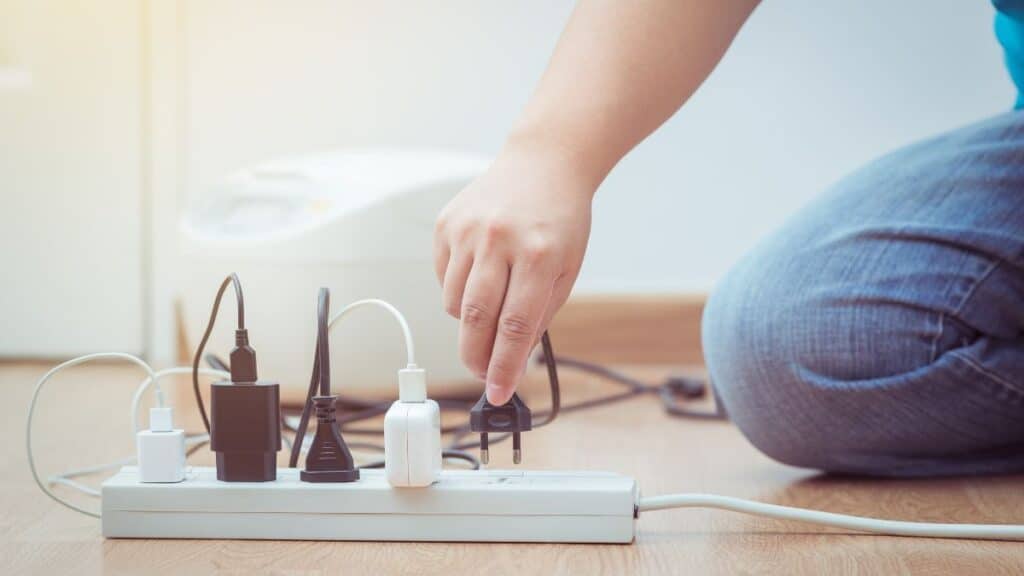
Outlet timers automatically control when devices receive power. They prevent energy waste from equipment that doesn’t need 24-hour power. Timers work for water heaters, outdoor lighting, decorative features, and seasonal equipment.
Electric water heaters maintain temperature constantly even during hours when nobody uses hot water. Timers can shut them off overnight or during work hours. The same approach works for devices that run unnecessarily when nobody’s home.
Basic timers cost $10 to $15 each. More sophisticated versions with multiple settings cost slightly more. Either way, the energy savings from eliminating unnecessary operation quickly exceed the minimal investment. The devices work indefinitely once programmed.
Duct Tape and Mastic Seal HVAC Leaks

Ductwork often has leaks that waste conditioned air before it reaches living spaces. Sealing ducts with proper mastic or metal-backed tape prevents this loss. The improvement in system efficiency can reach 20% or more in homes with leaky ducts.
Most ductwork runs through unconditioned spaces like attics and crawlspaces. Air leaking there is completely wasted. Sealing accessible duct joints and connections keeps conditioned air flowing to intended spaces.
Professional duct sealing costs hundreds or thousands. DIY sealing costs under $50 for materials. Even sealing just the accessible sections creates substantial savings. This often-overlooked maintenance delivers immediate and lasting energy reduction.
Small Investments Create Big Savings

These unexpected items share common traits. They’re inexpensive, easy to implement, and deliver returns far exceeding their costs. None require professional installation or major home modifications. Most people overlook them while pursuing more expensive energy improvements.
Energy costs will keep rising. Small strategic investments in overlooked solutions create ongoing savings that compound over years. The cumulative effect of implementing several of these items can reduce energy bills by 20% to 30% or more.
The key is recognizing that effective energy savings don’t require massive investments. Simple, inexpensive items often outperform expensive upgrades when measured by cost per dollar saved. Understanding which overlooked solutions deliver the best returns helps you cut energy costs without breaking your budget.
This article first appeared on Cents + Purpose.