


Convenience used to drive purchasing decisions across categories but that’s changing rapidly. People are choosing value even when it requires more effort. The shift reflects changed priorities and tighter budgets. Here are nine categories where Americans are prioritizing value over convenience.
Grocery Shopping

Discount grocers replaced convenient neighborhood stores. People drive farther to save money on food. Multiple store visits for best prices became normal. The extra effort saves thirty to forty percent on grocery bills.
💸 Take Back Control of Your Finances in 2025 💸
Get Instant Access to our free mini course
5 DAYS TO A BETTER BUDGET
Shopping close to home saved time but cost more. Budget pressure made the tradeoff unacceptable. Aldi trips replaced Whole Foods convenience. Buying loss leaders at different stores maximized savings. The time investment pays off through lower food costs. Convenience stopped being worth the premium.
Meal Preparation

Batch cooking and meal prep replaced quick convenience foods. Sundays involve hours of cooking for the week. Pre-cut vegetables and ready-made meals disappeared from carts. Home preparation saves money despite requiring significant time.
Convenience foods carry huge markups for saved time. That premium became unjustifiable. Chopping vegetables at home costs far less than buying pre-cut versions. Cooking large batches and freezing portions provides homemade convenience foods. The effort investment reduces ongoing food spending substantially. Those focused on reducing food costs accept the time requirement.
Coffee Preparation

Home coffee brewing replaced convenient coffee shop stops. Morning routines adjusted to include coffee making. Drive-through convenience gave way to kitchen preparation. The daily ritual shifted locations to save thousands annually.
Coffee shops provided ultimate convenience at five dollars per visit. Home brewing requires effort but costs pennies. The time difference is minutes. The cost difference is massive. Convenience stopped justifying the expense. Quality home coffee replaced convenient purchased versions.
Banking Services
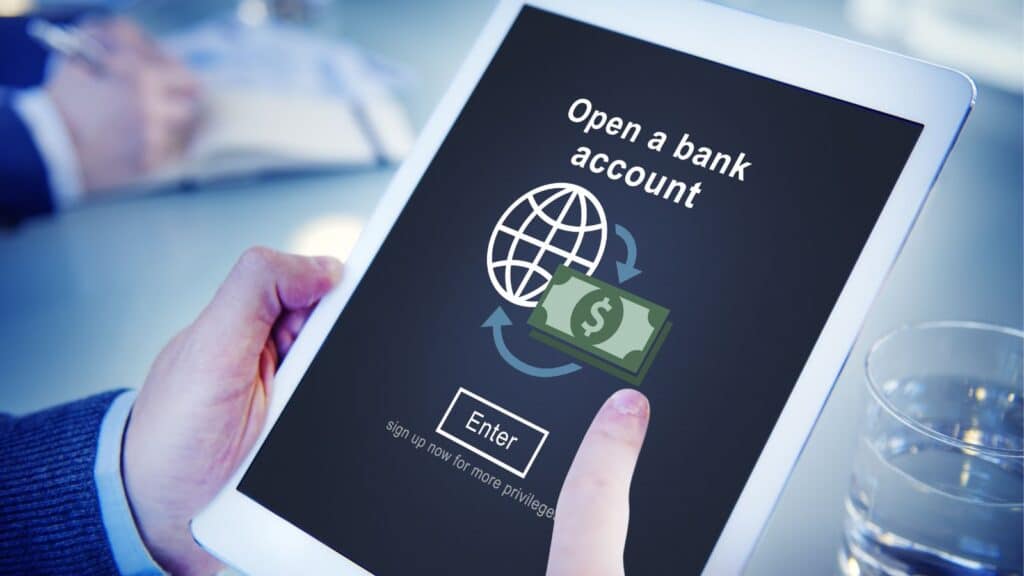
Online banking replaced convenient branch visits. Mobile deposits eliminated trips to banks. Digital tools handle tasks that required in-person visits. The shift to online services saved time and enabled choosing banks with better rates over convenient locations.
Branch proximity used to determine bank choice. Online banking eliminated that requirement. Choosing banks with best rates and lowest fees became possible. The convenience of physical branches became less important than account terms. Digital tools provide different convenience that costs less.
Entertainment Access

Library cards replaced convenient streaming service subscriptions. Free content replaced instant paid access. Waiting for holds became acceptable. The delayed gratification saved hundreds of dollars monthly on entertainment.
Streaming services provided instant access to unlimited content. That convenience came with subscription costs that accumulated quickly. Libraries offer the same content free with slight delays. The wait became an acceptable tradeoff for the eliminated costs. Convenience lost to value decisively.
Clothing Shopping

Thrift stores and consignment shops replaced convenient mall shopping. Finding items requires more time and effort. The hunt for good pieces takes patience. The savings justify the increased effort required.
Mall shopping provided convenience of seeing everything at once. Thrift shopping requires multiple visits and patience. The effort pays off through seventy to eighty percent savings. Quality pieces exist in secondhand markets for fraction of retail prices. Convenience became less important than cost. Those managing tight clothing budgets accept the extra effort.
Home and Car Maintenance

DIY repairs replaced convenient professional services. YouTube tutorials enabled home fixes. Oil changes happen in driveways. Home repairs get tackled personally. The learning curve and effort save significant money.
Professional services provided ultimate convenience. The labor costs became prohibitive. Learning basic maintenance and repair skills takes time. The ongoing savings justify the initial investment. Convenience through paid services gave way to self-sufficiency. The capability building provides lasting value.
Hair and Personal Care

Home hair color and cuts replaced salon convenience. At-home manicures became routine. Personal care shifted from professional services to DIY efforts. The quality gap narrowed while cost differences remained huge.
Salons provided professional results with no effort required. The costs became unsustainable for regular maintenance. Home alternatives require learning and time. The results improved with practice. Convenience through professional services lost to home efforts that cost far less.
Package Delivery Options

Standard shipping replaced expedited delivery. Two-day shipping became five to seven days. Waiting for packages became normal again. The patience saved delivery fees and premium shipping costs.
Fast shipping provided instant gratification. The fees and membership costs added up significantly. Slower shipping costs nothing and delivers eventually. The wait became acceptable. Immediate convenience stopped being worth the premium. Planning ahead enables using slow free shipping.
The Value Calculation Shifted

These changes share common characteristics. Convenience commanded premiums that became unacceptable. The extra effort required for value options became worthwhile investment. Time and energy traded for money made sense again.
People are changing what they care about when they spend. Cost now matters more than ease. Many are willing to put in extra effort to save money. This shift is not short term. It shows how financial pressure has changed everyday choices for good.
17 Things You’re Probably Overpaying for (Without Even Realizing)

Spending more than necessary is a silent money drain that sneaks into your budget and lingers for months—sometimes years. Overpaying for things like subscriptions you barely use or everyday purchases, small overcharges add up over time, taking away resources you could spend elsewhere. Here are 17 surprising things you may be wasting money on right now—without even realizing it. 17 Things You’re Probably Overpaying for (Without Even Realizing)