


Some purchases deliver instant satisfaction followed by lasting financial regret. They feel justified in the moment but create budget damage that takes months to repair. The emotional high of buying masks the true cost until credit card statements arrive and savings accounts look depleted.
Subscription Boxes and Services
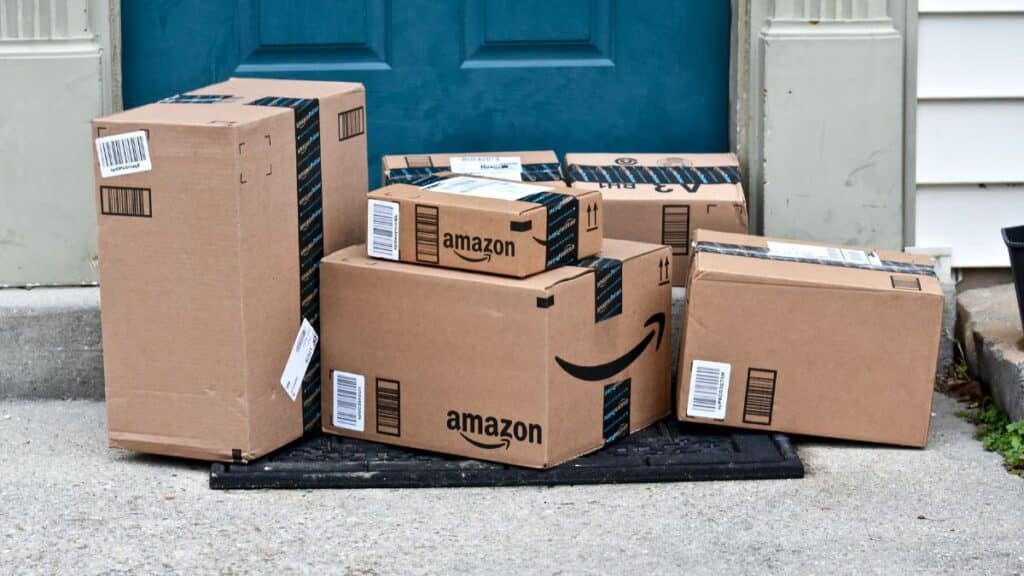
Subscription boxes promise curated convenience delivered to your door. They create recurring charges that pile up invisibly. One subscription seems manageable. Five or six create serious budget drain. The charges hit different dates making the total impact hard to track.
💸 Take Back Control of Your Finances in 2025 💸
Get Instant Access to our free mini course
5 DAYS TO A BETTER BUDGET
The excitement of receiving boxes wears off quickly. Products sit unused while charges continue. Canceling feels difficult because of sunk cost fallacy and fear of missing out. Companies design subscription models specifically to make cancellation harder than signing up.
Most people use only a fraction of what subscriptions provide. The perceived value exceeds actual value. Auditing all subscriptions and ruthlessly cutting unused ones typically saves $50 to $200 monthly without reducing quality of life.
Impulse Online Shopping

One-click purchasing removes friction from buying. That convenience destroys budgets. The dopamine hit of ordering something new feels good instantly. The regret arrives with the package. Online shopping turns browsing into buying without the natural pause that in-store shopping provides.
Free shipping thresholds encourage adding items to reach minimum purchase amounts. The savings from free shipping get erased by buying things you didn’t originally want. Sales notifications and targeted ads create artificial urgency that triggers impulsive purchases.
Removing saved payment information and deleting shopping apps creates helpful friction. The extra steps required to complete purchases provide time to reconsider. Many items in abandoned carts never get purchased once the initial impulse fades.
Eating Out When Tired

Restaurant meals after long workdays feel earned and necessary. They’re often the most expensive calories available. The convenience premium turns a $8 homemade meal into a $35 restaurant bill. Doing this several times weekly creates hundreds in monthly expenses that disappear without lasting benefit.
Tiredness impairs financial judgment. The immediate relief of not cooking overwhelms awareness of cost. Restaurant spending feels invisible because it’s not a single large purchase. The cumulative impact only becomes clear when reviewing monthly statements.
Meal planning and prep during less exhausted moments prevents this trap. Having easy options available reduces temptation to order out. Even choosing cheaper takeout over sit-down restaurants cuts costs significantly without eliminating the convenience.
Daily Coffee Shop Runs

That morning coffee ritual feels like a small treat. The cost adds up brutally fast. A $6 latte five days a week costs over $1,500 annually. Most people drastically underestimate how much their coffee habit actually costs because individual purchases seem insignificant.
The convenience and comfort of coffee shop visits create powerful habits. Breaking them feels like deprivation even though home brewing costs a fraction. The social aspect and break from routine make these purchases feel necessary rather than optional.
Cutting back doesn’t require elimination. Reducing coffee shop visits from daily to twice weekly saves over $1,000 yearly. That money could fund emergency savings or debt payoff instead of disappearing into a habit you barely notice.
Upgraded Phone Plans and Features

Phone companies excel at making upgrades seem essential. New phones release annually with features most people don’t need. Trading in perfectly functional devices for marginal improvements costs hundreds. Higher-tier plans promise benefits that go unused while costing substantially more monthly.
The payments feel small because they’re spread over time. A $30 monthly increase seems manageable. Over two years that’s $720 for features you might not use. Phone expenses creep upward as people accept each small increase without questioning necessity.
Most people use their phones for the same basic functions regardless of model. Keeping devices longer and choosing mid-tier plans saves thousands without reducing actual utility. The newest model rarely provides value proportional to its cost.
Gym Memberships Used Sporadically

Joining a gym feels like investing in health. For many people it becomes paying for guilt. Memberships get used heavily for a few weeks then sporadically or never. The monthly charge continues regardless of attendance. People keep memberships longer than they should because canceling feels like admitting failure.
The sunk cost fallacy intensifies with gym memberships. Previous months of payment create pressure to keep paying in hopes of eventually using it. That hope rarely materializes. Most people would save money paying per visit or working out at home.
Honest assessment of actual gym usage reveals whether membership makes financial sense. If you’re going less than twice weekly, you’re likely overpaying significantly. Free or cheaper alternatives often serve the same fitness goals without the recurring cost.
Sales and Clearance Splurges

Sales create artificial urgency that triggers overspending. The deal feels too good to pass up even when the item wasn’t needed. Buying something at 50% off that you wouldn’t have bought at full price isn’t saving money. It’s spending money you wouldn’t have otherwise spent.
Retailers use sales to move inventory while making customers feel smart. The psychological satisfaction of getting a deal overrides rational evaluation of necessity. Clearance sections become particularly dangerous because low prices justify purchases that serve no real purpose.
The test is simple. Would you buy this item at full price? If not, the sale price doesn’t make it a good purchase. Saving 40% on something unnecessary is still 60% more than not buying it at all.
Convenience Store Runs

Stopping for a few items at convenience stores seems harmless. The pricing makes these visits expensive. Items cost 30% to 100% more than grocery stores charge. A candy bar, drink, and snack totaling $8 at a convenience store costs $4 at a grocery store.
These visits happen during vulnerable moments. Hunger, thirst, or boredom trigger stops that feel necessary. The convenience justifies inflated prices. Frequency makes the damage worse. Daily convenience store visits can cost $150 to $300 monthly compared to planned grocery shopping.
Keeping water and snacks in the car eliminates most convenience store trips. Planning reduces the situations where convenience stores seem like the only option. The saved money adds up faster than the small purchases that created the expense.
Recognize the Pattern

These purchases share common traits. They provide immediate gratification. They seem too small to matter individually. They happen repeatedly without conscious decision-making. That combination destroys budgets while flying under the radar of normal spending awareness.
The emotional component makes these purchases particularly difficult to control. They’re tied to comfort, convenience, and self-care. Cutting them feels like punishment rather than smart financial management. Reframing the choice helps. It’s not about deprivation but about directing money toward actual priorities.
Tracking spending reveals the true cost of feel-good purchases. Most people are shocked when they see the cumulative impact. That awareness creates motivation for change. Small adjustments to spending patterns free up significant money without requiring major sacrifice or lifestyle changes.
10 Money Rules You Were Taught That No Longer Work Today

Money management advice that worked 20 or 30 years ago is outdated in today’s fast-moving economy. You’ve got to rethink how you save, spend, and invest if you want to stay ahead. Here are 10 old money rules that don’t cut it anymore. 10 Money Rules You Were Taught That No Longer Work Today