


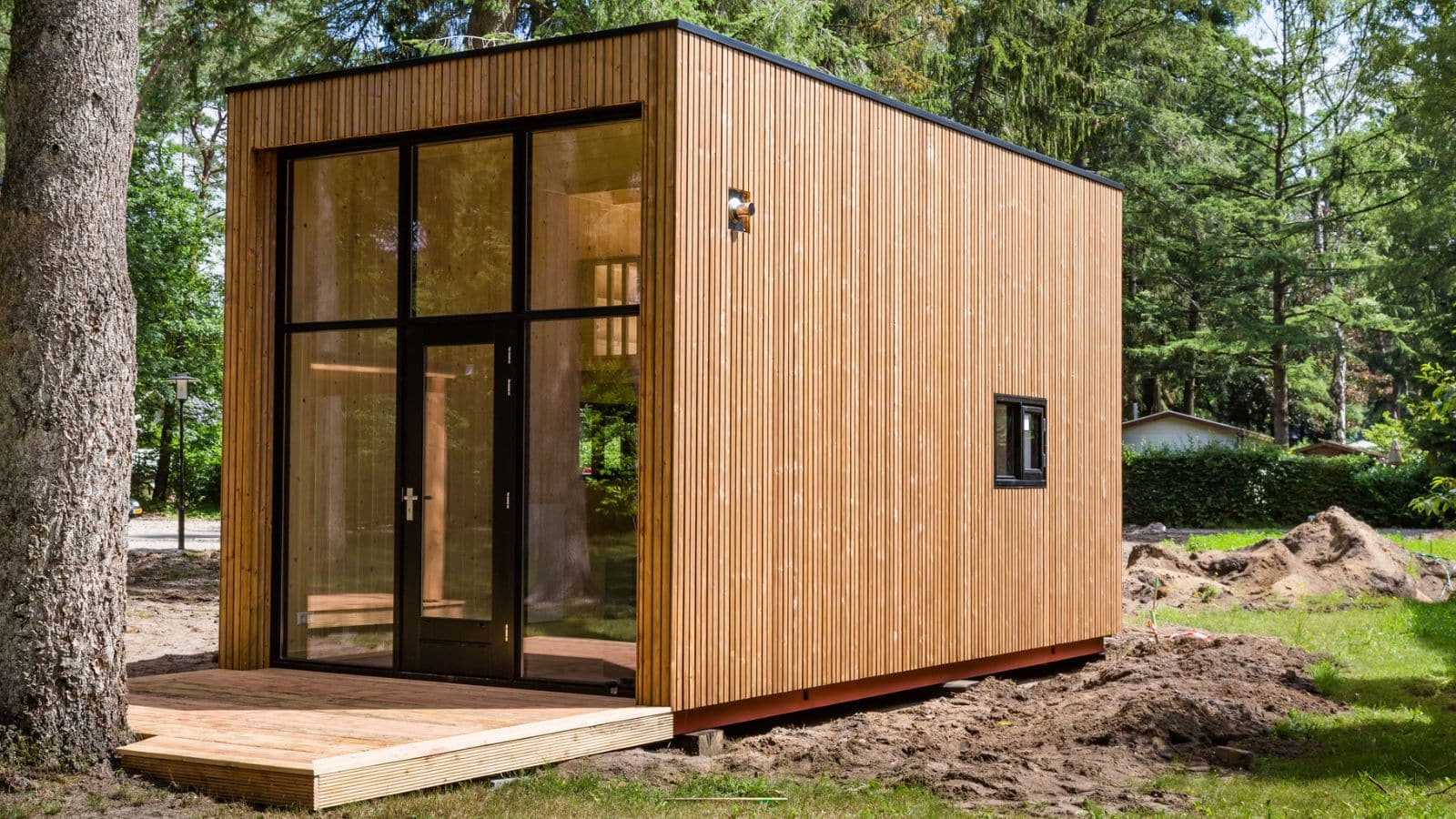
Living in small spaces requires strategic thinking rather than just minimalism. The right purchases transform cramped quarters into functional, comfortable homes. These thirteen investments maximize utility while creating visual spaciousness that makes square footage feel larger than actual measurements suggest.
Over-Door Organizers and Hooks
Over-door storage systems cost $15 to $50 per door. These organizers utilize otherwise wasted vertical space on door backs. The additions provide storage and organization without drilling holes or permanent installation.
💸 Take Back Control of Your Finances in 2025 💸
Get Instant Access to our free mini course
5 DAYS TO A BETTER BUDGET
Bathroom doors hold toiletries. Bedroom doors accommodate accessories. Closet doors organize shoes or cleaning supplies. The accumulated storage across multiple doors adds up substantially in aggregate.
Doors represent untapped storage potential in most homes. Simple hanging organizers convert blank vertical surfaces into functional storage. The space multiplication happens without consuming floor area or requiring construction.
Murphy Bed or Wall Bed System

Murphy beds can run $800 to $2,500 installed but recover entire rooms. A bedroom becomes an office, workout space, or living area during daytime hours. The transformation provides flexibility impossible with traditional beds consuming permanent floor space.
Modern murphy beds include integrated shelving, desks, or sofas. The multifunctional design eliminates choosing between bedroom and other uses. Studios and one-bedrooms gain the equivalent of an additional room through this single purchase.
The investment pays dividends in homes where every square foot carries premium costs. Reclaiming floor space daily rather than dedicating it permanently to sleeping creates livability in spaces that otherwise feel cramped.
Expandable Dining Table
Compact dining tables that expand for guests cost $300 to $800. Small daily footprints accommodate tight spaces while extension capabilities handle entertaining. The flexibility prevents choosing between functional daily dining and hosting capacity.
Tables that fold, slide, or lift provide surface area when needed then disappear when not. Some designs serve as console tables or desks in collapsed states. The multi-position functionality adapts to changing needs throughout the day.
Permanent large tables dominate small spaces making rooms feel crowded. Expandable options provide the same capacity when required without the constant space consumption. The adaptable furniture approach maximizes usability without sacrificing livability.
Vertical Storage Systems

Wall-mounted shelving, pegboards, and rail systems cost $100 to $400 depending on scale. These solutions utilize vertical space that typically sits empty while freeing valuable floor area. Reaching upward rather than outward fundamentally changes space efficiency.
Vertical storage keeps items accessible while minimizing visual clutter. Well-organized wall systems appear intentional rather than cramped. The vertical orientation draws eyes upward making ceilings feel higher and rooms more expansive.
Floor clutter makes spaces feel smaller regardless of actual size. Moving storage vertically creates openness at eye level where spatial perception matters most. The organizational approach transforms the same square footage into apparently larger space through better space utilization.
Large Mirrors Strategically Placed

Quality large mirrors can cost $100 to $500 but double perceived space through reflection. Positioning mirrors opposite windows reflects natural light throughout rooms. The brightness and reflected views create depth that combats claustrophobic feelings.
Mirrors placed at room ends extend sightlines making spaces appear longer. The visual trick effectively doubles dimensions from certain angles. The psychological impact of expanded views matters as much as actual square footage for comfortable living.
Small spaces without mirrors feel cave-like especially in units with limited windows. Strategic mirror placement transforms the same physical space into environments that feel open and light-filled. The investment in mirrors provides returns through improved livability rather than functional utility.
Nesting Tables and Stackable Furniture

Nesting coffee tables, side tables, and stools cost $150 to $400 for sets. The pieces separate when needed for surface area or seating then stack compactly when not in use. The flexibility accommodates varying needs without permanent space dedication.
Individual pieces serve daily functions while full sets handle entertaining. The modular approach prevents oversizing furniture for occasional maximum needs. Right-sizing for typical use while maintaining expansion capability optimizes space efficiency.
Fixed furniture sized for maximum capacity wastes space most of the time. Nesting designs provide equivalent functionality with dramatically reduced everyday footprint. The space savings prove substantial in homes where every square foot affects livability.
Ottoman with Storage
Storage ottomans cost $100 to $300 and serve triple duty. They provide seating, footrests, and concealed storage simultaneously. The multi-function design eliminates choosing between furniture types in space-limited rooms.
Blankets, books, electronics, and miscellaneous items disappear inside ottomans keeping surfaces clear. The hidden storage maintains tidy appearances essential for small spaces to feel comfortable rather than chaotic. Visible clutter makes confined areas feel smaller.
Single-purpose furniture becomes luxury in small homes. Every piece must justify its footprint through multiple uses. Storage ottomans exemplify the multi-functional approach necessary for comfortable small-space living.
Fold-Down Desk or Wall-Mounted Workspace

Wall-mounted desks that fold up cost $150 to $400. The workspace appears when needed then disappears completely freeing the area for other uses. Dedicated office space exists without permanently claiming square footage.
Modern fold-down desks include integrated storage for supplies and equipment. Everything needed for work stores compactly then deploys quickly. The system enables legitimate work-from-home setups in spaces too small for traditional offices.
Permanent desks in studio apartments create awkward furniture arrangements and constant visual clutter. Fold-down solutions provide equivalent functionality without spatial dominance. The workspace flexibility proves essential for remote work in compact living situations.
Under-Bed Storage Containers

Quality under-bed storage costs $50 to $150 for complete sets. This often-wasted space accommodates out-of-season clothing, extra bedding, and rarely-used items. Utilizing every available cubic foot becomes essential in space-constrained homes.
Rolling containers with lids keep items protected and accessible. The storage capacity rivals small closets while occupying space that otherwise sits empty. Proper containers prevent the under-bed area from becoming disorganized and unusable.
Small apartments and homes typically have inadequate built-in storage. Finding unused spaces like under beds adds storage capacity without consuming living areas. The hidden storage approach maintains uncluttered appearances crucial for comfortable small-space living.
Tension Rods for Flexible Dividers
Tension rods cost $15 to $40 and create flexible room divisions with curtains or panels. The temporary walls separate sleeping areas from living spaces or create privacy without permanent construction. The flexibility adapts to changing needs.
Curtain dividers soften spaces while providing functional separation. The visual break makes single rooms feel like multiple areas. Sound dampening improves when fabric panels separate zones within open layouts.
Studio apartments benefit enormously from flexible divisions. Creating distinct zones for different activities makes spaces feel more like multi-room homes. The affordable solution provides functionality expensive renovations would otherwise require.
Furniture Risers and Bed Lifts

Furniture risers cost $20 to $60 but add precious vertical storage. Raising beds, sofas, or dressers creates storage space underneath for bins, luggage, or flat items. The additional storage capacity emerges from otherwise unusable areas.
Higher beds provide significant under-bed storage without requiring special bed frames. The elevation makes accessing stored items easier than low-clearance spaces. The simple modification dramatically increases storage capacity.
Small homes run out of storage before running out of living space. Finding creative storage solutions prevents clutter from overwhelming limited square footage. Furniture risers represent minimal investment for substantial storage gains.
Compact Furniture at Proper Scale
Apartment-sized furniture costs similar to standard pieces but fits spaces appropriately. Sofas, tables, and chairs designed for small spaces provide equivalent functionality at reduced dimensions. The proper scale prevents overwhelming rooms with oversized furniture.
Furniture showrooms display pieces in large spaces making them appear smaller than reality. Standard sofas dominate small living rooms. Compact versions sized for actual spaces create better proportions and improved traffic flow.
Oversized furniture makes small rooms feel cramped regardless of quality or style. Right-sized pieces allow breathing room and movement. The appropriate scale fundamentally changes how spaces feel and function.
Folding Chairs and Collapsible Seating
Folding chairs cost $30 to $100 each for quality options. These provide guest seating without permanent space dedication. Storing chairs flat in closets or behind furniture keeps them accessible while invisible during daily life.
Permanent seating for maximum occupancy wastes space constantly for rare events. Collapsible solutions accommodate guests when needed without spatial penalties otherwise. The flexibility matches seating capacity to actual needs.
Small spaces cannot accommodate furniture for peak capacity. Folding options enable entertaining without daily crowding. The storage-and-deploy approach balances functionality with livability in space-constrained homes.
Strategic Rather Than Small

These purchases share an important principle. They don’t make small spaces larger but make limited square footage work harder and feel more comfortable. The investments focus on flexibility, vertical utilization, and multi-functionality rather than minimalism alone.
Living small successfully requires strategic thinking about every item and every square foot. The right purchases transform constraints into opportunities. Spaces feel larger when properly organized and efficiently furnished regardless of actual dimensions.
The goal isn’t accepting limitations but maximizing potential within them. Small living becomes comfortable and even desirable when approached strategically rather than as compromise. These investments prove that living well in small spaces depends more on smart choices than square footage.
This article first appeared on Cents + Purpose.