


A lot of purchases used to feel automatic. You bought them without much hesitation because they fit into routines that once worked or felt justified at the time. Lately, more people are slowing down and asking whether the value still matches the price, especially as everyday costs keep rising.
That pause changes the decision entirely. Thinking twice does not mean refusing to spend. It means being more deliberate about where money actually goes. Here are eleven purchases people now approach with more caution.
💸 Take Back Control of Your Finances in 2025 💸
Get Instant Access to our free mini course
5 DAYS TO A BETTER BUDGET
Fast Food Meals That Rival Restaurant Prices

Fast food used to feel like the affordable solution on busy days, especially when time mattered more than quality. You could grab a meal quickly and move on without thinking much about the cost. Over time, prices climbed while portions stayed the same, and the math stopped adding up.
Now, many people pause when they see the total at the drive-through. Paying nearly the same price as a sit-down restaurant changes expectations, especially when the experience feels rushed and forgettable. Cooking at home or choosing a local spot starts to feel like the better option. Convenience alone no longer makes the decision for you.
Streaming Services You Barely Use

Streaming subscriptions are easy to add because each one feels inexpensive on its own. Over time, they pile up quietly, and it becomes hard to remember what you are actually watching versus what you are just paying for. Scrolling replaces viewing more often than not.
People now notice those monthly charges when reviewing their statements. Canceling unused services feels surprisingly freeing, especially when you realize how little you miss them. Entertainment becomes something you choose intentionally instead of something that runs in the background. That awareness changes spending habits quickly.
Brand Name Groceries With No Clear Difference

Brand loyalty often sticks because it feels safe and familiar. Higher prices were long associated with better quality or taste, so questioning them did not feel necessary. As grocery bills rise, that assumption gets tested more often.
Many people try store brands and realize very little changes. The product works the same, tastes the same, and costs less. Paying extra for a label stops feeling automatic once you see the difference at checkout. Habit gives way to comparison.
Extended Warranties at Checkout

Extended warranties rely on pressure and fear in the moment. Standing at the register, it feels easier to agree than to imagine something breaking later. Most of the time, those plans go unused.
People now pause and ask whether the protection is actually worth it. Setting aside money for potential repairs feels more practical than paying upfront for peace of mind you may never need. Declining no longer feels risky once you have lived through a few purchases without issues. Confidence replaces impulse.
Subscription Boxes That Create More Clutter Than Value
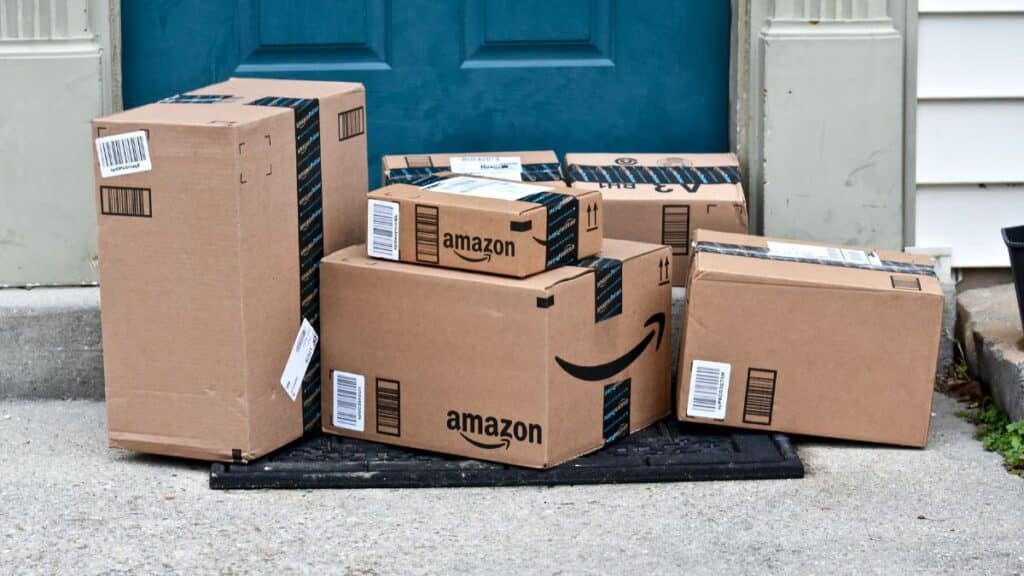
Subscription boxes promise convenience and discovery, especially when life feels busy. The first few deliveries feel exciting, but that feeling fades when items pile up unused. Boxes arrive faster than interest does.
People rethink whether surprise is worth the ongoing cost. Buying exactly what you want when you need it feels more satisfying. Canceling reduces clutter and spending at the same time. Control replaces novelty.
New Phones With Minor Upgrades

New phone releases happen often, and each one promises improvements. In reality, the differences from year to year feel small while prices continue to rise. Replacing a phone that works fine starts to feel unnecessary.
People hold onto devices longer and repair them when possible. Function matters more than having the newest model. Waiting saves money without much sacrifice. That pause feels practical instead of restrictive.
Daily Convenience Spending Out of Routine

Small daily purchases rarely feel like a problem in isolation. Coffee runs, snacks, and add-ons slip into routines easily, especially on busy days. Over time, those choices become automatic rather than enjoyable.
People now choose convenience more intentionally. Treats still happen, but they are planned instead of expected. Spending feels calmer when it aligns with actual enjoyment. That shift reduces guilt and waste.
Premium Versions of Basic Products

Premium options promise better results, smoother experiences, or higher quality. Often, the difference feels minimal once the product is actually used. The higher price becomes harder to justify.
People stick with standard versions that work just as well. Paying extra for marketing loses its appeal when results stay the same. Practicality guides decisions more than branding. Value becomes clearer with experience.
Gym Memberships That Don’t Match Real Life

Signing up for a gym often starts with good intentions and motivation. Schedules change, energy fades, and attendance drops while charges continue. The gap between intention and reality becomes obvious.
People rethink whether the membership fits their actual routine. Walking, home workouts, or flexible options feel more realistic. Canceling no longer feels like giving up. It feels like adjusting to real life.
Dining Out With Added Fees at the End

Dining out feels different when extra charges appear beyond menu prices. Service fees and add-ons inflate the final bill, which changes how the experience feels overall. Surprise costs dampen enjoyment.
People dine out more selectively now. Transparency matters when choosing where to spend. Fewer meals out feel more meaningful when expectations match reality. Thinking twice protects both budget and experience.
Trend-Driven Home and Lifestyle Items

Trends move quickly and encourage fast purchases. Items feel exciting in the moment, especially when everyone seems to have them. Interest often fades just as quickly. People pause before buying something tied to a trend. Waiting reveals whether it actually fits their life or space. Fewer impulse buys lead to less regret. Intention replaces pressure.
Thinking twice about purchases does not mean missing out. It means choosing what truly adds value to your life. When spending feels aligned, money becomes easier to manage. Awareness changes everything.
10 Sneaky Expenses Keeping You From Reaching Your Financial Goals

Managing money isn’t easy, and hidden costs can easily derail progress. It’s not just big-ticket purchases that hurt your savings; small, sneaky expenses often fly under the radar. Identifying and addressing these expenditures can dramatically improve your financial health. Here are ten common culprits that could be blocking your financial goals. 10 Sneaky Expenses Keeping You From Reaching Your Financial Goals