


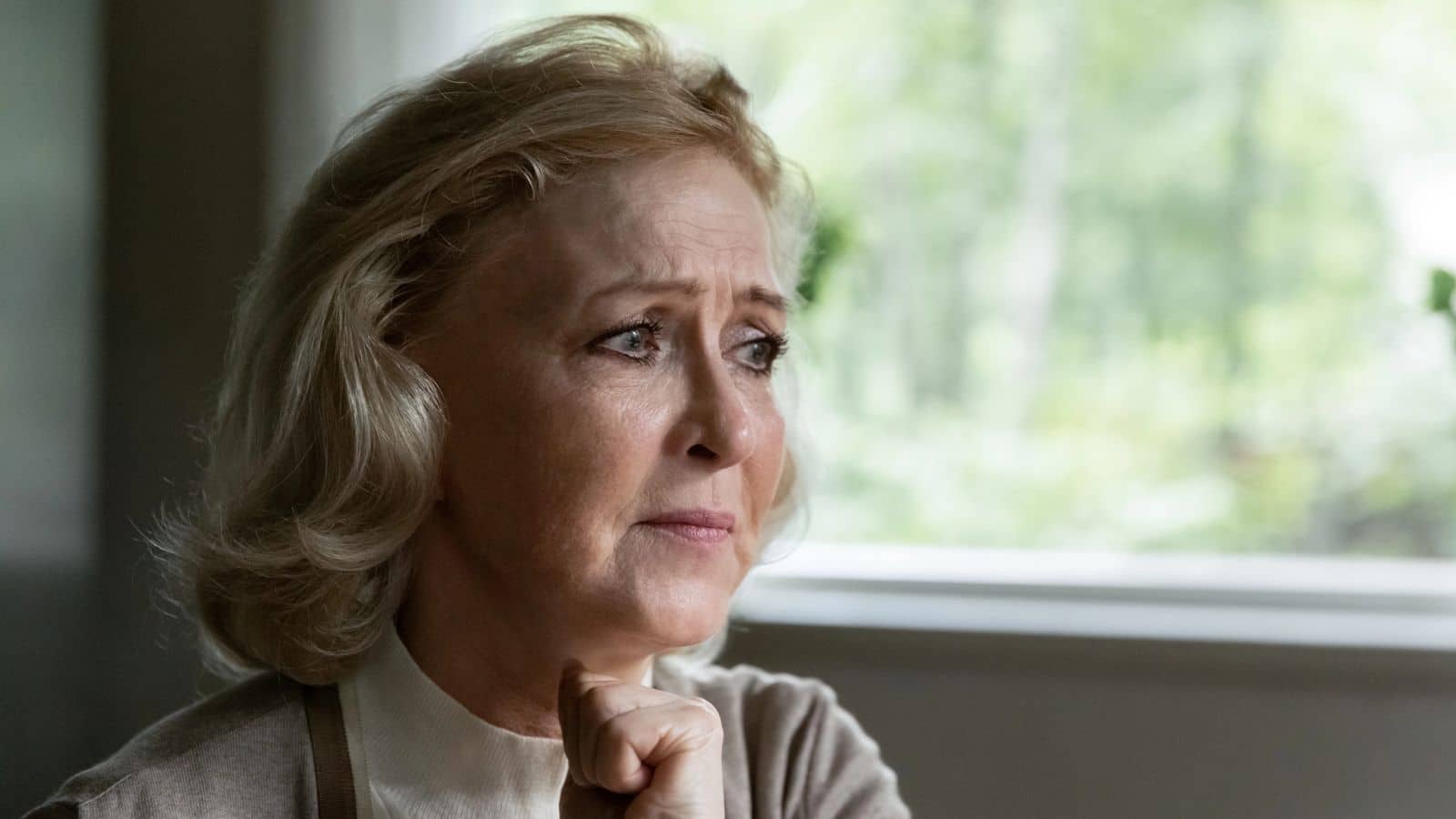
A mother of two adult children always planned to split her inheritance evenly between them. Lately, she’s been questioning whether that’s truly fair.
One of her children has lived a fairly typical life with a career and family. Her daughter, however, has been on disability for 13 years, can’t work, and faces ongoing medical bills, and her son has said he won’t help his sister once their mom is gone.
💸 Take Back Control of Your Finances in 2025 💸
Get Instant Access to our free mini course
5 DAYS TO A BETTER BUDGET
Two Adult Children, Two Different Paths
Her son has been able to build a stable life. He’s worked for years and has a family of his own.
Her daughter’s life has looked very different. Illness has kept her from working and building the same kind of financial security.
As a parent, she loves both of them equally. That’s why she’s struggling with how to divide what she leaves behind.
Thirteen Years Unable to Work
Her daughter has been receiving Social Security disability benefits for 13 years. During that time, she hasn’t been able to hold a job.
Not working for so long can make it hard to build savings, retirement funds, or other financial safety nets. Many people on disability live on limited incomes.
Those monthly benefits often cover only the basics. Unexpected expenses can quickly create financial strain.
Medical Bills That Keep Coming
Her daughter also has significant medical bills from her illness. Ongoing treatment can be expensive, even with assistance.
Doctor visits, prescriptions, equipment, and specialized care can add up quickly. For someone without a steady paycheck, those costs can feel overwhelming.
The mother worries about what will happen when she’s no longer around to help. That concern has made her rethink her plans.
Equal Shares as the Starting Plan
Her instinct has always been to leave both children the same amount. Splitting things equally seemed simple and fair.
Many parents choose equal inheritances to avoid conflict. It can also help children feel valued in the same way.
But she’s begun to wonder whether equal and fair are always the same thing. Her children’s needs are very different.
Fair Versus Equal
Her son has had the chance to earn a living, save money, and plan for his future. Her daughter hasn’t had those same opportunities.
Leaving more to her daughter could help cover medical expenses and everyday living costs. It could also give her more stability later in life.
At the same time, she doesn’t want her son to feel less important. She’s trying to balance fairness with her children’s very different circumstances.
Her Son’s Warning
Her son has told her he won’t help his sister after their mother dies. That’s made her decision feel even more urgent.
Without family support, her daughter may have to rely only on her own income and benefits. That could leave her vulnerable if expenses rise.
Knowing that has made her think more seriously about leaving extra money to the child who may need it most.
Protecting Benefits
An inheritance could also affect certain assistance programs. Some programs, especially those based on income or assets, have limits that could change eligibility.
Many families work with estate planners to set up special trusts for disabled loved ones. These trusts can help protect support while still providing extra financial help.
Planning ahead can make sure money is used in the most helpful way. It may also reduce stress and confusion for the family later on.
Deciding What Fairness Means
The mother is still deciding what to do. She wants to treat both children fairly, but she’s no longer sure that means giving them the same amount.
Her daughter’s illness, medical costs, and lack of family support have shifted how she sees the situation. She’s left wondering whether fairness means equal shares or making sure the child who’s struggled the most has enough to live on when she’s gone.
Featured on Cents + Purpose: