


When prices first started climbing, many households assumed the pressure would pass fairly quickly. Budgets stretched a little, but most people believed things would settle down before long. Because of that mindset, a lot of financial decisions continued as usual.
Now that inflation has lingered for years, some of those earlier choices look different in hindsight. Decisions that once felt reasonable can feel harder to justify after watching everyday costs rise across nearly every category. Many people are not blaming themselves for those choices, yet they are starting to rethink them.
💸 Take Back Control of Your Finances in 2025 💸
Get Instant Access to our free mini course
5 DAYS TO A BETTER BUDGET
Locking Into Expensive Car Payments
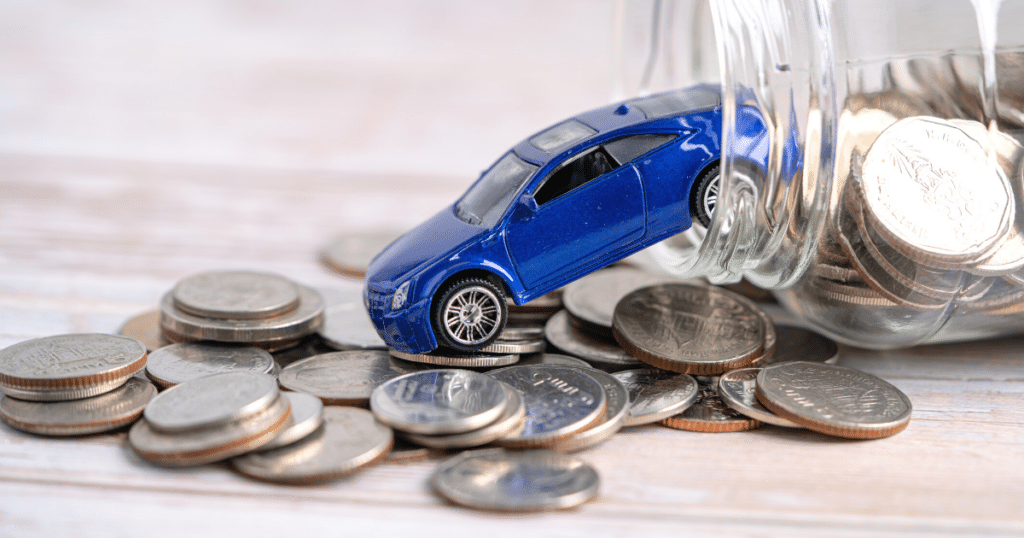
Vehicle prices rose sharply over the past several years, and many buyers signed loans during a time when options felt limited. At the moment, the decision often seemed practical because people needed reliable transportation.
Looking back, some drivers wish they had waited or chosen a less expensive vehicle. The combination of higher loan payments, insurance, and fuel costs can make a single car feel like a much larger financial commitment than expected.
Upgrading Homes at the Peak of Prices

During the housing boom, many homeowners rushed to upgrade to larger properties or more expensive neighborhoods. Low interest rates made the move seem manageable at the time.
After years of rising living costs, those larger mortgages now feel heavier for some households. A bigger home often brings higher taxes, insurance premiums, and maintenance costs, which can stretch budgets further than people originally planned.
Keeping Too Many Monthly Subscriptions
Subscription services expanded rapidly over the past decade. Streaming platforms, apps, memberships, and delivery services all promised convenience and entertainment.
Many households signed up without thinking too much about the long-term cost. Over time, those monthly charges stacked up, and some people now regret how easily those recurring expenses slipped into their budgets.
Spending Freely During Stimulus Periods

Periods of financial stimulus gave many households extra breathing room for a while. With more money available, some people loosened their spending habits and enjoyed purchases they had previously postponed.
Once inflation took hold and everyday costs increased, those earlier spending patterns began to look different. Some households now wish they had saved more of that extra money instead of treating it as temporary spending power.
Delaying Major Repairs
Homeowners sometimes postponed repairs when prices were rising quickly or when finances felt uncertain. Waiting for costs to settle down seemed like a reasonable strategy at the time.
Unfortunately, delayed maintenance can lead to larger problems later. Some homeowners now face higher repair bills than they might have if the issue had been handled earlier.
Relying Too Heavily on Credit

Credit cards helped many households bridge gaps during periods of rising expenses. When grocery bills, fuel costs, and housing payments increased, using credit often felt like the easiest short-term solution.
Over time, balances grew and interest charges followed. As inflation continued, some people began regretting how quickly those debts accumulated.
Assuming Prices Would Fall Back Soon
Perhaps the most common regret comes from the belief that inflation would fade quickly. Many households delayed adjusting their budgets because they expected prices to return to earlier levels.
After several years of higher costs, that assumption has proven less reliable than people hoped. Families are now making long-term adjustments rather than waiting for prices to return to what they once were.
Looking Ahead With More Caution

Regret around financial decisions does not mean people made reckless choices. Most of these decisions were shaped by the circumstances at the time, and many households simply did the best they could with the information they had.
What has changed is the perspective people bring to future decisions. After several years of inflation, many households are approaching spending with a little more caution and a stronger focus on long-term stability.