


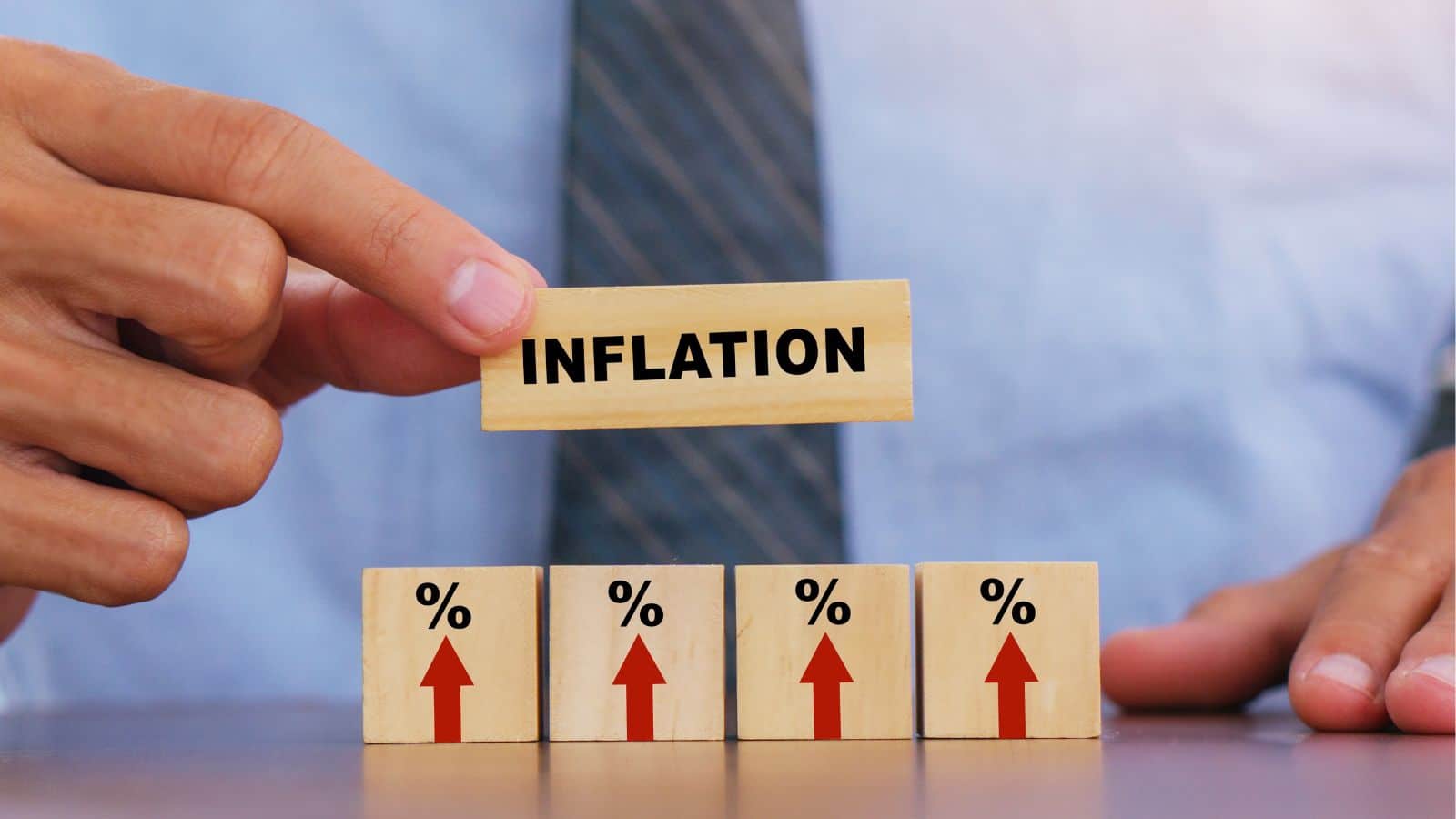
Inflation rarely shows up in one dramatic moment where everything suddenly feels different. Instead, it works its way into everyday life gradually, shifting expectations little by little until the things people once considered unusual start to feel routine.
You might not notice the change right away because each adjustment feels small on its own. Over time, though, those small adjustments start to add up, and what once seemed temporary begins to look more like the new normal. Here are nine ways inflation is quietly reshaping what people now accept as normal.
💸 Take Back Control of Your Finances in 2025 💸
Get Instant Access to our free mini course
5 DAYS TO A BETTER BUDGET
Higher Grocery Totals at Checkout

A grocery bill that once would have raised eyebrows now often feels like something people expect. Shoppers still notice the increase, but the surprise has started to fade as totals remain elevated week after week.
Instead of assuming the next trip will be cheaper, many people now plan their budgets around the expectation that groceries will remain expensive for the foreseeable future.
Smaller Portions and Packages

Many products have become slightly smaller over time while their prices stayed the same or increased. What once would have sparked frustration now often passes with less attention because shoppers have seen it happen repeatedly.
That gradual change has shifted expectations around how much value a package or portion actually contains.
Paying More for Convenience

Services that save time, like delivery, takeout, or subscription options, often carry higher costs than they did a few years ago. Even though people notice the difference, those services remain popular because they still fit into busy routines.
As a result, higher prices for convenience are starting to feel like part of everyday life.
Longer Delays Before Major Purchases

People are becoming more comfortable with postponing large purchases. Instead of assuming they’ll upgrade a car, appliance, or piece of furniture within a certain timeframe, they’re more likely to wait until it becomes absolutely necessary.
That shift reflects a growing awareness that replacing things immediately isn’t always practical.
Talking About Prices More Often

Conversations about rising prices have become common in everyday settings. Friends compare grocery bills, coworkers mention rent increases, and families discuss how much certain items cost now.
When these conversations become routine, they reinforce the idea that higher prices are something everyone is dealing with.
Adjusting Expectations for Dining Out

Going out to eat once felt like a regular activity for many households. As restaurant prices have increased, people have started adjusting how often they dine out or what they order when they do.
Even though the experience is still enjoyable, the expectations around frequency and spending have shifted.
Accepting That Prices Rarely Go Back Down

In the past, many people expected prices to settle back down after a temporary increase. Now, there’s a growing understanding that once prices rise, they often stay there.
That realization changes how people approach spending because they no longer assume costs will return to earlier levels.
Budgeting for Higher Everyday Costs

Budgets that once worked comfortably may now require adjustments. Many households have added extra room in their spending plans to account for higher prices across multiple categories.
Instead of treating those increases as temporary, they’re building them into their expectations.
Redefining What “Affordable” Means

Perhaps the biggest shift is how people define affordability. Items or experiences that once felt comfortably within reach may now require more planning.
That doesn’t necessarily mean people stop spending altogether. It means they’re recalibrating what feels realistic based on the prices they see around them.
The Slow Shift in Expectations

Inflation doesn’t just affect numbers on a receipt. It gradually reshapes how people think about spending, planning, and what feels normal in daily life.
As those expectations adjust, households begin making decisions based on the new reality rather than the one they remember from a few years ago.