


Housing used to feel like a foundation you could plan around. Once you figured out where you were going to live, everything else tended to fall into place from there. It gave you a sense of stability that made other decisions feel easier.
Now, that foundation doesn’t feel as steady for a lot of families. Costs have shifted in ways that affect more than just the monthly payment, and those changes are starting to influence decisions that go far beyond housing itself. Here are eight ways rising housing costs are quietly reshaping how families plan their lives.
💸 Take Back Control of Your Finances in 2025 💸
Get Instant Access to our free mini course
5 DAYS TO A BETTER BUDGET
Delaying Moves or Staying Put Longer Than Planned

Moving used to feel like a natural next step when your situation changed. Whether it was needing more space or wanting a different location, the decision felt more flexible.
Now, many families are choosing to stay where they are longer than they expected because moving comes with higher costs across the board. That delay can affect everything from commute times to overall lifestyle.
Choosing Smaller Homes Than Originally Expected
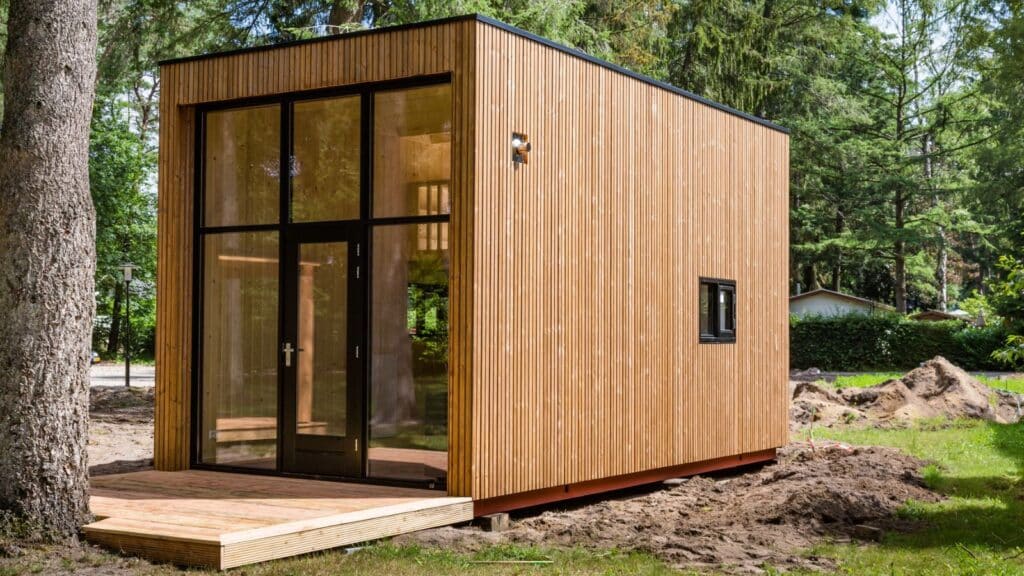
Expectations around space have shifted as housing costs have climbed. Families that once planned for larger homes are adjusting those plans to fit what feels more manageable.
That often means rethinking how space is used and what’s actually necessary. It’s not always the original vision, but it reflects what works financially right now.
Living Further From Work or School

Location decisions are becoming more tied to affordability than convenience. Families are moving further out to find housing that fits their budget, even if it adds time to daily routines.
That tradeoff affects more than just commuting. It can change how time is spent during the week and how connected people feel to certain areas.
Postponing Homeownership

Buying a home used to feel like a clear milestone for many families, something you worked toward within a certain timeframe.
Now, that timeline is less predictable. Some families are choosing to wait longer, either to save more or to see how the market changes, even if they originally planned to buy sooner.
Sharing Space With Extended Family

Living with extended family has become a more common option for some households. It’s a way to manage costs while still meeting housing needs.
That arrangement comes with its own adjustments, but it reflects a shift toward more flexible living situations as affordability becomes a bigger factor.
Putting Off Renovations and Upgrades

Plans to update or improve a home are often being pushed back as other costs take priority. What once felt like a manageable project can now feel like something that needs to wait.
Even smaller upgrades may get delayed, especially when the overall cost of maintaining a home has increased.
Adjusting Plans Around Family Size

Housing costs can influence decisions about family size in ways people don’t always expect. The cost of space, childcare, and related expenses all connect back to where and how you live.
For some families, that means rethinking timelines or expectations based on what feels financially sustainable.
Prioritizing Stability Over Ideal Situations

In the past, families may have focused more on finding the “right” home in terms of features or location. Now, stability often takes priority over ideal conditions.
That can mean staying in a home that isn’t perfect but provides consistency and predictability. It’s a shift toward what feels secure rather than what feels ideal.
Housing Shapes More Than Just Where You Live

When housing costs change, they don’t stay contained to one part of your budget. They ripple into decisions about time, work, family, and long-term plans.
As families adjust, those changes start to define what feels realistic and what needs to be reconsidered. It’s not always what was originally planned, but it reflects how priorities shift when one of the biggest expenses keeps evolving.
Featured on Cents + Purpose: