


Most people don’t wake up and decide to “cut back” in a big, obvious way. It usually happens more gradually, through small changes that feel practical in the moment. You adjust here, skip something there, and over time your spending starts to look different without you ever labeling it.
That shift tends to feel easier because it doesn’t come with the pressure of strict rules or major sacrifices. You’re still living your life, just making slightly different choices that happen to cost less. Here are nine areas where people are pulling back without really calling it that.
💸 Take Back Control of Your Finances in 2025 💸
Get Instant Access to our free mini course
5 DAYS TO A BETTER BUDGET
Dining Out Less Often

Instead of completely giving up restaurants or takeout, people are spacing it out more than they used to. What used to be a few times a week might turn into once a week or even less, and it happens naturally without much planning.
It still feels like a treat, but not something that shows up automatically. That small change often makes a bigger difference than expected once it becomes part of your routine.
Letting Subscriptions Expire

Rather than going through every subscription at once, people are paying more attention as renewals come up. If something hasn’t been used much, it’s easier to let it go instead of automatically renewing.
It doesn’t feel like a big decision, but over time, fewer recurring charges start showing up. That alone can free up more room in your budget.
Choosing Store Brands More Often

Switching to store brands doesn’t feel like a dramatic change, especially when the quality is similar. It’s often a quiet decision made while shopping, not something you overthink.
As it becomes more consistent, the savings add up across multiple categories. You still get what you need, just at a lower overall cost.
Skipping Upgrades and Replacements

Instead of replacing things right away or upgrading to newer versions, people are using what they already have for longer. If something still works, there’s less urgency to swap it out.
That shift doesn’t feel restrictive. It feels more like getting full use out of what you already paid for, which changes how often you’re spending on replacements.
Driving Less or Combining Trips

People are becoming more intentional about when and how often they drive. Errands get combined, unnecessary trips get skipped, and there’s a little more planning involved.
It doesn’t feel like a major adjustment day to day, but it reduces gas spending and wear on your vehicle over time. Those small choices add up.
Scaling Back on Convenience
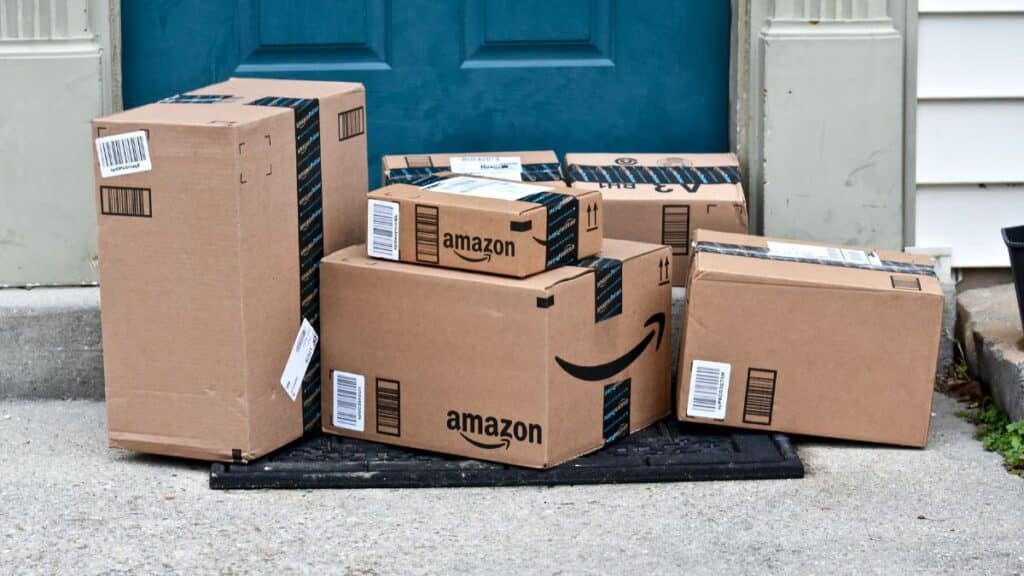
Convenience spending doesn’t disappear, but it becomes more selective. Instead of defaulting to delivery, expedited shipping, or paid services every time, people are choosing those options more carefully.
You still use them when they make sense, but not automatically. That slight hesitation changes how often those extra costs show up.
Being More Selective With Social Plans

Social spending tends to shift without much announcement. People still see friends and go out, but they’re more selective about what they say yes to.
Plans that don’t feel worth the cost get skipped more easily. It’s not about avoiding people. It’s about being more intentional with how often you spend in those situations.
Buying Fewer “Just in Case” Items

It’s common to pick up extra items in case you might need them later. Over time, that habit can lead to spending on things that never get used.
People are starting to buy those items less often and wait until there’s a clear need. That change feels simple, but it cuts out a lot of unnecessary spending.
Paying More Attention to the Total

One of the biggest shifts is simply noticing the total more than before. Instead of focusing on individual prices, people are paying attention to what everything adds up to.
That awareness naturally leads to small adjustments in the moment. You don’t have to force yourself to cut back when you’re already thinking about the bigger picture.
Small Changes Still Move the Needle

These changes don’t feel extreme, which is why they’re easier to stick with. You’re not overhauling your life or cutting out everything you enjoy.
You’re making small decisions that align better with how you want to spend your money now. Over time, those choices add up in a way that feels more manageable and more in your control.
Featured on Cents + Purpose: