



It’s easy to fall into the mindset that certain expenses are just part of life and there’s nothing you can do about them. Prices go up, bills arrive, and after a while it starts to feel like you’re just reacting instead of making choices. When that feeling sticks, you stop questioning things altogether.
The reality is that not every expense is fully controllable, but a lot of them aren’t as fixed as they seem either. The issue is that the control usually sits in small adjustments, not dramatic changes, and those are easy to overlook when you’re busy or overwhelmed.
💸 Take Back Control of Your Finances in 2025 💸
Get Instant Access to our free mini course
5 DAYS TO A BETTER BUDGET
Here are nine expenses people often treat as untouchable, even though there’s usually more flexibility than they think.
Groceries

Grocery bills are one of the easiest places to feel stuck, especially when prices keep rising and you still need to feed yourself or your family. It can feel like no matter what you do, the total at checkout keeps climbing.
What often gets missed is how much small decisions inside the store affect that number. Shopping without a plan, grabbing extras out of habit, or sticking to the same brands without checking prices can quietly push the total higher. Even adjusting a few of those patterns can shift your monthly spending more than you’d expect.
Cell Phone Bills

Phone bills tend to grow slowly over time, which makes them feel normal even when they’re higher than they need to be. You upgrade your device, add a feature, or bundle something in, and before long the monthly cost feels locked in.
The hesitation usually comes from not wanting to deal with switching providers or reviewing plans. Once you take the time to actually compare options or remove what you don’t use, it becomes clear that the number wasn’t as fixed as it felt.
Insurance Premiums

Insurance is one of those categories people set up once and then forget about, especially because it feels important and not worth risking. When the premium increases, it’s frustrating, but most people still renew without looking into alternatives.
There’s often more room here than people assume. Different providers, updated coverage needs, or adjusted deductibles can all change the cost. The challenge is that it requires a bit of effort upfront, so it gets pushed off even when the frustration is there.
Subscriptions and Memberships

Subscriptions have a way of blending into the background because each one seems small and manageable. A few dollars here and there doesn’t feel like something that needs attention.
The problem shows up when you actually add them together. What feels like a handful of small charges can easily turn into a significant monthly expense. Most people don’t cancel because it feels inconvenient or they think they might use the service later, which keeps the cycle going.
Dining Out

Eating out often gets treated like something that just happens, especially when schedules are packed or energy is low at the end of the day. It feels tied to real life, not something you can easily control.
The control usually comes from frequency, not elimination. Even shifting how often you rely on takeout or restaurants can make a noticeable difference over time. The habit feels fixed, but it’s often more flexible than it seems once you start paying attention.
Utility Bills

Utilities can feel completely outside your control, especially when rates increase or seasonal changes drive costs higher. It’s easy to assume the bill is what it is.
While you can’t control everything, your usage still plays a role. Small adjustments in how you heat, cool, or use electricity can add up across months. It’s not about extreme changes. It’s about noticing patterns and making gradual shifts that reduce waste.
Car Expenses

Owning a car comes with a mix of costs that feel unavoidable, from gas to maintenance to insurance. Once those expenses are part of your routine, they start to feel fixed.
There’s usually more flexibility here than people expect. How often you drive, how well you maintain your car, and how you plan trips all influence the total. Even small changes in driving habits can reduce ongoing costs without requiring a major lifestyle shift.
Entertainment Spending

Entertainment is often treated as necessary for balance, which makes it harder to question. You want to relax, have fun, and enjoy your time, so the spending feels justified.
The piece that gets overlooked is how often those expenses happen. Cutting back doesn’t mean removing enjoyment. It usually means being more intentional about when and how you spend, which can lower the total without making life feel restrictive.
Convenience Fees
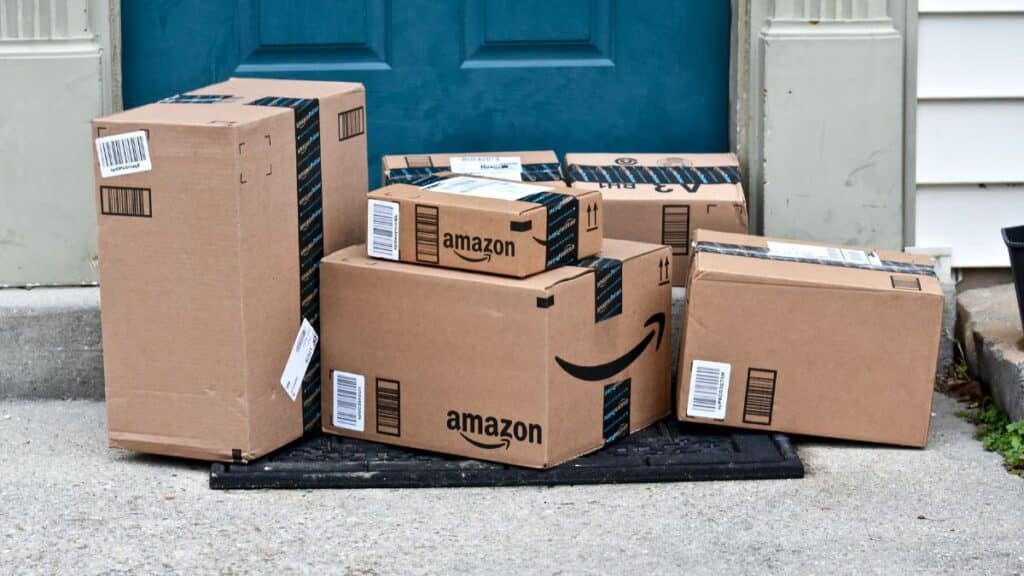
Convenience has become so normal that the extra cost attached to it barely registers anymore. Delivery fees, service charges, and expedited shipping all feel like small trade-offs for saving time.
The issue is how often those trade-offs happen. When convenience becomes the default instead of the exception, the fees stack up quickly. Choosing to plan ahead even part of the time can shift how much you spend without giving up convenience completely.
Control Starts With Awareness

Feeling like you have no control over your expenses often comes from not looking closely at them. When everything blends together, it’s hard to see where adjustments are even possible.
Once you start breaking things down and noticing patterns, you usually find more flexibility than you expected. You don’t need to change everything at once. Even a few intentional shifts can move you out of that powerless feeling and back into a place where your money decisions feel like your own.
10 Sneaky Expenses Keeping You From Reaching Your Financial Goals

Managing money isn’t easy, and hidden costs can easily derail progress. It’s not just big-ticket purchases that hurt your savings; small, sneaky expenses often fly under the radar. Identifying and addressing these expenditures can dramatically improve your financial health. Here are ten common culprits that could be blocking your financial goals. 10 Sneaky Expenses Keeping You From Reaching Your Financial Goals