



Convenience often starts as a helpful solution during busy or overwhelming seasons. Over time, those shortcuts become habits that feel necessary, even when the cost starts to quietly squeeze everything else. What makes convenience spending tricky is that it rarely feels irresponsible in the moment. Here are eight ways convenience quietly costs more than most people realize, even when it feels justified.
Relying on Food Delivery Instead of Cooking

Ordering food saves time and energy, especially after long days. It feels like a reasonable tradeoff when cooking feels exhausting or unrealistic.
💸 Take Back Control of Your Finances in 2025 💸
Get Instant Access to our free mini course
5 DAYS TO A BETTER BUDGET
The cost creeps in through delivery fees, service charges, tips, and higher menu prices. What starts as an occasional fallback often turns into a regular expense that eats away at flexibility without delivering the relief people expect.
Paying for Subscriptions to Avoid Minor Effort

Subscriptions often promise ease, entertainment, or motivation with minimal commitment. Signing up feels easier than searching for alternatives or doing things manually.
The problem shows up when subscriptions pile up unnoticed. People keep paying because canceling feels annoying, even when they barely use the service anymore.
Using Ride Services Instead of Planning Ahead

Ride services feel like a stress-free solution when parking, timing, or logistics feel complicated. The convenience is immediate and removes friction.
Over time, the cost adds up far beyond what public transit or driving would have required. The habit sticks because it feels easier than adjusting routines.
Choosing Convenience Stores for Everyday Purchases

Convenience stores live up to their name. They are quick, accessible, and remove the need for planning.
The prices are significantly higher for basic items. People pay more repeatedly because stopping elsewhere feels like too much effort in the moment.
Paying Extra for Speed on Online Orders
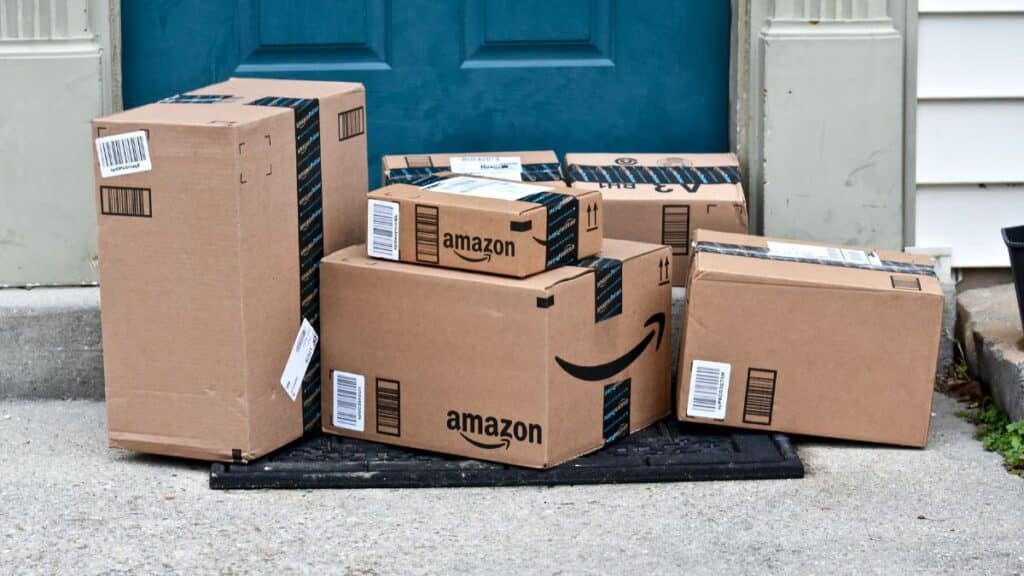
Fast shipping feels like a small upgrade. Waiting a few extra days feels inconvenient once speed becomes the norm.
Those upgrade fees quietly add up. People often pay without noticing how often they choose speed over savings, especially when the purchase is not urgent.
Using Buy Now Pay Later for Quick Decisions

Buy now pay later options remove hesitation at checkout. They make purchases feel manageable by spreading the cost.
The convenience masks how many payments are already in motion. People underestimate the strain until multiple plans overlap and flexibility disappears.
Outsourcing Small Tasks That Add Up

Paying for cleaning, organizing, or minor errands can feel like buying back time. The relief feels worth it at first.
When these services become routine, the cost becomes permanent. What was meant to reduce stress often creates new financial pressure instead.
Avoiding Price Comparisons to Save Time

Skipping comparison shopping feels efficient. Clicking the first option avoids mental effort and decision fatigue.
The cost shows up over time through consistently higher prices. Convenience replaces awareness, and small overpayments quietly become a pattern.
Convenience is not the problem on its own. The issue is when ease becomes automatic and the cost never gets questioned. Taking a closer look often reveals that convenience feels best when it is intentional, not constant.
Featured on Cents + Purpose: