


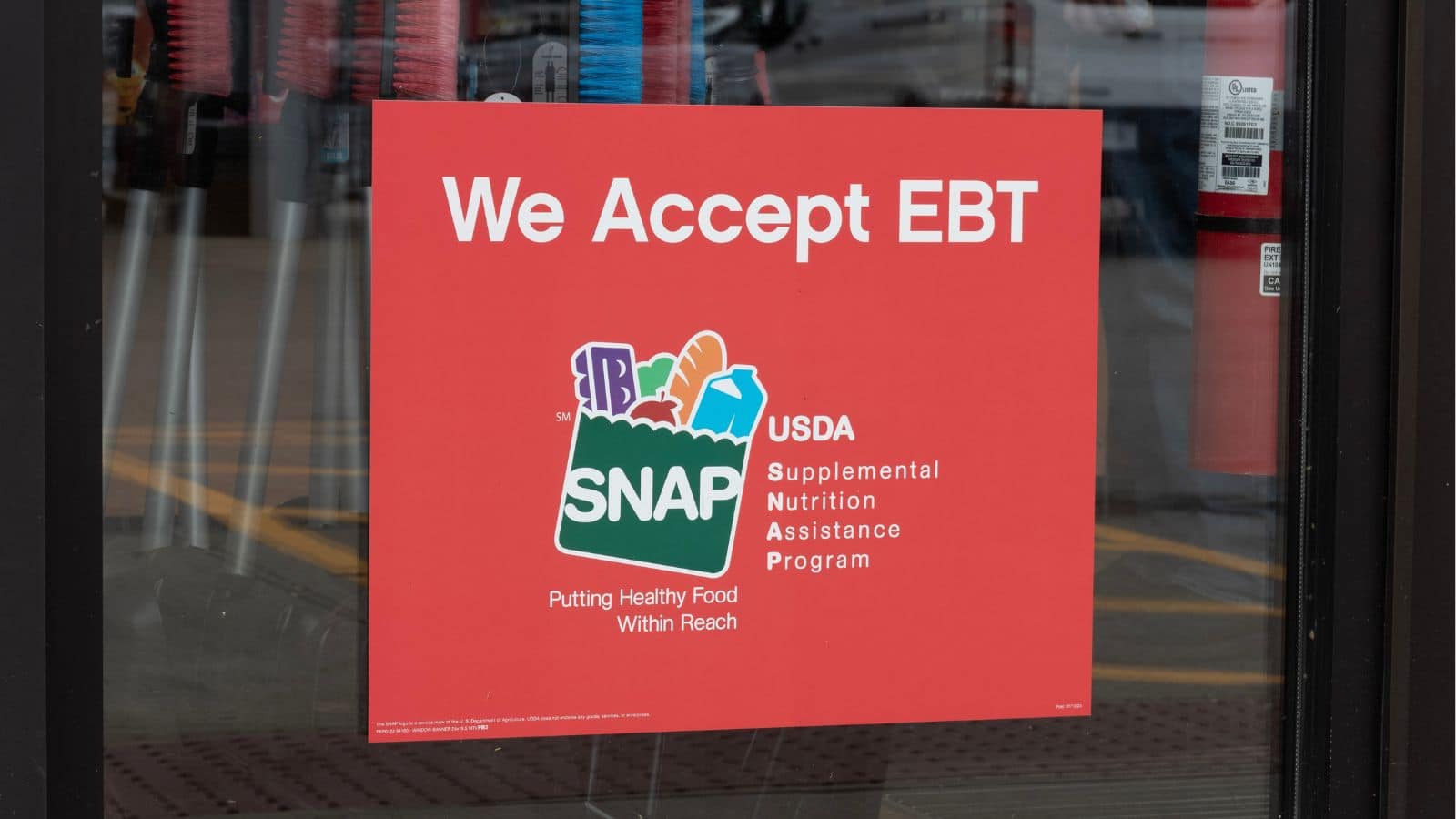
New work requirements for the Supplemental Nutrition Assistance Program, known as SNAP, have started taking effect in additional states under a new law supported by President Donald Trump. The changes, which are already shaping how low-income Americans qualify for food assistance, aim to move more adults into employment or job training as a condition of eligibility.
The updated rules have now been implemented in states such as Indiana, Kentucky, Missouri, Nebraska, South Carolina, South Dakota, Tennessee, and Utah, with others expected to follow. The policy shift is part of legislation that expanded work requirements for many adults who do not have young children or disabilities. Reporting on this rollout explains how these changes are affecting both states and SNAP participants in the early weeks of implementation.
💸 Take Back Control of Your Finances in 2025 💸
Get Instant Access to our free mini course
5 DAYS TO A BETTER BUDGET
The New Requirements
Under the revised rules, adult SNAP recipients between the ages of 18 and 49 who are not disabled, pregnant, or responsible for a dependent child must work, participate in a work program, or be in job training for at least 80 hours per month to remain eligible for benefits. This expands on prior requirements that applied mainly to younger adults without dependents.
The intent behind the new standards, as expressed by supporters, is to encourage self-sufficiency and reduce long-term reliance on government assistance. Individuals who fail to meet the work or training expectations risk losing their SNAP benefits, unless they qualify for an exemption or demonstrate a valid reason for non-participation.
States Move at Different Speeds
Not every state has adopted the new requirements at the same pace. Some have begun enforcement immediately, while others are phasing in the rules or waiting for administrative systems to catch up. Officials in states that have started the new regime report both logistical challenges and early signs of increased job training participation.
Critics of the law argue that tightening eligibility in this way could lead to millions of people losing access to basic food support. They also warn that job markets in certain regions may not have enough available positions or training opportunities to absorb all affected SNAP recipients.
What This Means for SNAP Participants
For many SNAP participants, the changes introduce new urgency around employment and job skills. Those who already have jobs or are actively seeking work may find the transition manageable. Others may face pressure to enroll in job training programs or meet reporting requirements to prove they are fulfilling work thresholds.
Supporters of the policy say that linking assistance to work or training helps individuals move toward long-term financial stability. They view the expanded requirements as a nudge for people to build skills and connect with employers, potentially improving long-term earning prospects.
Broader Policy Debate
The changes also reflect a broader policy debate about the role of government benefits and how they should interact with labor markets. Proponents argue that work requirements help prevent long-term dependency and align with goals of economic participation. Opponents contend that such requirements can penalize individuals facing barriers to stable work, such as transportation issues, caregiving responsibilities, or uneven job availability.
The implementation of the expanded SNAP work rules is likely to continue drawing attention from lawmakers, advocacy groups, and economists as data emerges on participation rates, job placement, and food security outcomes.
Looking Ahead
As more states apply the work requirements and others prepare to adopt them, advocates on both sides will be watching closely. The coming months will reveal how many participants are affected, how states manage compliance, and whether the policy meets its goals of boosting employment and reducing reliance on food assistance.
For families navigating SNAP eligibility, this is a moment of adjustment. Understanding the new expectations and available exemptions will be key for maintaining access to a program that millions of Americans depend on for basic nourishment.
Featured on Cents + Purpose: