


Self-care is supposed to support well-being, but spending tied to comfort can quietly drift into habits that create more stress than relief. When money leaves your account in the name of coping, the short-term emotional lift often masks long-term consequences that show up later.
This is not about denying yourself joy. It is about noticing when relief becomes routine and routine becomes expensive. These are ten ways people unintentionally sabotage their finances while telling themselves it counts as self-care.
💸 Take Back Control of Your Finances in 2025 💸
Get Instant Access to our free mini course
5 DAYS TO A BETTER BUDGET
Treating Frequent Takeout as Emotional Relief

Ordering food feels like a break when energy is low or the day feels overwhelming. The convenience provides instant comfort, especially when cooking feels like one more thing to manage.
Over time, the habit turns into a default rather than a treat, and the cost becomes hard to ignore once statements add everything together. What started as support during stressful moments quietly becomes a recurring expense that adds pressure instead of easing it.
Justifying Impulse Shopping as Stress Management

Buying something new can feel like a reset button after a rough day. The excitement provides a temporary mood lift that makes the purchase feel helpful rather than indulgent.
The relief fades quickly, while the spending sticks around. When impulse purchases become the go-to coping strategy, they often leave behind clutter, regret, and tighter budgets that make stress worse.
Upgrading Subscriptions for Comfort and Convenience

Upgrading plans promises fewer ads, better features, or faster access, which feels like a reasonable way to improve daily life. Each upgrade seems small and easy to justify on its own.
Stacked together, those upgrades quietly raise monthly costs without delivering proportional benefits. Comfort turns expensive when improvements are incremental but recurring.
Using Travel as an Escape Without a Plan

Trips and getaways can genuinely restore energy, especially when burnout sets in. Booking travel feels like investing in mental health when everything else feels heavy.
Problems arise when travel becomes reactive rather than planned. Without clear boundaries, costs pile up quickly and return home brings financial stress that cancels out the emotional benefits.
Paying for Convenience to Avoid Discomfort
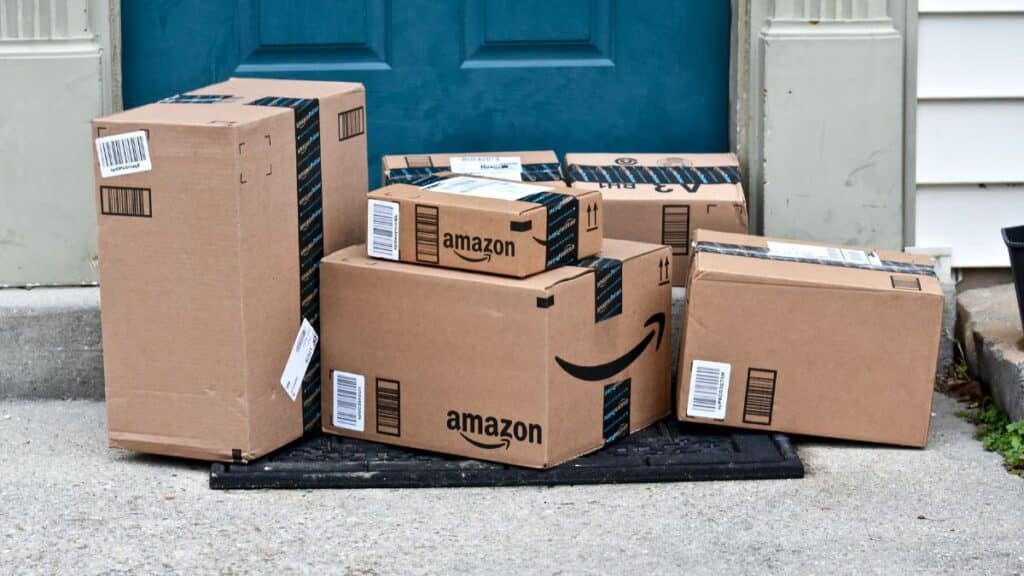
Delivery services, expedited shipping, and paid shortcuts save time and reduce friction, which makes them feel supportive during busy seasons. Convenience feels like care when life feels overwhelming.
The cost shows up when those choices become automatic. Paying repeatedly to avoid minor discomfort often creates bigger financial discomfort down the line.
Calling Retail Therapy a Reward System

Rewards can motivate progress, but tying them too closely to spending creates a cycle that is hard to break. Buying something after a tough week feels earned.
When spending becomes the primary reward, finances take the hit. The pattern shifts focus away from sustainable forms of care that do not rely on opening your wallet.
Ignoring Budgets in the Name of Mental Health

Skipping budget check-ins can feel protective when numbers cause anxiety. Avoidance feels kinder than confronting reality during stressful periods.
Unfortunately, avoidance often increases anxiety over time. Without visibility, small issues grow quietly, making future check-ins feel even harder and more emotionally charged.
Treating Upgrades as Necessary Self-Respect

Upgrading clothing, technology, or home items can feel tied to confidence and self-worth. The belief that you deserve better can blur into constant upgrading.
When upgrades happen frequently, the cost outpaces the benefit. Self-respect gets tangled with spending, even though confidence does not require constant replacement.
Using Credit to Smooth Emotional Ups and Downs

Credit cards make it easy to say yes when emotions run high. The distance between purchase and payment makes spending feel less real in the moment.
Interest brings everything back into focus later. Using credit as emotional padding often creates longer-lasting stress than the situation that triggered the spending.
Framing Every Treat as Non-Negotiable

Treating yourself matters, but when every want becomes framed as essential, boundaries disappear. The language of self-care removes friction from decisions that deserve more thought.
Without limits, treats stop feeling special and start feeling expected. Financial strain grows while the emotional benefit shrinks, leaving less room for care that actually helps.
Self-care should support stability, not undermine it. When spending consistently creates more pressure than relief, it stops serving its purpose. Noticing the difference allows care to feel restorative without quietly damaging your financial footing.
9 Simple Mind Tricks to Actually Enjoy Spending Less

Learning to spend less doesn’t have to feel like deprivation. It’s possible to make it an exciting challenge rather than a struggle. These practical mind tricks turn saving money into a lifestyle shift you’ll not just accept but actually enjoy. 9 Simple Mind Tricks to Actually Enjoy Spending Less