



Most people feel the frustration before they even finish checking out. Things that used to feel optional now show up as expectations, often without much warning. Costs keep getting layered on, and it leaves you wondering when basic services turned into premium add-ons.
This isn’t about refusing to spend money or trying to cut corners. It’s about feeling worn down by charges that keep showing up in everyday life. These are twelve things Americans are sick of being expected to pay for.
💸 Take Back Control of Your Finances in 2025 💸
Get Instant Access to our free mini course
5 DAYS TO A BETTER BUDGET
Extra Fees at Restaurants

You look at the menu, decide what you want, and assume the price listed is what you’ll pay. When the bill arrives, extra charges appear for things like service fees or staff support, even though nothing was clearly explained upfront. It forces you to slow down and scan the receipt instead of wrapping up the meal on a good note.
You’re already paying higher menu prices than you used to, and you’re likely tipping on top of that. Being asked to cover additional fees feels unnecessary when they weren’t part of the decision-making process. Most people would rather see honest pricing upfront than feel surprised at the end. It’s the lack of clarity that makes this so frustrating.
Tipping for Everything

Tipping used to feel straightforward. You tipped when someone provided a clear service, and you moved on. Now tip screens appear for coffee pickups, counter orders, and even self-checkout kiosks, often before any interaction really happens.
You want to support workers, but the expectation feels constant. It puts you in an awkward position where saying no feels uncomfortable, even when service is minimal. Over time, that pressure adds up. What once felt optional now feels mandatory, and that shift leaves people irritated.
Paying for Checked Bags

Travel already requires planning and flexibility. Paying more just to bring your belongings feels unreasonable, so many people do their best to avoid paying for additional bags. That means you have to be strategic about how you pack instead of bringing what you actually want for your trip.
You end up choosing outfits based on space instead of comfort or weather. Souvenirs become a problem before you even leave home. The entire process makes flying feel less accessible than it used to. What should feel simple turns into another obstacle.
Subscriptions for Basic Features

More products now come with ongoing fees attached. Things you assumed were included suddenly require a monthly payment to access. Ownership starts to feel temporary when features disappear without continued payment.
Subscriptions add up faster than most people expect. Canceling them takes time and attention, which makes it easy for unused charges to stick around. You end up paying just to maintain normal use. That constant drain becomes exhausting over time.
Healthcare Administrative Fees

Healthcare bills rarely reflect only the care you received. Administrative charges, facility fees, and paperwork costs show up without much explanation. Even routine visits come with long statements that are hard to understand.
You already budget for premiums, copays, and deductibles. Seeing extra fees layered on feels overwhelming. Figuring out what you owe takes effort and patience. Healthcare should feel supportive, not like another financial puzzle.
Shipping Fees for Online Orders
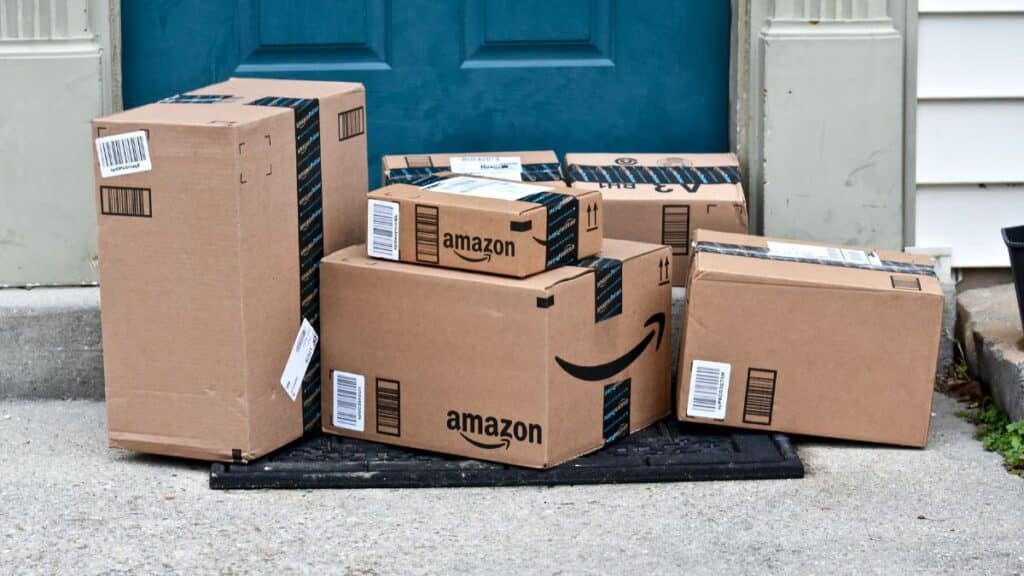
Online shopping once felt like a way to save time and money. Now shipping fees often wipe out any savings you expected. Free shipping thresholds push you to spend more than you planned just to avoid an extra charge.
Waiting longer does not always reduce the cost. Faster delivery costs even more. You end up paying for convenience that used to come standard. That shift makes online shopping less appealing.
App Add-Ons and In-App Purchases

You download an app expecting it to handle a basic task. Soon, you realize the most useful features sit behind a paywall. Upgrade prompts appear regularly, even when you’re trying to complete something simple.
Free versions feel limited on purpose. Monthly fees creep into your budget one app at a time. Paying just to use something normally gets old quickly. The experience feels more frustrating than helpful.
Event Convenience Fees

Buying tickets online adds layers of extra charges. Convenience fees, processing fees, and delivery fees inflate the final price before you even notice. None of it feels convenient when you see the total.
You complete the purchase in minutes and still pay extra for the privilege. Fees sometimes come close to the ticket price itself. Attending events starts to feel unnecessarily expensive. The excitement fades before the event even arrives.
School Fees for Basic Education

Public education still comes with plenty of out-of-pocket costs. Activity fees, supply lists, and technology charges add up quickly for families. Many parents budget for things they assumed were already covered.
Back-to-school season brings stress instead of excitement. Costs arrive all at once and are hard to avoid. Education should feel accessible, not overwhelming. Families feel stretched every year.
Cable and Internet Equipment Rentals

Monthly equipment rental fees add up over time. Modems and routers often cost more to rent long-term than to buy outright. Many people don’t realize they have other options.
Bills stay high without much explanation. Returning equipment becomes another task to manage. Paying indefinitely for basic hardware feels outdated. Frustration builds with every statement.
Banking Fees

Banking fees show up in everyday situations. Minimum balance requirements, overdraft charges, and maintenance fees catch people off guard. Accessing your own money should feel simple.
These fees often hit when money is already tight. Small missteps turn into expensive penalties. Banking should support stability. Instead, it adds pressure at the worst times.
Convenience Charges for Everyday Services

Paying bills online sometimes includes a processing fee. Booking appointments comes with service charges. Convenience often carries a price tag attached. You end up paying to save time. That tradeoff feels unfair when the service is basic. Everyday tasks shouldn’t come with penalties. These charges wear people down.
These expectations add up in ways that feel exhausting. You’re not imagining the pressure or the frustration. Costs keep shifting onto consumers with little choice involved. Wanting fairness and clarity isn’t unreasonable.
10 Money Rules You Were Taught That No Longer Work Today

Money management advice that worked 20 or 30 years ago is outdated in today’s fast-moving economy. You’ve got to rethink how you save, spend, and invest if you want to stay ahead. Here are 10 old money rules that don’t cut it anymore. 10 Money Rules You Were Taught That No Longer Work Today