


Spending habits have shifted as people get more selective about where their money goes. Purchases that once felt normal now feel easy to question. These are the items many people are choosing to leave behind as they focus on value, simplicity, and less financial stress.
Multiple Streaming Subscriptions at Once

Streaming services used to feel cheap and endless. Now, juggling several subscriptions feels unnecessary. People notice they only watch a few shows at a time, yet pay for access to everything. Rotating one service at a time makes more sense.
💸 Take Back Control of Your Finances in 2025 💸
Get Instant Access to our free mini course
5 DAYS TO A BETTER BUDGET
Entertainment stays enjoyable without the clutter of unused options. Canceling extras brings instant monthly savings and less mental noise. Most people do not miss what they rarely used.
Daily Coffee Shop Runs

Grabbing coffee out every day adds up faster than expected. Many people realize the habit was more about routine than enjoyment. Making coffee at home saves money without sacrificing comfort. The experience becomes calmer and more intentional. Coffee still happens. The expense just drops. This small shift often frees up money for things that matter more.
Extended Warranties on Small Electronics
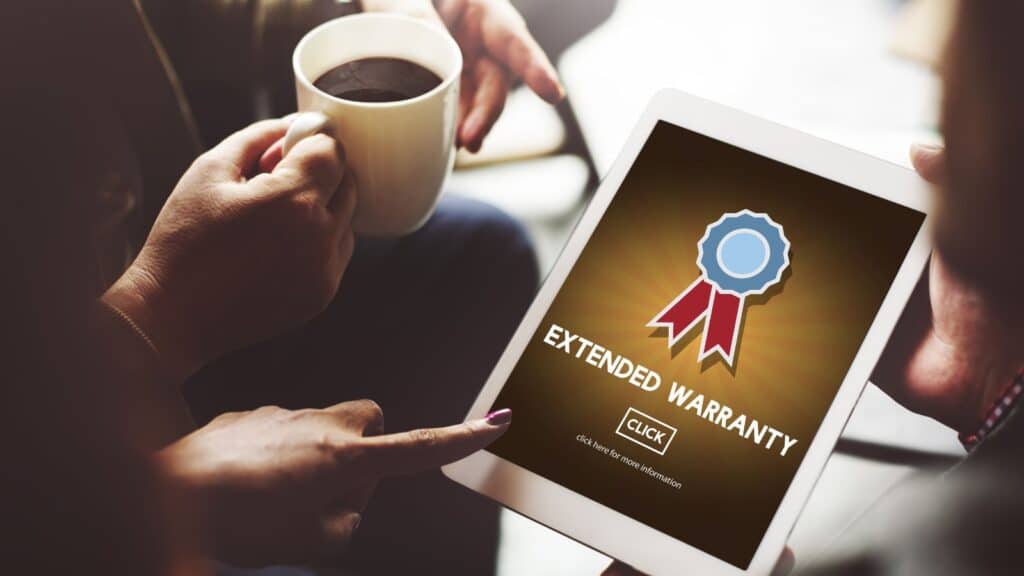
Extended warranties sound reassuring, but many people never use them. Devices either fail early under manufacturer coverage or last long enough to outlive the plan. The added cost rarely delivers real value. People are choosing to skip these offers and keep the money instead. That cash often proves more useful than protection that never gets used.
Trend-Based Clothing Buys

Buying clothes tied to fast trends leads to regret. Items feel exciting briefly, then sit unused. People are ditching trend chasing in favor of basics they wear often. Fewer purchases feel better than closets full of barely worn items. Comfort and fit matter more than what is popular right now. Spending slows naturally when clothes earn their place through use.
Subscription Boxes That Create Clutter

Subscription boxes promise convenience and surprise. Over time, they deliver clutter and guilt. Items pile up faster than they get used. People cancel once the novelty fades. Buying items intentionally feels better than receiving things on autopilot. Canceling these subscriptions reduces spending and frees up space at the same time.
Brand Name Household Products

Many shoppers are ditching brand loyalty for household basics. Cleaning supplies, paper goods, and pantry staples often work the same across brands. Paying extra for packaging or marketing feels unnecessary now. Store brands offer similar performance at lower prices. This change lowers grocery bills without affecting daily routines.
Upgrading Phones Before Necessary

Phone upgrades used to feel automatic. Now people keep devices longer. Current phones handle daily needs just fine. New features rarely justify the cost. Skipping upgrades saves hundreds without any real downside. People feel more in control when spending slows, and choices feel deliberate instead of habitual.
Convenience App Fees

Delivery fees, service charges, and added tips push simple purchases into expensive territory. People are choosing pickup, cooking at home, or planning ahead instead. Convenience still exists, just with boundaries. Avoiding these fees reduces spending without changing what gets eaten or used. The savings show up quickly.
Decorative Items Without a Purpose

Impulse decor purchases often lose appeal fast. People are ditching decorative items that do not serve a clear role. Homes feel calmer with fewer objects. Buying less decor also reduces the urge to constantly refresh spaces. The focus shifts to function and comfort over filling empty spots.
Buying New When Used Works Fine

People are rethinking the need to buy new. Furniture, tools, and hobby items often work just as well secondhand. Buying used saves money and reduces waste. Many find better quality pieces this way. Choosing used feels practical instead of limiting. Spending stretches further when new is no longer the default.
Letting Go Feels Better Than Expected

Ditching unnecessary purchases creates relief. Spending becomes lighter and more intentional. These choices reduce clutter, stress, and financial pressure at the same time. When money supports real needs instead of habits, life feels simpler and steadier.
11 Things People Overspend on Just To Impress Others

We’ve all been there—tempted to spend money on things that make us look good. But sometimes, the urge to show off takes over common sense. Here are 11 common expenses people splurge on just to turn heads (spoiler: they’re rarely worth the cost). 11 Things People Overspend on Just To Impress Others