


Some spending cuts create unexpected benefits beyond savings. You eliminate expenses and discover your life actually improves. These reductions bring relief rather than deprivation. The changes people feared turned out to enhance the quality of life.
Canceling Cable Television

You cut cable, expecting to miss it, but felt liberated instead. The $120 monthly savings mattered less than eliminating mindless channel surfing. You read more, spend time on hobbies, and choose entertainment intentionally.
💸 Take Back Control of Your Finances in 2025 💸
Get Instant Access to our free mini course
5 DAYS TO A BETTER BUDGET
Cable kept you passive, consuming whatever was on. Cutting it forced deliberate choices about how you spend time. You watch less overall but enjoy content more. The background noise disappears, improving the home atmosphere.
People report better sleep without falling asleep to television. Families interact more without default TV time. The spending cut eliminated a bad habit while saving $1,400 yearly. Life quality improved alongside finances.
Quitting Daily Coffee Shop Runs

You stopped buying $6 coffee drinks daily and gained morning time. Making coffee at home takes three minutes versus 15-minute coffee shop detours. You arrive at work less stressed and $2,000 richer yearly.
The ritual felt essential until you broke it. Home coffee tastes equally good without the wait and expense. You realized the habit created stress through time pressure and costs.
Morning routines became calmer. You control coffee strength and timing. The spending cut improved mornings while dramatically reducing expenses. Nobody misses the coffee shop chaos.
Eliminating Subscription Box Services
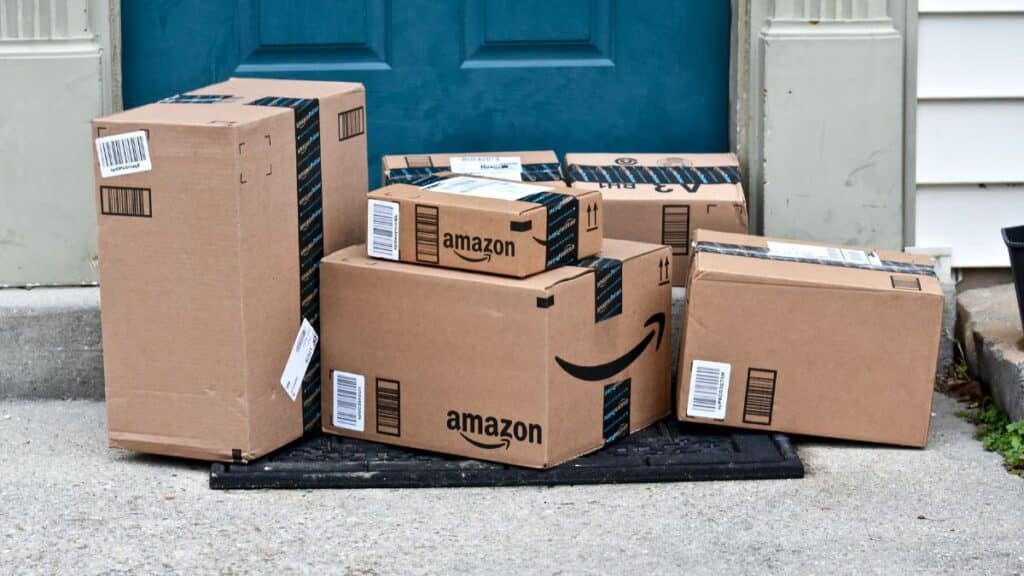
You cancelled beauty boxes, snack subscriptions, and monthly deliveries. The clutter of unwanted products disappeared. You buy only items you actually need, saving money and space.
Subscription boxes created an obligation to use products you didn’t choose. Canceling them freed you from guilt about unused items piling up. Your home feels less cluttered and overwhelming.
The $50 to $150 monthly savings matter,s but the mental clarity matters more. You make intentional purchases instead of receiving random items. The spending cut simplified life while improving finances.
Stopping Impulse Online Shopping

You deleted shopping apps and stopped browsing retail sites. The impulse purchases ended, saving $300 to $500 monthly. Your home has less clutter, and you appreciate what you own.
Online shopping filled boredom with purchases you didn’t need. Breaking the habit revealed how much money went to items that sat unused. You found better ways to occupy time.
The constant arrival of packages stopped. You buy what you need deliberately rather than scrolling and clicking. Life feels calmer without perpetual consumption. The spending cut reduced stress and waste.
Reducing Restaurant Dining Frequency

You started cooking at home most nights, reserving restaurants for special occasions. The $400 to $600 monthly savings bought better groceries. You eat healthier and enjoy restaurant meals more when they’re rare.
Constant dining out made it routine and unspecial. Cooking at home improves your skills and diet. You control ingredients and portions better than restaurants allow.
Family time increased through cooking together. Meals feel more intentional and appreciated. The spending cut improved health, skills, and relationships while dramatically reducing costs.
Downsizing to a Smaller Home

You moved from 2,000 square feet to 1,200 square feet. The smaller mortgage, lower utilities, and less maintenance freed time and money. You don’t miss the unused space.
Large homes require constant upkeep and higher expenses. A smaller space means less to clean, heat, and maintain. You use every room rather than having wasted areas.
The financial relief outweighs any space loss. Utility bills dropped 40%. Maintenance time decreased substantially. Life simplified through downsizing. The spending cut improved daily living while building savings.
Buying Used Instead of New

You switched to buying secondhand clothes, furniture, and items. The quality often exceeds new purchases at a fraction of the cost. Thrifting became an enjoyable hobby rather than a sacrifice.
New items lose value immediately. Used purchases save 60% to 80% for equal quality. You find unique pieces impossible to get in retail. The treasure hunt aspect makes shopping fun.
Environmental benefits align with financial savings. You waste less and consume thoughtfully. The spending cut feels good ethically and practically. Life improved through better purchases at lower costs.
Eliminating Gym Membership

You cancelled your unused gym membership and started home workouts. The $60 monthly savings bought quality equipment you actually use. You exercise more consistently without commute and crowds.
Gym memberships create guilt when unused. Home exercise eliminates barriers and excuses. You work out on your schedule in a comfortable environment. Consistency improved dramatically.
Outdoor activities replaced treadmill time. You discovered free parks and trails. Fitness improved while costs disappeared. The spending cut enhanced health outcomes while saving money.
Better Than Expected

These cuts shared a common pattern. The anticipated loss never materialized. Life improved in unexpected ways beyond financial savings. You discovered spending sustained habits that didn’t serve you.
The fear of cutting these expenses turned out to be unfounded. Quality of life increased through simpler, more intentional living. You don’t feel deprived. You feel liberated from unnecessary consumption.
The lesson is that not all spending enhances life. Some expenses create stress, clutter, and obligation. Cutting them reveals better ways to live. The improvements last long after initial adjustments.
8 Ridiculous Myths About Spending Money You Still Believe

Most of us have grown up hearing all sorts of advice about money. Some of it’s helpful, but a lot of it? Just plain wrong. While these myths sound convincing, believing them could hold you back from making smart choices with your hard-earned cash. Here are eight common money myths and the truth you need to know. 8 Ridiculous Myths About Spending Money You Still Believe