



Certain purchases that once made perfect sense now feel impractical. You question the logic of buying things that seemed normal before. Alternatives emerged, or circumstances changed, making these items hard to justify. The shift from practical to questionable happened gradually.
New Cars With Five to Seven Year Loans

You can’t justify buying new cars requiring $500 to $800 monthly payments for five to seven years. The debt burden feels impractical when reliable used cars cost half as much. Financing vehicles for longer than you’ll own them makes no sense.
💸 Take Back Control of Your Finances in 2025 💸
Get Instant Access to our free mini course
5 DAYS TO A BETTER BUDGET
New cars lose 20% to 30% of value immediately. You’re paying interest on rapid depreciation. The practical choice is buying three-year-old vehicles for 50% off, letting someone else absorb the depreciation hit.
Seven-year car loans mean you’re underwater for years. The impracticality of perpetual car debt outweighsthe new car appeal. Used vehicles serve transportation needs without financial burden.
Large Homes in Expensive Areas

You struggle to justify buying 3,000 square foot homes costing $600,000 in expensive cities. Smaller homes in affordable areas or rentals feel more practical. The trade-off of massive debt for space stopped making sense.
Big houses require big mortgages, insurance, taxes, and maintenance. You’re paying $4,000 monthly for space you don’t use. Downsizing or relocating provides a better quality of life with less financial stress.
The American dream of big suburban homes feels impractical given the current economics. You prioritize financial flexibility over square footage. Large homes in expensive markets represent poor practical value.
Premium Cable Packages
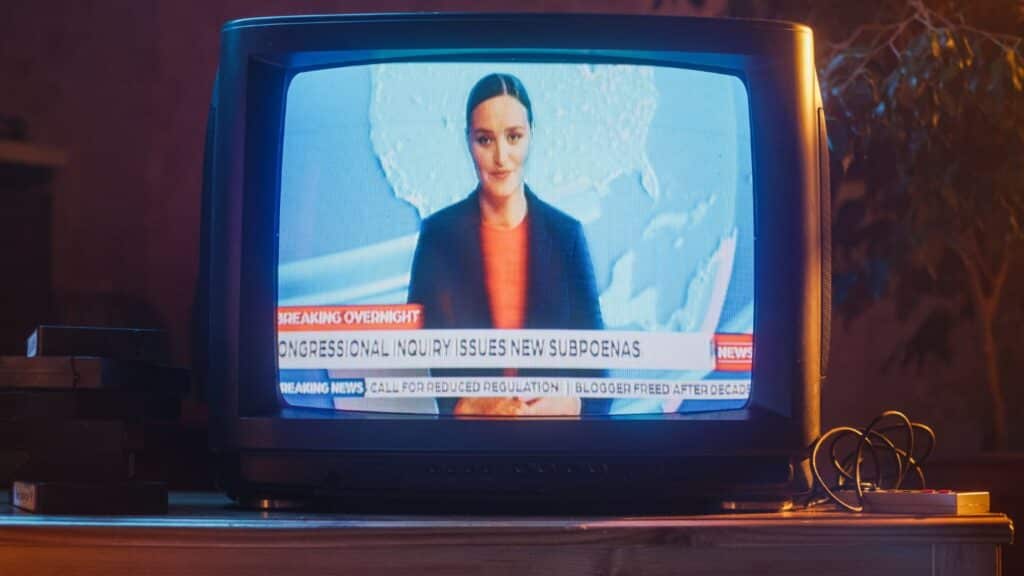
You can’t defend $150 monthly cable bills when streaming offers better content for $30. Cable packages feel impractical compared to modern alternatives. Paying for 200 channels to watch 10 makes no logical sense.
Streaming services provide on-demand content without contracts or equipment rentals. You watch what you want when you want for a fraction of cable costs. Cable’s practical advantage disappeared completely.
The only thing keeping cable alive is sports. Even that shifted to streaming options. Premium cable packages represent terrible practical value in the streaming era.
Expensive Gym Memberships

You question $60 to $100 monthly gym memberships when home equipment and outdoor exercise work equally well. Gym practicality depends on consistent use, which most people don’t maintain. Paying for access you use twice monthly feels wasteful.
Home workout equipment costs $200 to $500 one-time. YouTube provides free training. Parks offer free outdoor exercise. Gym memberships made sense before these alternatives became viable.
Gyms provide community and motivation for regular users. For inconsistent attendance, they’re impractical expenses. You evaluate actual usage before committing to recurring fitness costs.
Daily Coffee Shop Purchases

You can’t justify $6 daily for coffee drinks totaling $2,000 yearly. Home brewing makes identical drinks for 90% less. The practical math doesn’t support habitual coffee shop spending.
Coffee shops provide atmosphere and convenience. But not $2,000 worth annually. You make weekday coffee at home, reserving shops for occasional treats. The daily habit feels financially impractical.
Quality home coffee equipment costs $100 to $300 one-time. The investment pays for itself in weeks. Daily coffee shop runs represent one ofthe least practical regular expenses.
Brand New Furniture

You struggle to justify buying new furniture at retail prices when secondhand options cost 70% less. Quality used furniture serves equally well at a fraction of the cost. Paying full price feels impractical.
Facebook Marketplace, estate sales, and consignment shops offer excellent furniture cheap. You find solid wood pieces for less than particle board furniture costs new. The practical choice is buying used.
New furniture makes sense for specific needs. But buying everything new when used options exist feels wasteful. You furnish homes practically through secondhand shopping.
Single-Use Kitchen Appliances

You can’t defend buying specialized appliances used once or twice yearly. Bread makers, waffle irons, and pasta machines clutter counters while basic tools handle these tasks. The impracticality of single-purpose gadgets became obvious.
Kitchen gadgets seem useful until you own them. Then they sit unused, taking up space. You realized versatile basic tools beat specialized appliances for practical cooking.
The instinct to buy tools for specific tasks fights against storage limits and actual use patterns. Practical kitchen setups involve fewer, better quality items rather than many specialized ones.
Luxury Brand Clothing for Everyday Wear

You question spending $200 on designer t-shirts for regular use. The practical difference between $20 and $200 shirts is minimal. Luxury clothing for daily wear feels impractical compared to affordable quality basics.
Designer labels provide status but not proportional value. You wear clothes until they’re worn out, regardless of brand. Practical clothing budgets focus on durability and fit over logos.
Luxury items for special occasions make sense. For everyday wear, they’re impractical expenses. You buy quality basics at reasonable prices instead of premium brands.
Eating Out Multiple Times Weekly

You can’t justify spending $400 to $800 monthly on eating restaurant meals. Home cooking provides better nutrition for a quarter of the cost. Regular restaurant dining feels impractical given price increases.
Restaurants used to offer convenience and value. Current pricing makes frequent dining out a luxury expense. You cook at home, reserving restaurants for socializing or celebrations.
Meal planning and batch cooking make home meals practical and convenient. The time saved eating out doesn’t justify spending four times more. Restaurant frequency decreased as impracticality became clear.
New Release Hardcover Books

You struggle to justify $30 hardcover books when libraries offer them for free. Waiting for paperbacks or borrowing feels more practical. Immediate access to new releases isn’t worth triple the cost.
Libraries carry new releases you can reserve. Ebooks go on sale within months. Used bookstores offer recent hardcovers for $5. Paying full price for new books feels impractical when free and cheap options exist.
Supporting authors matters, but buying every book new is a financial luxury. You mix library use, sales, and occasional full-price purchases. Pure practicality points toward borrowing.
Premium Gasoline for Regular Cars

You can’t defend using premium gas in cars designed for regular. The extra 50 to 80 cents per gallon provides zero benefit. Premium fuel in regular-grade vehicles is purely an impractical expense.
Car manuals specify fuel requirements. If yours says regular is acceptable, that’s the practical choice. Paying $200 to $400 yearly extra fora premium that doesn’t help your car makes no sense.
Some cars require premium. Most don’t. Using premium in regular-fuel vehicles represents clear impracticality. You follow manufacturer requirements, not marketing suggestions.
Latest Model Smartphones Every Release

You question buying $1,000 phones every year when previous models work fine. The incremental improvements don’t justify annual upgrades. Keeping phones for three to five years feels more practical.
Phone companies market constant upgrades as necessary. Your two-year-old phone functions perfectly. The practical choice is using devices until they actually fail, not just because new versions exist.
Annual phone upgrades represent a lifestyle expense, not a practical necessity. You replace phones when broken, not when slightly better versions appear. The savings over time are substantial.
Shifting Priorities

These purchases lost practical appeal as alternatives emerged and priorities changed. You evaluate whether items serve real needs efficiently. The question shifted from can you afford it to does it make practical sense.
Economic pressure accelerated these reassessments. But even with more money, these purchases feel impractical compared to alternatives. You choose based on actual utility rather than habit or marketing.
11 Purchases Frugal People Avoid Like the Plague

Living a frugal lifestyle isn’t about deprivation; it’s about making smart choices that align with your long-term goals. By being intentional with your spending, you can focus on what truly matters to you and lead a more satisfying and financially stable life. Understanding what not to buy helps you maximize your resources, ultimately bringing you closer to financial peace of mind. Embracing frugality means looking at everyday expenses with a critical eye and deciding which cuts can benefit you most. It’s about avoiding impulse buys and recognizing the value of each dollar. 11 Purchases Frugal People Avoid Like the Plague