


Small daily habits add up to shocking amounts over time, but most people avoid calculating the real cost because facing the numbers feels uncomfortable. These aren’t occasional splurges but routine behaviors that drain budgets without providing equivalent value. Here are twelve everyday habits that cost more than people want to admit.
Daily Coffee Shop Visits

Stopping for coffee every workday morning feels like a small indulgence until you actually calculate what it costs annually. A $6 latte five days a week equals $1,560 per year, and that’s before adding pastries or breakfast items. Most people know coffee shop habits are expensive, but they avoid doing the math because seeing the annual total makes the habit harder to justify.
💸 Take Back Control of Your Finances in 2025 💸
Get Instant Access to our free mini course
5 DAYS TO A BETTER BUDGET
The ritual and convenience keep people coming back, even though home brewing would save over a thousand dollars yearly. Adding an occasional afternoon coffee or weekend visits pushes the annual cost well over $2,000 for something that takes minutes to consume. People rationalize the expense as their one treat or necessary fuel for the day, but the real cost contradicts those justifications when you’re honest about the numbers.
Convenience Store Purchases

Quick stops for drinks, snacks, lottery tickets, or cigarettes at convenience stores drain money faster than people track. The inflated prices on everything from soda to chips to candy mean each visit costs more than it should. Multiply a $5 average purchase by several times weekly, and you’re looking at $1,000 to $1,500 annually on items that could be bought much cheaper at grocery stores.
The convenience premium feels acceptable in the moment, but adds up to substantial waste over time. People avoid calculating how much they spend at convenience stores because it would force acknowledgment of a habit that’s purely about laziness and poor planning. The lottery ticket purchases alone can easily exceed $500 yearly for most regular players who statistically win nothing back.
Eating Lunch Out at Work

Buying lunch during work instead of packing from home is one of the most expensive daily habits people justify to themselves. Even cheap lunch options run $10 to $15 daily, totaling $200 to $300 monthly or $2,400 to $3,600 annually. That’s real money that could go toward debt, savings, or actual priorities rather than convenient but overpriced midday meals.
People know packing lunch saves money, but convince themselves they’re too busy or deserve the break from routine. The social aspect of going out with coworkers provides justification, but the financial cost rarely matches the value received. Spending habits that keep you living paycheck to paycheck often include lunch spending that feels small daily but devastates budgets monthly.
Subscription Streaming Services

Multiple streaming subscriptions feel individually affordable, but collectively drain significant money monthly. Having Netflix, Hulu, Disney Plus, HBO Max, and a few others easily totals $80 to $100 monthly or nearly $1,200 annually. Most people use only a fraction of the available content across all services, making much of the spending wasteful. The habit of keeping subscriptions indefinitely rather than rotating them means paying for content you’re not watching.
People avoid calculating total streaming costs because it would force decisions about what to actually keep versus what’s just inertia spending. Free trials that convert to paid subscriptions often go unnoticed for months, adding to waste. The convenience of having everything available makes people reluctant to cancel anything, even when usage doesn’t justify the cost.
Vending Machine Snacking

Grabbing snacks and drinks from vending machines throughout the day costs significantly more than buying the same items in bulk. A $2 soda and $1.50 chips from a vending machine cost four times what buying a case and a box would at a store. Do this a few times weekly, and you’re spending $300 to $500 yearly on marked-up snacks you could get much cheaper with minimal planning.
The habit persists because the individual purchases feel too small to matter, but the cumulative cost is substantial. People rationalize vending machine purchases as convenient solutions to immediate hunger rather than symptoms of poor planning that cost real money. Keeping snacks at your desk or in your car eliminates the need but requires forethought most people don’t apply.
Paying for Expedited Shipping
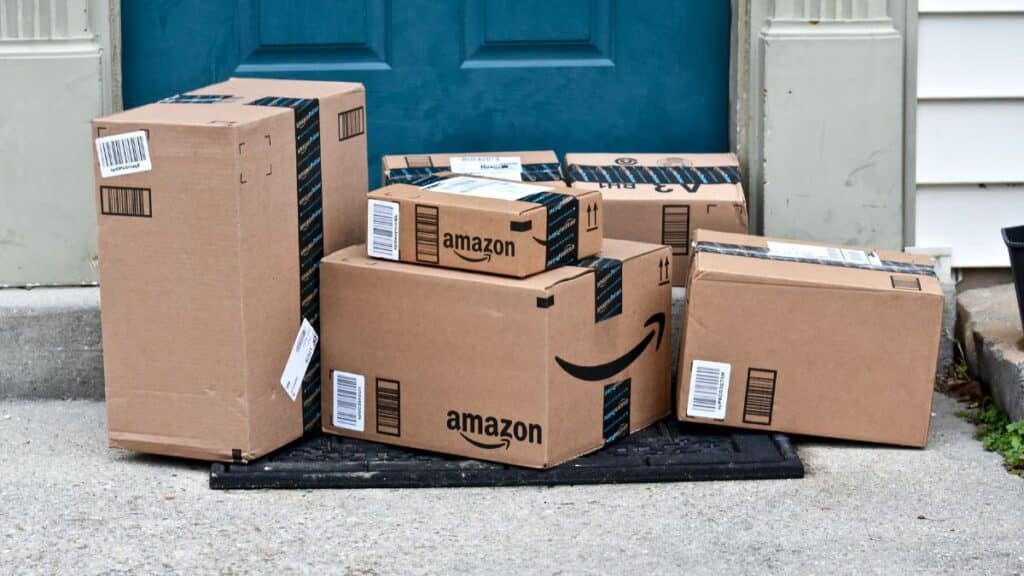
Choosing faster shipping options because waiting feels inconvenient costs much more than people want to acknowledge. Paying $5 to $10 for expedited shipping on items that aren’t truly urgent accumulates to hundreds annually. The desire for instant gratification overrides financial logic, making people pay premiums for speed they don’t actually need.
Amazon Prime membership theoretically saves on shipping, but often encourages more frequent ordering of items that could have been consolidated or bought locally. The habit reveals impatience that has measurable financial costs people prefer not to calculate. Waiting a few extra days for free shipping would save money without real inconvenience, but the psychological resistance to delayed gratification wins out.
ATM Fees for Out-of-Network Withdrawals

Using whatever ATM is convenient rather than finding your bank’s machines costs $3 to $5 per withdrawal in combined fees. Do this twice weekly, and you’re paying $300 to $500 yearly just to access your own money. The habit persists because individual fees seem too small to worry about, but they accumulate into real costs that provide zero value.
People know ATM fees are wasteful, but prioritize convenience over the minor effort of planning cash needs or finding in-network machines. Banks profit enormously from this lazy habit while customers lose money for no reason beyond poor planning. Getting cash back at stores or using mobile payment options eliminates the need for frequent ATM visits but requires changing ingrained behaviors.
Delivery App Fees and Tips

Food delivery apps hide the true cost through service fees, delivery fees, small order fees, and suggested tips that make cheap meals expensive. A $12 menu item becomes $20 to $25 after all charges, turning what seems affordable into premium pricing. Using delivery apps multiple times weekly easily costs $200 to $400 monthly or $2,400 to $4,800 annually for convenience you could eliminate by picking up orders yourself.
People avoid calculating total delivery costs because facing the numbers would make the habit harder to justify. The convenience feels worth it in the moment, but the cumulative expense rarely provides equivalent value. New fees hotels are sneaking onto your bill follow similar patterns of hidden charges that people don’t notice until they add up.
Energy Waste from Poor Habits

Leaving lights on, running heat or AC excessively, and using old, inefficient appliances costs substantially more than necessary. Poor energy habits can add $50 to $100 monthly to utility bills or $600 to $1,200 yearly in completely avoidable costs. People know they should turn off lights and adjust thermostats, but don’t because the immediate inconvenience outweighs the delayed savings.
The habit of leaving electronics plugged in and on standby mode also drains power constantly for no benefit. Simple changes like LED bulbs, programmable thermostats, and unplugging devices would save money, but inertia prevents most people from making those adjustments. Admitting how much energy waste costs would require acknowledging that laziness is expensive.
Buying Bottled Water

Purchasing bottled water instead of using reusable bottles and tap water or filters wastes tremendous amounts over time. A $2 bottle daily equals $730 annually for something available essentially free from your tap. The habit persists despite knowing it’s wasteful because convenience wins out over environmental or financial concerns. Cases of bottled water from stores are cheaper than individual bottles, but still cost far more than filtering tap water would.
People justify bottled water purchases as necessary for hydration while ignoring that reusable bottles filled from home cost virtually nothing. The environmental waste compounds the financial waste, but neither concern changes behavior for most people who’ve made bottled water their default.
Impulse Checkout Lane Purchases

Grabbing candy, magazines, drinks, or other items while waiting in checkout lines adds small amounts per trip that accumulate into real money. Spending $5 to $10 on impulse items per grocery trip totals $250 to $500 yearly on things you didn’t need and wouldn’t have bought with any thought. Stores design checkout lanes specifically to capture this impulse spending, and most people fall for it regularly.
The purchases happen mindlessly while waiting, making them easy to forget and never account for in budgets. People avoid acknowledging this habit’s cost because it would require admitting they’re susceptible to obvious marketing tactics. Skipping checkout lane displays entirely would save money, but requires discipline most shoppers don’t exercise.
Premium Gas When Regular Works Fine

Using premium gas in vehicles that don’t require it wastes about 50 cents per gallon or $300 to $500 annually for zero benefit. Car manuals specify what fuel grade is needed, but people buy premium anyway, thinking it helps their engine or improves performance. This belief persists despite being wrong for most vehicles, creating spending that literally provides nothing.
The habit might come from outdated information, status concerns, or simple ignorance about what their car actually needs. People avoid reading their owner’s manual or admitting they’ve been wasting money on unnecessary premium fuel for years. Switching to the recommended grade would save money immediately without any downside beyond wounded pride about being wrong.
Facing the Real Numbers

These habits stick around because people avoid adding up what they really cost. Seeing thousands spent on coffee or delivery forces hard choices. It feels easier to treat each purchase as small and separate. Convenience often wins over logic. People choose comfort now instead of savings later. Small hassles like packing lunch feel bigger than they are.
These habits feel normal, not wasteful. Buying coffee or snacks seems harmless. Over time, the repeat spending turns into a major drain. Breaking the cycle starts with honest math. Accepting small inconveniences can free up real money. Those savings already exist, but habits keep eating them.
10 Bad Spending Habits Keeping You Stuck in the Paycheck-to-Paycheck Cycle

Living paycheck to paycheck can feel like a never-ending loop. You work hard, but there’s never quite enough left at the end of the month. If you’ve ever wondered why it’s so hard to get ahead, your spending habits may be one of the biggest culprits. Here are 10 habits that may be draining your wallet and keeping you in financial frustration. 10 Bad Spending Habits Keeping You Stuck in the Paycheck-to-Paycheck Cycle