


Some things stop feeling worth it once the price crosses a certain threshold. What used to be an easy yes becomes a hard pass when costs rise enough to make you question the value. Here are nine purchases that lost their appeal once prices climbed too high.
Takeout Coffee

Daily coffee shop runs used to feel like an affordable treat, but watching a medium latte climb from $4 to $7 changed the calculation. Add a pastry or breakfast sandwich, and you’re easily spending $12 to $15 for something that takes ten minutes to consume. The ritual of stopping for coffee lost its charm when it started feeling like a significant budget line item. Home brewing suddenly seems less like settling and more like the obviously smarter choice.
💸 Take Back Control of Your Finances in 2025 💸
Get Instant Access to our free mini course
5 DAYS TO A BETTER BUDGET
The quality difference doesn’t justify the cost anymore, especially when you multiply it across a week or a month. What used to be a small indulgence now registers as wasteful spending that adds up faster than most people want to admit. The appeal evaporated once the price made it impossible to ignore the math.
Movie Theater Visits
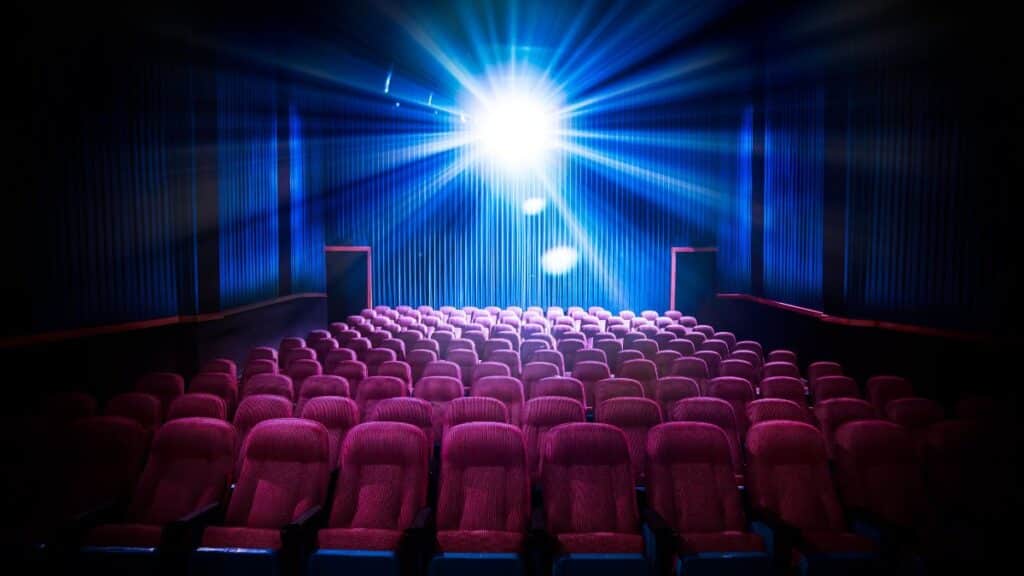
Going to the movies used to be affordable entertainment for families, but ticket prices climbing to $15 or $20 each changed that. Add concessions, and you’re looking at $80 to $100 for a family of four to watch one movie. The experience has to be pretty special to justify that cost, and most movies just aren’t. Waiting a few weeks to stream it at home for a fraction of the price became the default choice for many people.
The appeal of the big screen and surround sound doesn’t overcome the sticker shock anymore. Theater chains keep raising prices while the at-home viewing experience keeps improving, making the value proposition worse from both directions. What used to be a regular activity became an occasional splurge reserved for must-see films.
Fast Food Combo Meals

Fast food was supposed to be the cheap option, but combo meals hitting $12 to $15 killed that perception. When fast food costs nearly as much as casual dining, the convenience factor is the only thing left justifying it, and that’s not enough for many people. The quality hasn’t improved to match the price increases, so you’re paying more for the same mediocre food.
Things that used to be cheap but now feel outrageous include meals that used to represent quick, affordable options. The appeal disappeared once people started doing the mental math comparing fast food prices to grocery costs or even sit-down restaurants. Eating at home or meal prepping became more attractive as fast food lost its value advantage.
Greeting Cards

Spending $6 to $8 on a card you know the recipient will glance at and throw away stopped making sense to a lot of people. The prices crept up gradually until greeting cards became surprisingly expensive for what they are. Digital options, handwritten notes, or just calling someone directly all feel like better uses of time and money.
The card industry built itself on social obligation, but rising prices gave people permission to question whether buying cards actually matters. The appeal faded once the cost crossed the threshold where it felt like paying for packaging and someone else’s words. Most people would rather put that money toward an actual gift or experience than paper that gets recycled within days.
Cable Television
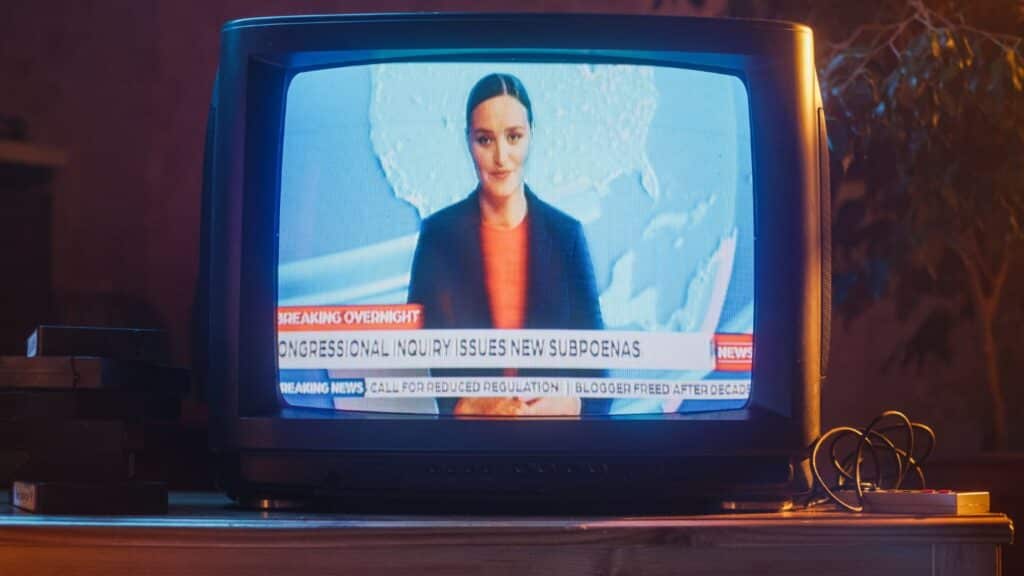
Monthly cable bills climbing past $100, $150, or even $200 finally pushed people to cut the cord. The value proposition completely collapsed when streaming services offered more content for a fraction of the cost. Cable companies kept raising rates while providing the same channels and an inferior user experience compared to on-demand streaming.
The appeal vanished once people realized they were paying premium prices for commercials, schedules they didn’t control, and dozens of channels they never watched. Even sports fans, traditionally cable’s most loyal customers, started finding ways to stream games instead. The price increases accelerated the shift to streaming by making cable feel like a ripoff rather than a necessity.
Brand Name Groceries

Loyalty to specific brands weakened significantly as prices rose across the board. When your favorite cereal jumps from $4 to $7, and the store brand is still $3, the taste difference stops justifying the premium. People started realizing that many store brands are made by the same manufacturers anyway, just with different packaging.
The appeal of name brands diminished once grocery bills became painful enough to force comparisons. Quality differences that used to seem important became harder to justify when budgets got tight. Generic products went from being perceived as inferior to being the smart choice, especially for staples where brand really doesn’t matter much.
Craft Beer

The craft beer boom relied partly on people willing to pay $10 to $15 for a six-pack or $8 for a pint at a bar. As overall costs increased and discretionary spending shrank, craft beer started feeling like an unnecessary luxury. The difference between craft and regular beer didn’t seem worth the price premium anymore, especially for casual drinking.
Beer enthusiasts still pay for special releases, but many people downgraded to cheaper options or cut back on drinking entirely. The appeal faded as prices climbed because beer is ultimately a discretionary purchase that’s easy to eliminate or substitute. Small luxuries people refuse to give up exclude items where price increases pushed them into luxury territory they can’t justify.
Gym Memberships

Monthly gym fees climbing to $50, $75, or over $100 made people question whether they actually needed the membership. The appeal diminished once the cost started feeling significant relative to how often they actually went. Home workouts, outdoor exercise, and cheap equipment became more attractive alternatives as gym prices rose.
The pandemic also proved that people could stay fit without expensive memberships, making it harder to justify the cost afterward. Gyms banking on inertia and guilt to keep members paying found that higher prices motivated people to finally cancel. The value proposition only works if you go regularly, and rising costs made people honest about their actual usage patterns.
New Books

Hardcover books climbing to $30 or $35, changed buying habits for casual readers. The appeal of owning new releases diminished when that money could cover a month of a library card or e-book subscription service. Waiting for paperback, buying used, or borrowing from libraries all became more attractive as new book prices rose.
The experience of reading doesn’t change based on when you buy the book, making it easy to delay purchases. Book lovers who used to buy regularly started being selective about which authors or titles justified the full price. Publishers pushed prices higher, assuming loyal readers would pay anything, but instead they drove people toward alternatives that cost nothing or much less.
When Price Kills the Product

These purchases share more than higher prices. Each one crossed a point where people stopped and asked if it was still worth it. The benefit did not keep up with the cost, and the value fell apart. Some companies assumed loyalty would hold no matter the price. That did not happen. As budgets tightened, people cut items that no longer felt justified.
The shift happened fast. These were not slow fade-outs. Once prices hit a certain level, interest dropped, and spending changed. Price is not only about the number. It is about value, alternatives, and how much strain your budget feels. When that balance breaks, even old favorites get dropped.
11 Purchases Frugal People Avoid Like the Plague

Living a frugal lifestyle isn’t about deprivation; it’s about making smart choices that align with your long-term goals. By being intentional with your spending, you can focus on what truly matters to you and lead a more satisfying and financially stable life. Understanding what not to buy helps you maximize your resources, ultimately bringing you closer to financial peace of mind. Embracing frugality means looking at everyday expenses with a critical eye and deciding which cuts can benefit you most. It’s about avoiding impulse buys and recognizing the value of each dollar. 11 Purchases Frugal People Avoid Like the Plague