


Some purchases seem reasonable initially. The long-term costs reveal poor decisions, though. People don’t calculate total ownership expenses before buying. The regret comes from understanding real costs too late. Here are twelve purchases people regret once they see the long-term costs.
Timeshares
Timeshares appear affordable during high-pressure sales presentations. The ongoing maintenance fees, special assessments, and hidden costs accumulate relentlessly. Reselling becomes nearly impossible. Owners realize they bought expensive obligations disguised as vacation opportunities.
💸 Take Back Control of Your Finances in 2025 💸
Get Instant Access to our free mini course
5 DAYS TO A BETTER BUDGET
Initial prices seem manageable compared to hotel costs over the years. The reality involves ever-increasing annual fees regardless of usage. Maintenance costs rise faster than inflation. Selling means losing thousands because resale markets barely exist. Owners discover they purchased financial burdens that last for decades. The vacation value never justifies the total costs.
Brand New Cars

New cars lose twenty to thirty percent of their value immediately. Depreciation continues steeply for years. Insurance costs more. Registration fees stay high. The total cost of ownership far exceeds used vehicle alternatives. Buyers realize too late that new cars represent terrible financial value.
Showroom appeal and new car smell fade quickly. The depreciation never stops, though. First-year losses equal multiple years of used car payments. Insurance premiums stay elevated. The smell of a new car becomes the smell of wasted money. Used vehicles provide identical transportation at a fraction of the total cost. Those focused on vehicle expenses avoid new car depreciation.
Expensive Engagement Rings
Diamond rings costing months of salary become regrettable expenditures. The resale value proves far below the purchase price. Insurance costs continue annually. The money could have funded weddings, homes, or investments instead. The symbolic gesture becomes a financial anchor.
Marketing convinced generations that expensive rings prove love. Diamonds have minimal resale value. The markup from wholesale to retail is massive. Couples realize the money would have served them better in countless other ways. The ring sits on a finger while representing thousands of dollars that could have improved their lives tangibly.
Boats and Recreational Vehicles
Boats sit unused while consuming money through storage, maintenance, insurance, and repairs. The saying that the best boat days are buying and selling proves true. Actual usage rarely justifies ownership costs. Rental would have cost far less than ownership for occasional use.
Initial purchase seems justified by anticipated enjoyment. Reality involves constant maintenance and expense with minimal use. Storage fees continue year-round. Winterizing costs money. Mechanical problems happen regularly. The few days of actual use cost thousands when total expenses are calculated. Selling means losing substantial money. The brief enjoyment becomes expensive regret.
Premium Cable Packages
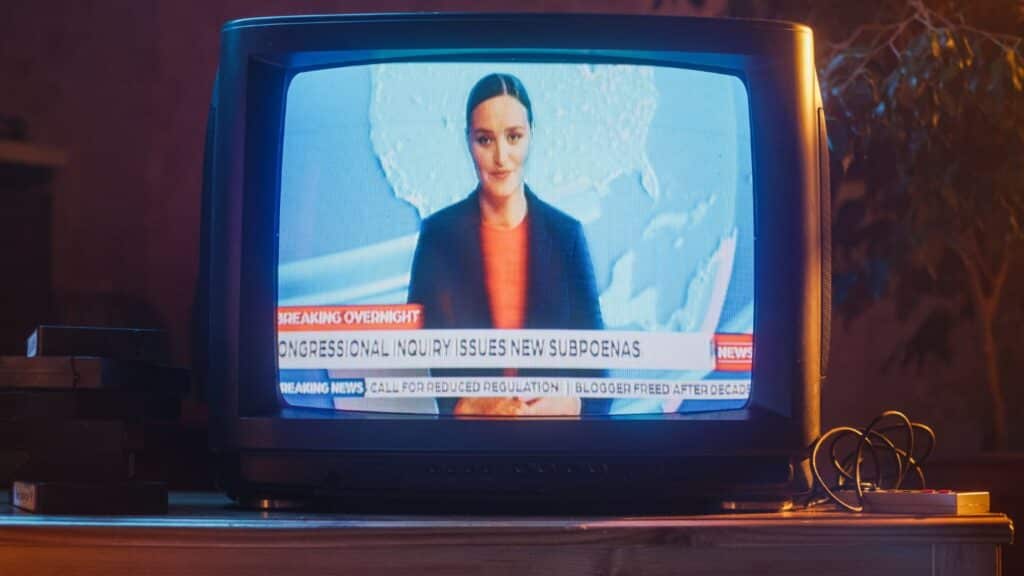
Comprehensive cable packages costing one hundred fifty dollars a month seem reasonable for entertainment value. Over the years, the costs have reached tens of thousands. Most channels never get watched. Streaming alternatives provide desired content for a fraction of the cost. The habit of paying for unused channels becomes an expensive realization.
Channel quantity seems valuable during subscription. Actual viewing focuses on a handful of networks. The math reveals paying for hundreds of unwatched channels for years. Switching to streaming would have saved thousands. The cable loyalty becomes recognized as an expensive habit that provides little actual value.
Extended Warranties

Extended warranties on electronics and appliances rarely prove worthwhile. They cost hundreds upfront. Claims get denied through technicalities. Most products either work fine or fail after the warranty periods end. The protection purchased provides minimal actual coverage when needed.
Sales pitches make warranties seem essential. Statistics show they benefit sellers far more than buyers. Products usually survive warranty periods or fail outside coverage terms. The money spent on warranties across multiple purchases adds up substantially. Self-insuring by saving warranty costs proves a better strategy. The purchased peace of mind rarely delivers actual protection.
Gym Memberships Rarely Used

Annual gym memberships costing fifty to seventy dollars monthly seem motivating. Actual usage averages less than once weekly. Over the years, the cost per visit has reached absurd levels. Home workouts or pay-per-visit options would have cost far less. The membership becomes an expensive guilt generator.
Initial enthusiasm justifies membership costs. Reality involves infrequent visits and wasted money. Contracts continue during non-use periods. Cancellation proves difficult. The accumulated costs over the years reveal expensive mistakes. Drop-in rates or home exercise would have saved thousands while providing equal fitness results. Those managing recurring costs eliminate unused memberships.
Luxury Handbags and Accessories

Designer bags costing thousands seem like investments. They’re actually depreciating consumer goods. Resale values disappoint. Fashion changes make expensive bags look dated. The money could have been invested for actual returns. The status symbol becomes a recognized financial mistake.
Marketing positions luxury goods as investments. Reality shows they’re expensive accessories that lose value. Trends change, and bags go out of style. Wear and tear happen regardless of price. The resale market reveals true values far below purchase prices. The thousands spent provided a temporary status at permanent cost.
Private School Tuition Without Financial Aid

Private school costs drain savings and increase debt. Public school alternatives often provide comparable education. The differentiation proves minimal for most students. College admissions don’t favor private school attendance significantly. The total costs over the years reach hundreds of thousands for a debatable benefit.
Private school seems like an investment in children’s futures. Outcomes don’t justify costs for most families. Public schools in decent districts provide quality education free. The money spent on private school could fund college completely. Student success depends more on family support than school price tags. The expensive choice rarely delivers proportional results.
Subscription Boxes
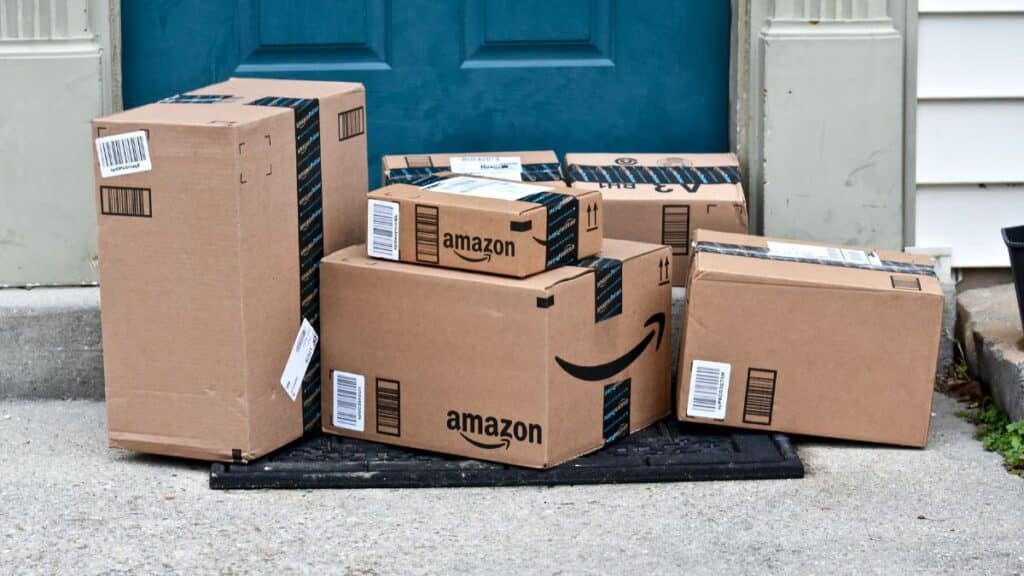
Monthly subscription boxes seem fun and affordable. Individual box costs are modest. Over the years, though, the accumulated expense becomes substantial. Most items go unused. The convenience becomes recognized as expensive waste. Canceling reveals how much money was spent on unwanted products.
Boxes arrive regularly with excitement initially. Enthusiasm fades, but charges continue. Unused items accumulate. Annual costs reach hundreds for products that mostly get discarded or ignored. The realized waste makes the subscription seem foolish. Buying wanted items individually would have cost far less and provided actual value.
High-End Smartphones on Payment Plans

Flagship phones costing over one thousand dollars get financed through carrier plans. Upgrade cycles every two years mean perpetual payments. Total costs include interest and inflated service plans. Mid-range phones provide similar functionality at a fraction of the cost. The premium phones become expensive status symbols, providing minimal practical advantage.
The latest technology seems essential during purchase. Previous phones worked fine, though. The marginal improvements don’t justify the costs. Payment plans hide true expenses through monthly charges. Breaking the upgrade cycle reveals thousands wasted on unnecessary phone premiums. Budget phones do everything needed for far less money.
Financed Furniture

Furniture financing through store credit cards seems convenient. Interest rates reach twenty-five percent or higher. Total costs far exceed cash prices. Furniture value drops immediately and continues declining. The financed couch costs double its worth through accumulated interest. Buying used or saving for cash purchases would have been far smarter.
No-interest promotions sound appealing. Missing a single payment triggers retroactive interest. Furniture gets financed at credit card rates. Depreciation happens immediately. The math reveals paying twice the value for depreciating goods. The convenience of immediate possession becomes an expensive long-term regret. Used furniture provides the same function without debt or inflated costs.
The Hidden Price Tags
These purchases share common problems. Initial costs seem manageable or justified. Long-term expenses reveal poor value propositions. Total ownership costs far exceed anticipated amounts. The purchases provide minimal lasting value relative to the money spent.
Regret often comes from math you didn’t do before buying. The price tag rarely shows what something really costs over time. Companies count on people skipping those extra details. Once time passes, the true cost becomes clear. Most regrets come from items where cheaper or free options would have worked just as well.
This article first appeared on Cents + Purpose.