


Budgets are tighter everywhere. People are cutting back on most things. But some categories still see strong spending despite rising costs. Americans have decided certain expenses are worth protecting even when money gets tight. Here are eight spending patterns that show where people are still splurging.
Pet Care and Premium Pet Products

Pet spending hit record highs. Premium pet food, specialty treats, veterinary care, and grooming services continue growing. People treat pets like family members and won’t compromise on their care.
💸 Take Back Control of Your Finances in 2025 💸
Get Instant Access to our free mini course
5 DAYS TO A BETTER BUDGET
A $60 bag of grain-free dog food costs double what basic kibble runs. Pet owners pay it anyway. Vet bills that would make people hesitate for themselves get paid immediately for pets. The $200 grooming appointment stays on the schedule. Dogs and cats aren’t getting budget cuts in most households.
Experiences Over Things

Concert tickets, sporting events, and travel still sell well despite higher prices. Taylor Swift tickets went for hundreds or thousands. People paid them. Music festivals sell out at $400 per person. Airlines report strong bookings even with increased fares.
The shift toward experiences instead of possessions accelerated. A $300 concert creates memories. A $300 sweater just hangs in your closet. People who cut back on buying stuff are still spending on doing things. They’re choosing ways to save money without cutting everything fun from their lives.
Health and Fitness

Gym memberships, fitness classes, and wellness services maintain strong demand. Boutique fitness studios charge $35 per class and stay full. Personal training, yoga studios, and specialized workout programs continue growing despite costs.
Health became a priority during the pandemic and stayed that way. People view fitness spending as an investment in themselves. Monthly gym fees of $100 or more get protected in budgets. The reasoning is that health costs more to fix than maintain. Prevention feels worth the ongoing expense.
Quality Coffee and Specialty Drinks

Coffee shops stay busy despite $6 lattes. People complain about the price, then order anyway. Specialty coffee drinks, cold brew, and premium roasts sell consistently. The daily coffee habit survives budget cuts that eliminate other small luxuries.
Coffee occupies a unique category. It’s part routine, part treat, part social experience. The $7 spent on an oat milk latte feels justified in ways that other $7 purchases don’t. Morning coffee is one of those small luxuries people refuse to give up regardless of financial pressure.
Children’s Activities and Education

Parents prioritize spending on kids even when cutting their own expenses. Sports leagues, music lessons, tutoring, and educational programs remain protected. A $200 monthly soccer program stays in the budget while parents skip their own hobbies.
The investment in children’s development trumps almost everything else. Parents will drive older cars and skip vacations to keep kids in activities. This spending reflects values more than discretionary choices. Cutting children’s opportunities feels unacceptable to most parents regardless of financial strain.
Streaming Services and Digital Entertainment

Multiple streaming subscriptions survive in most budgets. People dropped cable but added Netflix, Hulu, Disney+, HBO Max, and others. The total monthly cost often exceeds what cable used to run. Video games, apps, and digital content also maintain strong sales.
Entertainment at home became essential during lockdowns and stayed that way. The $80 per month for streaming services feels cheaper than going out even though it adds up significantly over a year. Digital entertainment provides value for the cost in most people’s minds.
Eating Out and Food Delivery

Restaurant spending remains high despite price increases. Food delivery apps thrive even with fees and markups. A $15 burger becomes $25 after delivery fees and tip. People still order regularly.
Convenience wins even when it costs extra. After long work days, paying $30 for delivered dinner beats cooking. Weekend restaurant meals with friends and family remain social priorities. This is one area where spending cuts happen slowly if at all. Food brings people together and that matters more than the price tag.
Personal Care and Beauty
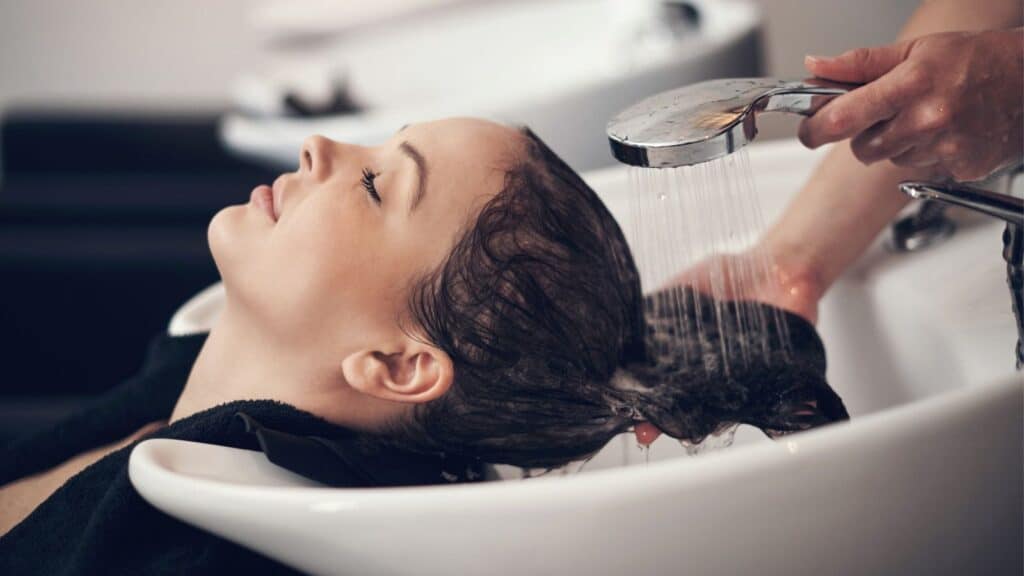
Hair salons, nail appointments, skincare products, and cosmetics maintain steady demand. Women and men both spend on appearance maintenance. A $150 hair color appointment stays on the calendar. Skincare routines with $50 serums continue.
Looking good affects confidence and professional presentation. People view this spending as necessary rather than optional. The products and services that help someone feel put together rarely get eliminated completely even during budget tightening. Some folks adjust by stretching appointments longer or choosing slightly cheaper products, but they don’t stop spending in this category entirely.
What This Reveals

These spending patterns show what Americans truly value. When forced to choose, people protect expenses tied to relationships, health, children, pets, and experiences. Physical possessions and traditional luxuries get cut first.
The shift isn’t temporary. These priorities are reshaping the economy. Industries that align with these values thrive. Those that don’t struggle. Retailers selling stuff face challenges while service businesses in health, wellness, and experiences grow. Understanding where money still flows reveals what matters most when budgets get squeezed. People vote with their wallets and the results are clear.
9 Simple Mind Tricks to Actually Enjoy Spending Less

Learning to spend less doesn’t have to feel like deprivation. It’s possible to make it an exciting challenge rather than a struggle. These practical mind tricks turn saving money into a lifestyle shift you’ll not just accept but actually enjoy. 9 Simple Mind Tricks to Actually Enjoy Spending Less