


Big financial achievements often get celebrated while small daily victories go unnoticed. The everyday choices you make consistently matter more than occasional grand gestures. These wins seem minor individually, but compound into meaningful financial improvement over time through repetition and habit formation.
Bringing Lunch Instead of Buying

You packed lunch this morning instead of buying food at work. This single choice saved $10 to $15 today. Multiply that across workdays and you’re saving $200 to $300 monthly. The habit transforms your food budget over a year.
💸 Take Back Control of Your Finances in 2025 💸
Get Instant Access to our free mini course
5 DAYS TO A BETTER BUDGET
Restaurant lunches feel like small expenses that don’t matter much. The per-meal cost seems manageable. The cumulative impact reveals itself only when calculated annually. You’re saving $2,400 to $3,600 yearly through this single consistent choice.
The win isn’t one packed lunch. It’s establishing the pattern. You created a system where bringing food becomes default rather than exception. The habit matters more than any individual occurrence. You changed your relationship with weekday food spending.
Walking Away From Impulse Purchases

You saw something you wanted at the store. You picked it up and walked around with it. Then you put it back and left without buying. This moment of restraint saved $30 to $50 today but represents something more valuable.
The victory is recognizing the impulse and choosing not to act on it. You broke the pattern of automatic purchasing. Most impulse buys provide brief satisfaction followed by regret. Avoiding them prevents clutter and buyer’s remorse along with the immediate spending.
Practicing this restraint builds muscle for larger financial decisions. You develop the ability to pause between wanting something and buying it. That space allows rational evaluation. The skill transfers to bigger purchases where delayed decisions save substantially more.
Choosing Water Over Drinks Out
You ordered water with your meal instead of a $4 soda or $8 cocktail. This tiny choice saved a few dollars tonight. Make this choice consistently and you’re saving $80 to $160 monthly when dining out.
Beverage charges at restaurants carry huge markups. You’re paying $3 for 30 cents of soda. Alcoholic drinks cost even more with similar profit margins. Water costs nothing and you don’t miss the drinks as much as you’d expect.
The savings add up across a year to $960 to $1,920. You achieved this by simply choosing differently when servers asked for drink orders. No major sacrifice occurred. You made a small adjustment that compounds into real money through consistency.
Actually Using Grocery Purchases Before They Spoil

You ate the leftovers tonight instead of ordering takeout. You used the vegetables in the crisper before they wilted. You finished food you bought instead of letting it spoil then buying more. This prevented waste of $10 to $20 in groceries.
American households waste 30% to 40% of food purchased according to research. You’re fighting this tendency through attention and planning. Using what you buy means getting full value from grocery spending rather than throwing money in the trash.
This behavior saves money twice. You avoid wasting food you already bought. You don’t spend additional money on replacement food or restaurant meals. The compound effect turns your $600 monthly grocery budget into $800 worth of actual meals consumed.
Skipping One Convenient Store Stop

You drove past the gas station instead of stopping for snacks or drinks. This avoided spending $6 to $12 on convenience store purchases. Do this three times weekly and you save $75 to $150 monthly.
Convenience store stops happen mindlessly during routine driving. You don’t plan them or budget for them. The purchases feel too small to matter. Yet these untracked expenses drain substantial money through frequency and inflated convenience store pricing.
Breaking this pattern requires awareness that convenience stops cost you. You plan ahead by keeping water and snacks available. The eliminated habit saves $900 to $1,800 yearly without reducing your actual enjoyment or convenience significantly.
Waiting 24 Hours Before Online Purchases

You put items in your online shopping cart then closed the browser without buying. You gave yourself 24 hours before making the purchase. Tomorrow most items in the cart will seem less necessary than they did today.
This pause breaks the impulse buying cycle online shopping enables. One-click purchasing removes friction that used to prevent hasty decisions. Waiting reintroduces consideration time that leads to better choices.
The 24-hour rule prevents hundreds in unnecessary spending monthly. The items you don’t buy tomorrow were never actually needed despite feeling essential when you added them to the cart.
Using What You Have Instead of Buying New

You needed a tool for a home project. Instead of buying one you borrowed from a neighbor or used something you already owned that worked adequately. This avoided spending $30 to $100 on something you’d use once.
The default is buying solutions to problems. You see a need and purchase what addresses it. Pausing to consider alternatives often reveals you can solve issues without spending money. You have resources already or can access them through sharing.
This mindset shift applies across situations. You wear clothes you own instead of buying new outfits. You use pantry ingredients for meals rather than shopping for specific recipes. The habit of using existing resources before spending saves hundreds monthly through reduced purchasing frequency.
Choosing Free Entertainment Over Paid Activities

You went for a walk in the park instead of going to a movie. You played board games at home instead of going to an entertainment venue. You found free enjoyment rather than defaulting to activities that cost money.
Entertainment spending feels necessary for quality of life. You deserve fun and relaxation. But paid entertainment isn’t the only option. Free activities often provide equal or greater satisfaction when you actually do them.
The park walk cost nothing compared to $30 for movie tickets and concessions. Making this choice twice monthly saves $720 yearly. You haven’t sacrificed enjoyment. You’ve discovered that expensive entertainment isn’t required for good times or life satisfaction.
Declining Offered Upgrades and Add-Ons
The clerk offered you an upgrade or add-on with your purchase. You politely declined. This happened at fast food, retail stores, and service appointments. Saying no saved $5 to $20 per transaction.
Businesses train staff to offer extras with every sale. The upgrades and add-ons increase transaction amounts. Most people say yes out of habit or social pressure. Declining requires active choice rather than passive acceptance.
You refuse the extra warranties, service packages, and premium versions you don’t need. This discipline saves $50 to $100 monthly across all transactions. The accumulated savings from consistently declining unnecessary add-ons approaches $1,200 yearly.
Checking Accounts Before Small Purchases
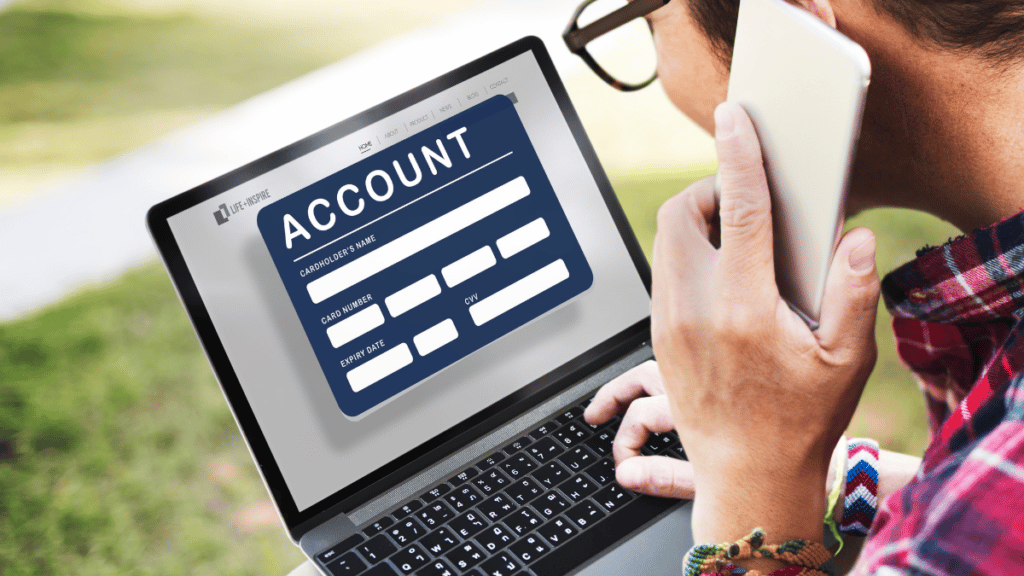
You looked at your bank balance before buying coffee. This moment of awareness prevented spending you couldn’t really afford. The small pause created space for conscious decision-making about whether the purchase fit your financial situation.
Most small purchases happen automatically without financial awareness. You swipe cards without considering account balances or budget status. Checking first introduces reality into spending decisions.
This practice prevents overdrafts and their fees. It creates natural spending limits based on actual available money. The habit develops financial consciousness that extends to larger purchases. You become someone who knows their financial situation rather than operating blindly until problems appear.
Celebrate Small Victories

These wins matter because they’re achievable daily. You don’t need major life changes or windfall money. You need consistent small choices that align spending with intentions. The victories build on each other creating momentum.
Financial success isn’t dramatic moments. It’s boring consistency in everyday decisions. You bringing lunch, skipping impulse purchases, and choosing free activities repeatedly. These patterns determine outcomes more than occasional big financial moves.
The power is accessibility. You can implement these behaviors starting today. They don’t require special knowledge or circumstances. You simply pay attention to small choices and make different ones. The compound effect of daily victories transforms finances more effectively than searching for complicated strategies or hoping for sudden improvements that rarely materialize without foundation of solid everyday habits.
This article first appeared on Cents + Purpose.