


The little spending decisions people make tell a bigger story about financial pressure. Small changes in behavior often signal that household budgets are stretched to the breaking point. Here are ten subtle money choices that reveal serious economic stress beneath the surface.
Splitting Purchases Across Multiple Payment Methods

Paying for groceries with two different cards or mixing cash and credit shows insufficient funds. People with comfortable finances don’t need to split a $60 grocery bill between methods. The checkout line choreography of trying different cards reveals budget strain. Cashiers see this behavior constantly and recognize it as a stress indicator.
💸 Take Back Control of Your Finances in 2025 💸
Get Instant Access to our free mini course
5 DAYS TO A BETTER BUDGET
Having to calculate which card has available credit for which items is exhausting. The mental load of managing multiple nearly maxed payment methods is substantial. Dealing with financial pressure often shows up in these small transactional moments. This splitting strategy helps people get through the immediate purchase but signals deeper problems.
Buying Single Rolls of Paper Towels Instead of Bulk

Bulk purchases save money per unit but require upfront cash people don’t have. A single roll costs more long term but fits today’s extremely tight budget. Economic stress forces people into more expensive purchasing patterns. The poverty premium means those with less money pay more for basic necessities.
Knowing bulk is cheaper but being unable to afford it creates frustration and resentment. Dollar stores thrive on customers who can’t access better per unit pricing. People making these choices understand the math but lack the cash flow flexibility. The inability to invest in bulk savings perpetuates the cycle of higher costs.
Putting Off Small Maintenance Issues
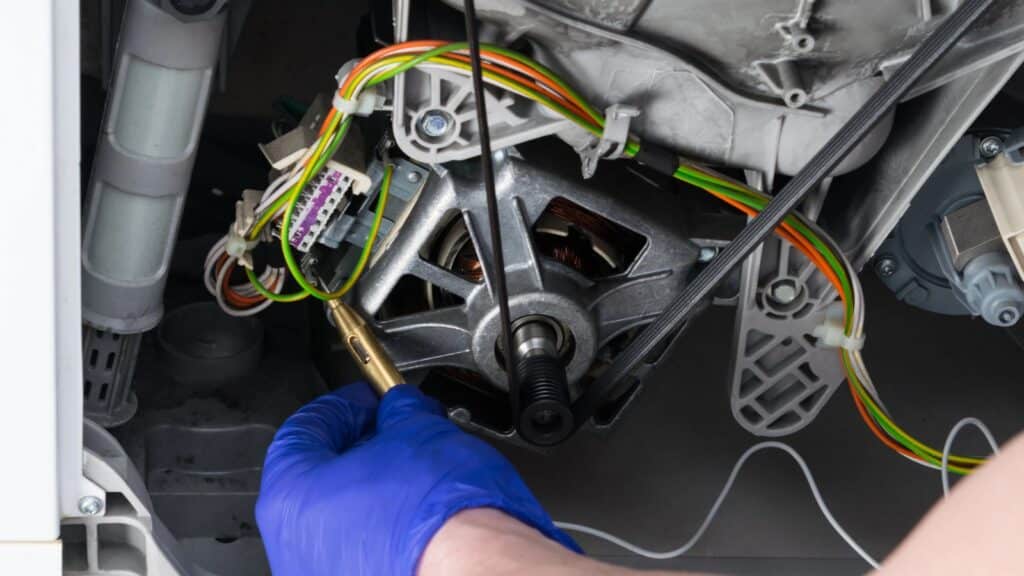
Ignoring a weird car noise because the diagnostic fee alone costs $100 seems necessary. Small problems become expensive repairs when financial stress prevents early intervention. A $50 fix now versus a $500 fix later is obvious, but the $50 isn’t available. Delaying dental cleanings, oil changes, and minor home repairs signals cash flow problems.
People under economic stress play financial Russian roulette with maintenance. The hope that problems resolve themselves or can wait indefinitely rarely works out. Deferred maintenance eventually creates emergencies that cost far more to address. This pattern of delay reveals people living so close to the edge that even small expenses feel impossible.
Overdrafting to Avoid Bounced Payment Fees

Accepting a $35 overdraft fee to prevent a $50 bounced check fee is grim math. Banks profit enormously from people juggling insufficient funds across obligations. The choice between bad and worse shows how economic stress eliminates good options. People making these calculations live in constant fear of triggering cascade failures. One bounced payment can trigger multiple fees across different accounts and services.
The mental exhaustion of timing deposits and payments down to the hour is crushing. Managing tight cash flow requires constant vigilance that takes emotional toll. Choosing which fee to accept instead of avoiding fees entirely signals serious distress.
Buying Groceries With Gift Cards

Using gift cards received for holidays or birthdays on groceries instead of treats is telling. Gift cards intended for fun purchases get redirected to survival basics. People under economic stress can’t afford the luxury of spending gifts on actual wants. The giver imagined you buying something special, not milk and bread.
Converting gift cards to necessities reveals how tight budgets have become. Some people even sell gift cards at a loss for immediate cash. The inability to use gifts as intended shows how economic pressure eliminates any financial breathing room. This redirect from wants to needs is a clear distress signal.
Waiting Until Payday for Prescriptions

Delaying medication pickup by days or weeks due to cost is dangerous and common. People ration pills, skip doses, or go without while waiting for money. The $20 copay might as well be $200 when your account sits at $12. Pharmacists recognize the “I’ll come back” response as economic stress rather than forgetfulness.
Health consequences from delayed medications create bigger problems down the line. The choice between medicine and food shouldn’t exist but does for millions. Some people ask doctors for samples because they can’t afford the actual prescription. Medication delay is one of the clearest indicators of households in financial crisis.
Returning Purchases After Brief Use

Buying something needed, using it, then returning it shows desperate cash management. Retailers call this wardrobing when done with clothes but it happens across categories. People borrow money essentially interest free by exploiting return policies. The ethical discomfort gets overridden by genuine financial need.
Using a tool for one project then returning it keeps the immediate cash need manageable. This practice signals people who need items but can’t permanently afford them. Finding creative solutions to cash shortages sometimes crosses into problematic territory. The prevalence of this behavior indicates widespread economic pressure.
Choosing Based Solely on Cheapest Option

Buying the absolute cheapest version regardless of quality shows pure survival mode. Normally people balance cost with quality, durability, and value. Economic stress eliminates the luxury of considering anything except lowest price. A $3 can opener that breaks immediately still beats a $12 one that lasts years when you have $5 total.
The inability to invest in quality that saves money long term is financially destructive. People know they’re making poor economic choices but have no alternative. The cheapest option often costs more over time but that doesn’t matter without upfront capital. This pattern keeps people trapped in expensive poverty.
Skipping Meals or Eating Less

Adults cutting their own food intake so kids can eat reveals severe economic distress. Stretching meals by eating smaller portions or skipping entirely is sadly common. The physical effects of inadequate nutrition compound other life stresses. Food insecurity doesn’t always look like empty cupboards but like adults going hungry.
Parents make these sacrifices invisibly while maintaining normal appearances. Losing weight unintentionally due to food scarcity is a health crisis indicator. Community food banks see increased demand from working families during economic stress. The decision to underfeed yourself shows financial pressure at catastrophic levels.
Accepting Penalties to Access Own Money Early

Taking 401k loans or hardship withdrawals despite penalties shows desperation. Cashing out retirement early with taxes and fees means no other options remain. People understand they’re destroying their future security but need money now. Payday loans with triple digit interest rates only make sense under extreme pressure.
The choice to accept terrible terms reveals the complete absence of better alternatives. Pawn shops and title loans trap people in cycles that worsen their situation. Understanding all available options matters less when you’re genuinely out of choices. Accepting punishing terms to access cash immediately signals economic emergency.
These small money choices aren’t about poor financial literacy or bad decision making. They’re rational responses to impossible situations where all options are bad. The accumulation of these behaviors across millions of households reveals systemic economic stress. Recognizing these signs helps understand the reality many people face behind normal appearances.
8 Little-Known Financial Tips That Could Change Your Life

Are you sick and tired of being sick and tired? Your finances are out of control, you live paycheck to paycheck, and you are perpetually stressed about money. These eight tips will help you improve your finances…and your life. If you’re struggling with your finances, read through this post and find the strength to take the first step. Just one step. Then another. And another. 8 Little-Known Financial Tips That Could Change Your Life