


Housing market volatility created uncertainty for millions of Americans. You can’t predict whether prices will rise or fall next year. This instability forced new strategies for managing shelter costs and building stability. The traditional path of buying and holding doesn’t work when markets swing unpredictably.
Staying in Starter Homes Longer

You bought a small house, planning to upgrade in five years. The plan changed when prices became unpredictable. Staying put eliminates transaction costs and market timing risks.
💸 Take Back Control of Your Finances in 2025 💸
Get Instant Access to our free mini course
5 DAYS TO A BETTER BUDGET
Selling and buying in volatile markets means gambling on timing. You might sell high but buy higher. Or sell low and still overpay for the next place. Transaction costs of 8% to 10% make frequent moves expensive.
Families now stay in starter homes seven to ten years instead of three to five. You build equity and pay down mortgages rather than resetting with new loans. The stability of staying outweighs the appeal of upgrading when markets are unstable.
Choosing Rentals Over Ownership

You decided renting makes more sense than buying right now. Volatile prices mean homeownership might not build wealth as expected. Rental flexibility protects you from market downturns and maintenance surprises.
Buying at market peaks means years of negative equity if prices drop. You avoid this risk by renting. The flexibility to move for job opportunities or life changes has value when housing futures are uncertain.
Monthly rent payments feel frustrating, but buying in unstable markets carries risks renters avoid. You keep savings liquid rather than tying wealth to assets that might depreciate. The choice reflects practical risk management.
Relocating to Lower-Cost Markets

You moved from expensive coastal cities to affordable inland areas. Remote work enabled geographic flexibility. The instability in high-cost markets pushed you toward stable, affordable regions.
Housing costs in expensive cities swing dramatically. You can’t budget reliably when prices and rents fluctuate wildly. Moving to stable, affordable markets provides predictable housing expenses.
Families relocate to cities where median homes cost $200,000 instead of $600,000. You trade prestige locations for financial stability. The savings free up income for other goals while reducing exposure to volatile markets.
Taking on Roommates or Housemates

You rent out spare bedrooms to offset housing costs. The extra income buffers against rent increases or mortgage payments. Sharing space became acceptable when housing stability matters more than privacy.
A roommate paying $600 monthly covers 30% to 40% of typical housing costs. You create artificial stability by reducing your net housing expense. The arrangement provides a cushion when prices or rents jump unexpectedly.
Parents moving in with adult children and friends sharing houses both reflect this trend. You prioritize affordable, stable housing over living alone. The cultural shift toward shared housing responds to market instability.
Buying Fixer-Uppers Below Market Value

You purchase homes needing work at discounted prices. The strategy reduces exposure to peak pricing. Sweat equity builds value while buying below market provides downside protection.
Homes needing updates sell 15% to 30% below comparable move-in ready properties. You invest time and money into improvements rather than paying peak prices. The approach works when you have skills or can learn basic repairs.
Market instability makes this attractive. You enter at lower price points with built-in equity through improvements. If prices drop, you have more cushion than buyers who paid premiums for turnkey homes.
Prioritizing Adjustable Living Situations

You choose month-to-month leases or short-term rentals. Flexibility matters more than locked rates when market directions are unclear. The ability to move quickly if prices crash or opportunities arise has value.
Long-term commitments in unstable markets feel risky. You might lock in high rent only to see prices drop. Or commit to locations that become unaffordable if circumstances change.
Short-term arrangements cost more monthly but provide options. You can relocate if better opportunities appear or downsize if income drops. The flexibility premium seems worthwhile when predicting housing costs feels impossible.
Downsizing to Reduce Housing Burden
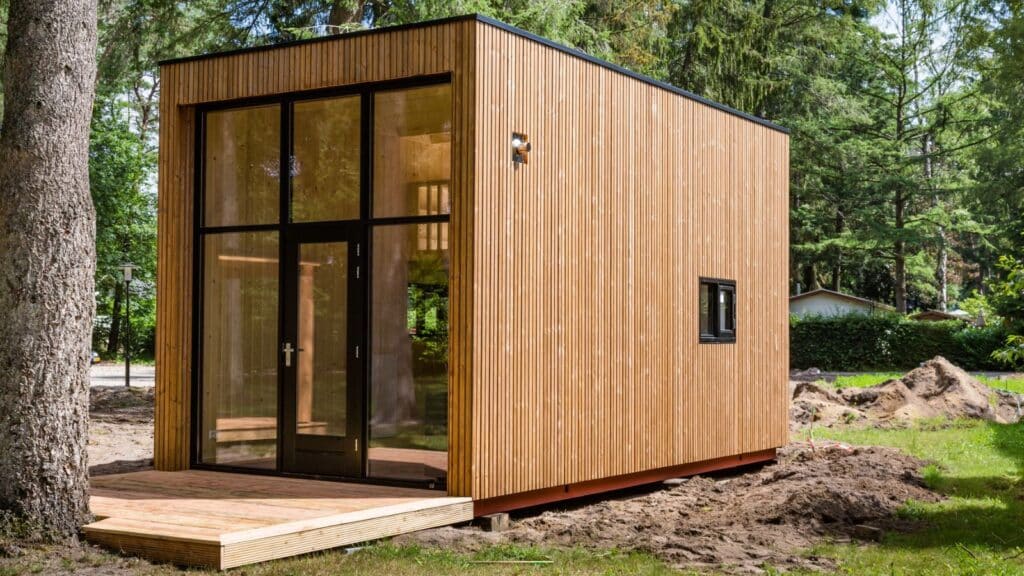
You moved from 2,000 square feet to 1,200 square feet. Smaller spaces cost less to buy, rent, heat, and maintain. Reducing housing footprint creates stability regardless of market movements.
Volatile markets make large housing expenses dangerous. You can’t afford a mortgage or rent, consuming 40% of income when prices might drop. Downsizing to homes requiring 25% to 30% of income provides breathing room.
Less space means less risk. You adjust to smaller homes rather than overextending in unstable markets. The reduced housing burden allows building savings that create true financial stability.
Buying Multi-Family Properties

You purchased duplex or triplex properties. Living in one unit while renting others provides income offsetting housing costs. The strategy reduces exposure to market volatility through rental income.
Owner-occupied multi-family properties qualify for favorable mortgage terms. You get low down payment options, while rental income covers 50% to 75% of total housing costs. Your net housing expense becomes manageable and stable.
Market downturns hurt less when tenants pay most of your mortgage. You build equity across multiple units while rental income provides a buffer against price instability. The approach turns housing into an income source rather than a pure expense.
Delaying Purchases Indefinitely

You stopped planning to buy homes. The market instability and high prices made ownership seem impossible or unwise. Renting long-term became the default rather than a temporary solution.
First-time buyers especially delay purchases, waiting for stability. You can’t commit to 30-year mortgages when prices might crash next year. The psychological barrier of uncertainty prevents entering the market.
This creates a generation of long-term renters by necessity. You focus on building savings and a career rather than forcing homeownership in unstable conditions. The delay might become permanent if markets never stabilize.
Adapting to New Reality
These strategies reflect the acceptance that housing stability disappeared. You can’t rely on predictable appreciation or stable prices. The adaptations prioritize flexibility and reduced risk over traditional homeownership goals.
Market instability changed how you think about shelter. Housing became an expense to minimize rather than an investment to maximize. The shift from ownership focus to stability focus represents a fundamental change in American housing culture.
These adaptations will likely persist even if markets stabilize. You learned that housing markets can be unpredictable and dangerous. The caution and flexibility developed during volatile periods become permanent features of how you approach shelter decisions.
The $50 Home Upgrades You’ll Wish You Tried Sooner

Tight budgets don’t mean you can’t improve your home while cutting costs in the future. Plenty of small, cost-efficient changes not only make your space look and feel better but also help reduce energy bills and maintenance expenses. Here are impactful upgrades you can make for $50 or less that deliver long-term savings. The $50 Home Upgrades You’ll Wish You Tried Sooner