


There are certain things people hold onto long after the numbers stop working. These choices are rarely about logic or budgeting spreadsheets. They are tied to comfort, identity, routine, or fear of feeling like life is shrinking. Even when money stress shows up clearly, some expenses feel too personal or too familiar to let go. Here are nine things people often refuse to give up, even when they know deep down their budget cannot support them.
A Car That Feels Like Part of Their Identity
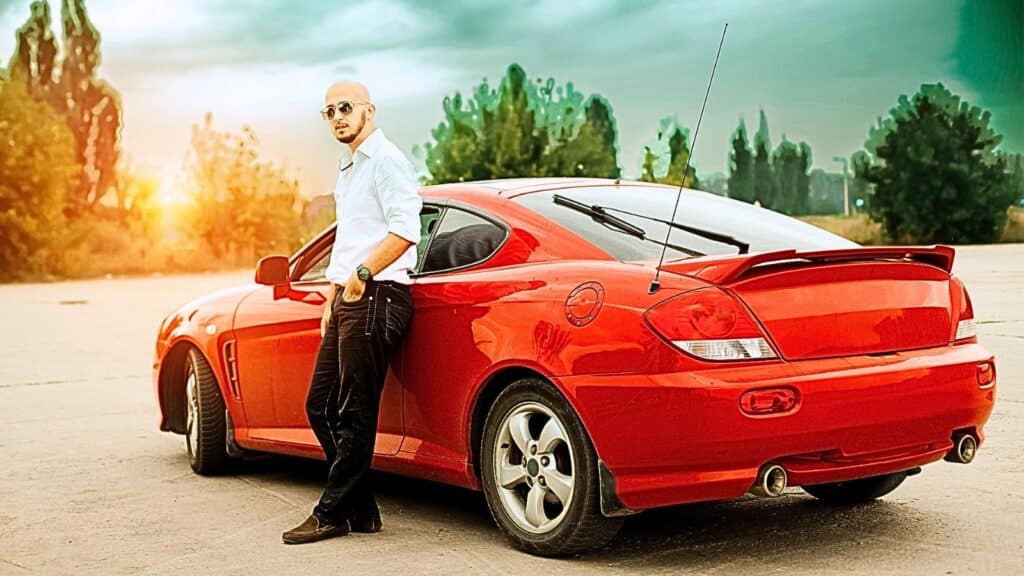
Cars often represent freedom, success, or stability, which makes them emotionally charged purchases. Letting go of a specific vehicle can feel like giving something up about yourself, not just changing transportation.
💸 Take Back Control of Your Finances in 2025 💸
Get Instant Access to our free mini course
5 DAYS TO A BETTER BUDGET
Even when the payment, insurance, and upkeep strain the budget, people hold on because downsizing feels like failure. The emotional attachment often outweighs the financial reality.
Living in a Home That Is Too Expensive

Housing feels nonnegotiable once you are settled. Moving sounds exhausting, disruptive, and emotionally heavy, especially when a home is tied to family or routine.
People stay even when the cost consumes too much income because change feels scarier than stress. The pressure becomes normalized over time, even as flexibility disappears.
Frequent Dining Out

Eating out often feels like relief rather than indulgence. It saves time, reduces mental effort, and provides comfort during busy or stressful weeks.
Even when the cost adds up quickly, people struggle to give it up because it feels like one of the few enjoyable breaks they have. The habit stays because it is tied to ease, not appetite.
Subscriptions That Feel Like Small Comforts

Subscriptions rarely feel expensive on their own. Each one promises entertainment, motivation, or convenience for a relatively small monthly fee.
Together, they quietly reshape the budget. People resist canceling because those services feel personal, even when usage drops and stress rises.
Travel That Feels Necessary for Sanity

Travel often gets framed as essential for mental health or balance. Taking trips feels like something people need to look forward to.
Even when money is tight, people keep booking because staying home feels depressing or restrictive. The desire for escape often wins over long-term stability.
Maintaining a Certain Appearance

Spending on clothes, grooming, or beauty routines often feels tied to confidence and self-respect. Cutting back can feel like letting yourself go.
People keep spending because appearance affects how they feel and how they believe others see them. The emotional payoff feels immediate, even when the financial cost lingers.
Keeping Kids in Every Activity

Parents often struggle to cut back on children’s activities. Saying no feels like taking something away or limiting opportunities.
Even when schedules and budgets are stretched thin, people continue paying because guilt weighs heavier than stress. The expense feels justified because it is for someone else.
Paying for Convenience Instead of Time

Delivery services, ride services, and paid shortcuts feel like support during busy seasons. They help life feel manageable when energy is low.
People hold onto these expenses because giving them up feels like adding more work. The cost stays because convenience feels essential, not optional.
Holding Onto a Lifestyle That Matches the Past

Some expenses were affordable once and quietly stopped making sense. People keep them because they reflect who they used to be or how life used to feel.
Letting go feels like admitting circumstances have changed. Many people resist that acknowledgment, even when it would bring relief.
Refusing to give something up does not mean someone is careless with money. It usually means the expense is tied to comfort, identity, or fear of loss. Recognizing those connections makes it easier to decide whether the cost is still worth carrying.
Featured on Cents + Purpose: