


For years, many families treated space as one of the biggest signs of progress. Moving into a larger home, adding extra rooms, or upgrading to a bigger property often felt like the natural next step as life evolved. More space represented comfort, growth, and success.
Now, the conversation around housing is shifting. Instead of focusing primarily on square footage, many families are thinking more carefully about what feels financially sustainable. In some cases, that means choosing smaller homes or adjusting expectations around space in exchange for greater stability. Here are nine signs families are trading space for stability.
💸 Take Back Control of Your Finances in 2025 💸
Get Instant Access to our free mini course
5 DAYS TO A BETTER BUDGET
Choosing Smaller Homes on Purpose

In the past, families often searched for the largest home their budget could support. The assumption was that more space would automatically improve comfort and quality of life.
More buyers now approach the decision differently. Instead of stretching to afford additional rooms or square footage, they choose homes that feel manageable within their budget, even if that means giving up extra space.
Turning Spare Rooms Into Shared Spaces

Homes that once had separate rooms for every purpose are increasingly being used more flexibly. A guest room may double as an office, or children might share bedrooms instead of each having their own.
These adjustments allow families to make better use of the space they already have rather than upgrading to a larger home.
Prioritizing Lower Monthly Payments

Monthly housing costs influence many other financial decisions. When a mortgage or rent payment feels too high, it can limit how much room a family has for saving or handling unexpected expenses.
By choosing smaller homes with lower payments, families often gain financial breathing room that helps them feel more secure.
Living Closer to Work or School

Location can sometimes matter more than square footage. A smaller home that reduces commuting time or transportation costs may feel more practical than a larger house farther away.
For many families, convenience and stability now outweigh the appeal of extra space.
Delaying Home Upgrades

Instead of immediately upgrading to a larger house as their needs change, many families are staying where they are longer.
They may adjust how they use their current home rather than taking on the financial pressure of moving to a bigger one.
Letting Go of Storage and Extra Belongings
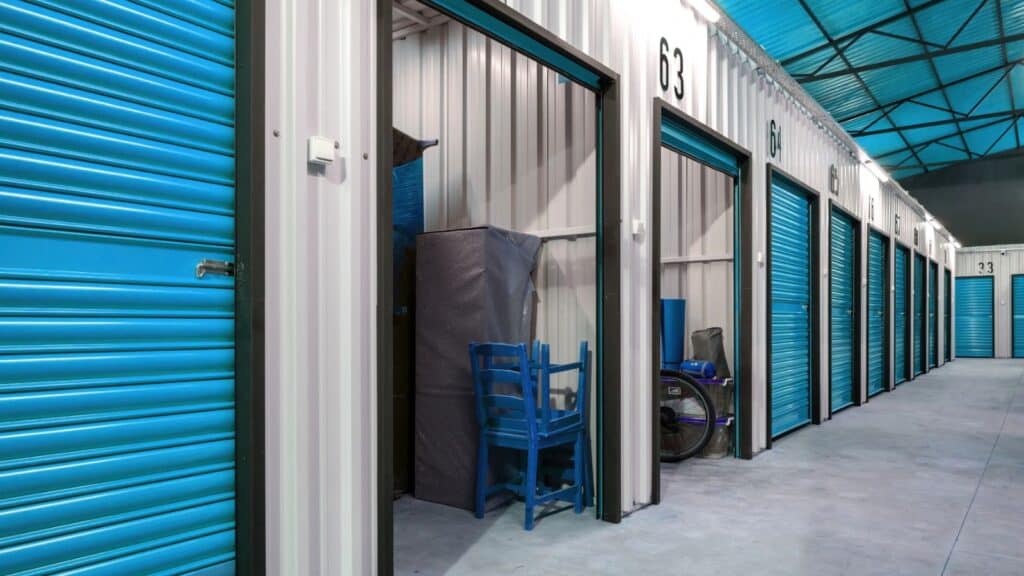
Living in smaller spaces often encourages families to reconsider how many belongings they truly need. Storage units and extra items that once felt necessary may start to feel like unnecessary expenses.
As a result, families often simplify their possessions to fit comfortably within their existing space.
Focusing on Outdoor and Community Spaces

Families who live in smaller homes often rely more on shared spaces like parks, community centers, or nearby recreational areas.
Those environments provide room to spread out without requiring larger private homes.
Redefining What Comfort Looks Like

Comfort once meant having as much room as possible for many households. Today, some families see comfort as having a home that feels financially manageable and less stressful to maintain.
That shift reflects a growing desire for stability rather than expansion.
Feeling Less Pressure to “Upgrade”

In the past, many families felt a quiet expectation to keep upgrading their homes as their income increased.
Now more households are comfortable staying where they are if the home meets their needs and supports their financial goals.
Stability Is Becoming the Priority

Trading space for stability doesn’t necessarily mean families value their homes less. In many cases, it reflects a clearer understanding of what actually contributes to long-term comfort.
By choosing homes that feel financially sustainable, families are building a sense of security that goes beyond square footage.