


Not that long ago, there were certain things people would toss into the cart or pay for without giving the price a second thought. These purchases felt routine, predictable, and easy to fit into the monthly budget. You knew roughly what they cost, and that was usually good enough.
Lately, though, more everyday purchases are getting a second look. Prices that once felt stable have climbed enough that people pause, compare options, or even rethink buying them at all. It does not mean these things disappeared from daily life, but the way people approach them has clearly changed. Here are nine purchases people used to make without checking prices first.
💸 Take Back Control of Your Finances in 2025 💸
Get Instant Access to our free mini course
5 DAYS TO A BETTER BUDGET
Fast Food

Fast food once had a reputation for being the cheapest and quickest way to grab a meal. Many people would stop by a drive-through without worrying much about the total, assuming it would be an affordable option.
Now the price of a simple meal can feel surprisingly high, especially for families or groups. People who once ordered automatically often glance at the menu board more carefully before deciding what to buy.
Coffee From a Coffee Shop
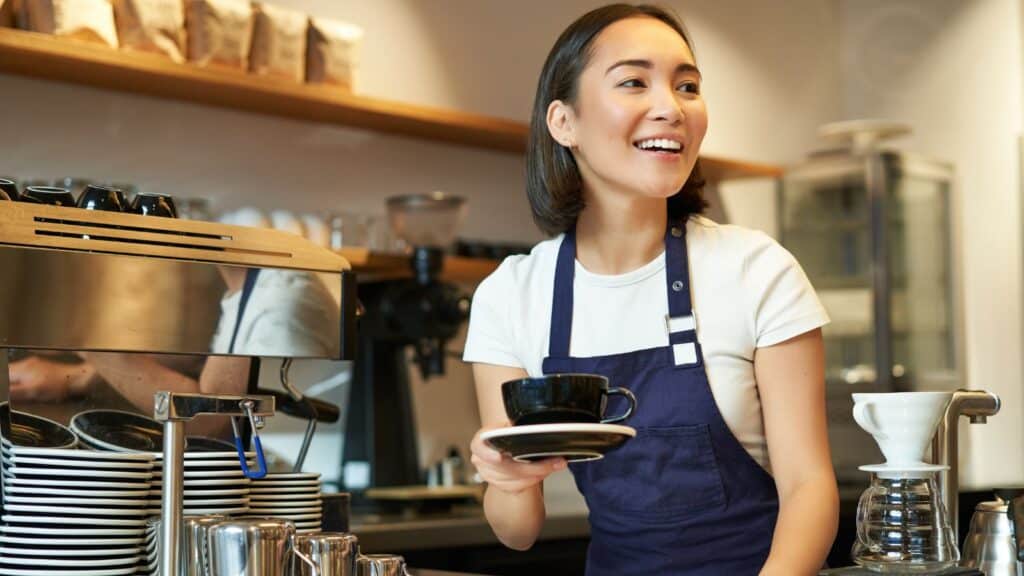
Stopping for coffee used to feel like a small, harmless habit. A few dollars for a cup of coffee did not seem like something worth overthinking.
As prices climbed, though, many people started paying closer attention to what those quick stops actually cost. A routine that once felt minor can add up quickly when the price per cup keeps rising.
Movie Theater Tickets
Going to the movies used to be a casual way to spend an evening. People would decide to see a film and simply buy tickets at the theater without worrying too much about the cost.
These days, ticket prices and concessions together can turn a simple outing into a surprisingly expensive night. Because of that, more people check prices ahead of time or wait for streaming options instead.
Basic Groceries

Items like eggs, milk, bread, and butter once felt so predictable that few people bothered checking the exact price. They were simply part of the weekly grocery routine.
When those everyday staples began fluctuating more noticeably, shoppers started paying closer attention. Even familiar grocery items now prompt people to pause and compare prices.
Streaming Subscriptions

Signing up for streaming services once felt like an easy decision. The monthly cost seemed low enough that many people added services without much thought.
As subscription prices rise and multiple services stack together, households often review those charges more carefully before renewing or adding another one.
Casual Restaurant Meals

Meeting friends for dinner or grabbing takeout used to feel like a normal part of many weekly routines. People would pick a restaurant and order what sounded good without worrying too much about the total.
Now menus often get a closer look before ordering. Higher prices have made many diners more aware of how quickly the bill can grow.
Gas for the Car

Gasoline is something most people need regularly, so filling the tank used to feel like a routine expense. Drivers might notice price changes, but they rarely thought about it before pulling into the nearest station.
With prices fluctuating more dramatically in recent years, many drivers check gas prices more carefully and sometimes go out of their way to find better deals.
Clothing Basics

Buying everyday clothing like jeans, sweaters, or sneakers once felt fairly predictable. Shoppers often assumed the price would fall within a familiar range.
When clothing prices rise or vary widely across stores, people start comparing options more closely before making a purchase.
Household Cleaning Supplies

Cleaning products used to be something people simply grabbed while grocery shopping. They were basic necessities, and most shoppers did not spend much time thinking about the cost.
As prices increase, even these routine purchases receive more attention. People now compare brands, watch for sales, or look for ways to make supplies last longer.
Everyday Spending Looks Different Now

When everyday items start feeling less predictable in price, people naturally adjust how they shop. Purchases that once felt automatic now involve a quick check, a comparison, or a moment of hesitation.
These small changes might seem minor on their own, but together they show how rising costs have reshaped even the most routine spending decisions.