


Certain purchases once seemed reasonable now feel like getting ripped off. You notice the disconnect between value and price. These items used to be normal expenses but crossed into territory where you question paying at all. The shift happened gradually until one day you realized you were done accepting these costs.
Movie Theater Tickets and Concessions
You paid $15 for a ticket and $20 for popcorn and soda without thinking twice. Now the total of $35 to $50 per person feels outrageous. Streaming services offer unlimited content for less than one theater visit.
💸 Take Back Control of Your Finances in 2025 💸
Get Instant Access to our free mini course
5 DAYS TO A BETTER BUDGET
Theater experiences haven’t improved enough to justify prices. You sit in the same seats watching commercials before movies. The sound and picture quality at home narrowed the gap making theater premiums feel excessive.
Families spending $100 to $150 for a single movie outing now skip theaters entirely. You wait for streaming releases. The convenience and cost of home viewing made theater pricing feel like a ripoff.
Cable Television Packages
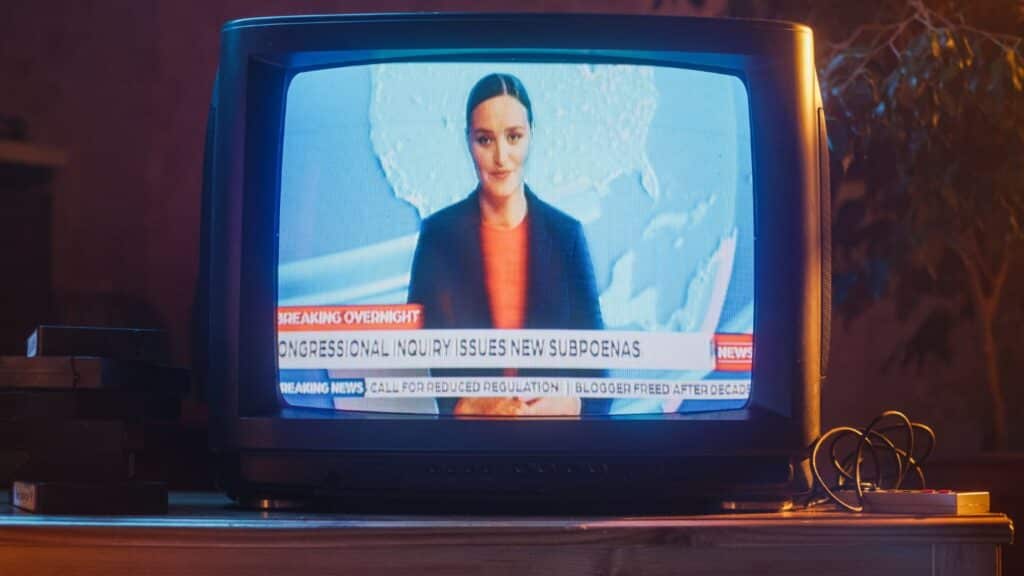
You accepted $120 monthly cable bills as normal. Then streaming showed you could get content for $10 to $15 monthly. Cable companies kept raising prices while providing less value.
The bundle model forcing you to pay for 200 channels to watch 10 feels like a scam. You realized paying $1,440 yearly for cable made no sense when streaming costs $180 annually. The math stopped working.
Cable subscriptions dropped as people recognized the ripoff. You cut cords and never looked back. The industry’s refusal to offer affordable options pushed customers away permanently.
Full-Price Books
You bought hardcover books at $28 to $32 each. Libraries, used bookstores, and ebook sales made full-price purchasing feel absurd. Reading shouldn’t cost $30 per book.
The exact same content exists free at libraries or used for $4. You can’t justify new book prices when alternatives provide identical reading experiences. Publishers maintaining high prices while costs dropped feels like price gouging.
Ebook sales and library apps ended full-price book buying for many readers. You read as much as before while spending 90% less. New hardcovers became luxury items rather than normal purchases.
Airport Food and Drinks
You paid $12 for airport sandwiches and $6 for water bottles. The captive audience pricing crossed from annoying to infuriating. Bringing food through security became standard to avoid ripoff prices.
Nothing justifies $18 for mediocre lunch when the same food costs $8 outside security. You plan ahead packing snacks and empty water bottles. Airport vendors banking on desperation lost customers willing to prepare.
The markups of 200% to 300% feel predatory. You refuse to participate in the airport food ripoff. Advance planning beats paying ransom for basic items.
Hotel Resort Fees and WiFi Charges

You accepted resort fees and WiFi charges as normal hotel costs. Then you realized hotels advertised rates excluding mandatory fees. The deceptive pricing feels like a ripoff.
A $150 room becomes $200 with resort fees and internet charges. You’re paying for amenities that should be included. Hotels nickel and diming guests for basic services created resentment.
Many travelers now choose hotels without resort fees or book vacation rentals. You refuse to accept fees for things like pool access and WiFi that cost hotels pennies. The fees feel like scams rather than legitimate charges.
Brand Name Medications
You bought Advil and Tylenol paying 300% premiums over generics. Then you learned generic ibuprofen and acetaminophen are identical. Paying extra for brand names feels like getting ripped off.
The FDA requires generics to meet the same standards as brands. You get identical medication for $5 instead of $15. Brand name medicine purchases feel foolish once you understand this.
Store brand pain relievers, allergy medicine, and antacids work exactly like expensive brands. You stopped paying brand premiums. The marketing that convinced people brands were better feels like a long con.
ATM Fees for Accessing Your Own Money
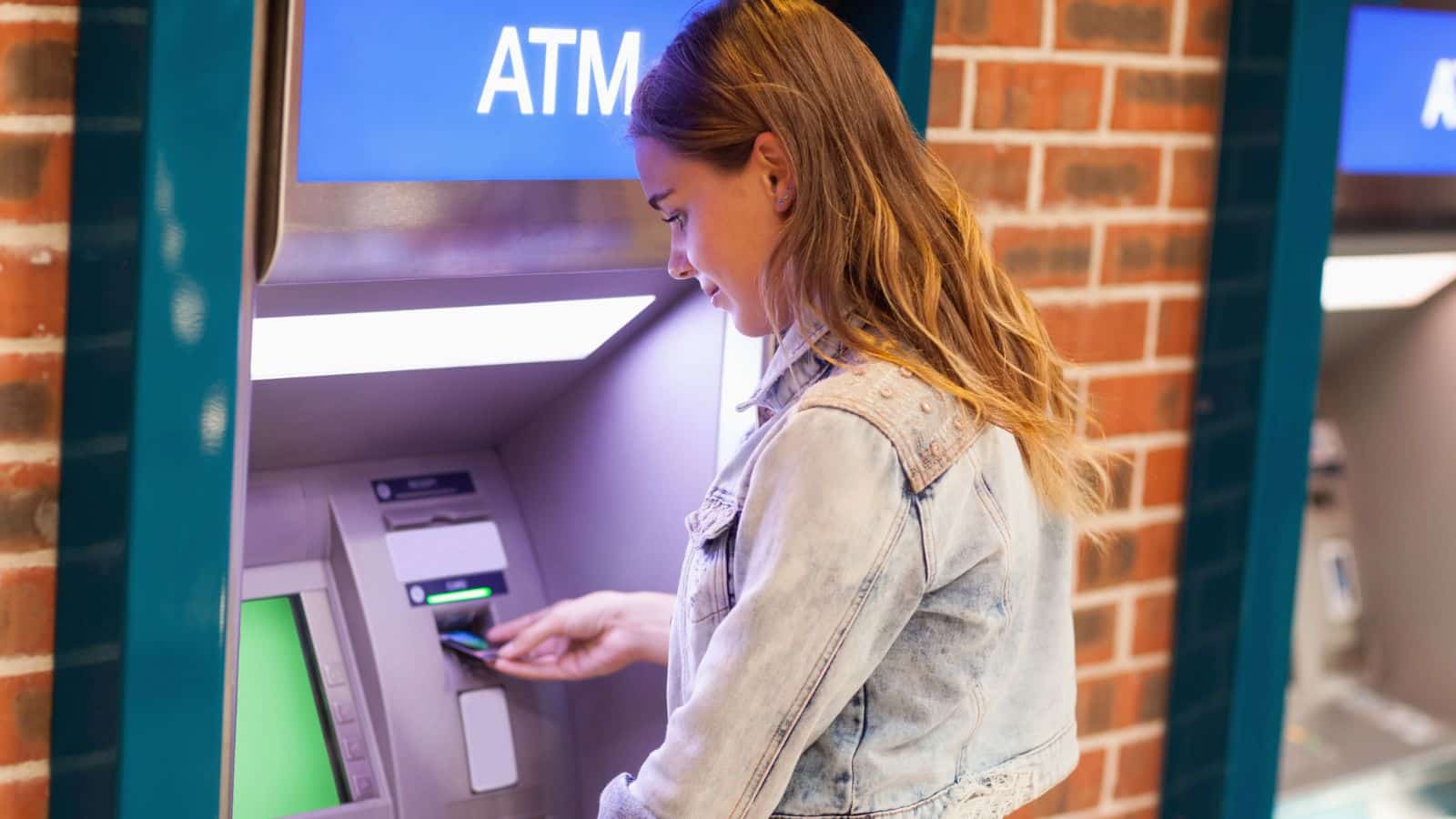
You paid $3 to $5 in ATM fees to access your own money. Banks charging to withdraw your funds feels like a ripoff. Free ATM networks and cash back at stores ended tolerance for these fees.
Paying $4 to get $40 means 10% fees on your money. You plan ahead using in-network ATMs or getting cash back at stores. Out-of-network ATM fees became unacceptable.
Banks eliminated the excuse for ATM fees by offering huge free networks. You refuse to pay fees that shouldn’t exist. The charges feel like pure profit grabs rather than legitimate costs.
Bottled Water at Convenience Stores
You bought $2 to $3 bottled water at gas stations and convenience stores. Reusable bottles filled from taps made this feel like a ripoff. Paying for water in plastic bottles seems absurd.
Tap water costs fractions of pennies per gallon. You’re paying 1,000 times more for convenience store water. The markup combined with environmental waste made bottled water purchases indefensible.
Carrying reusable bottles became standard. You fill up free at water fountains and home taps. Convenience store water bottles represent everything wrong with mindless consumption.
Recognizing the Pattern
These items share common traits. They’re overpriced relative to alternatives. They rely on habit, convenience, or lack of awareness. Once you recognized the ripoffs you couldn’t unsee them.
The shift from acceptance to rejection happened gradually. You realized paying these prices meant accepting being ripped off. Finding alternatives or eliminating these purchases entirely became normal.
This article first appeared on Cents + Purpose.