


Some purchases feel harmless at first, then slowly create regret. People often keep buying them out of habit, convenience, or pressure. Looking back, many say quitting these sooner would have saved money and stress.
Daily Convenience Food

Convenience food fills gaps when schedules feel packed. Over time, the cost becomes impossible to ignore. Breakfast sandwiches, pre-made lunches, and grab-and-go dinners add up fast. People realize they were paying for speed more than enjoyment.
💸 Take Back Control of Your Finances in 2025 💸
Get Instant Access to our free mini course
5 DAYS TO A BETTER BUDGET
Cooking simple meals at home brings spending down without feeling restrictive. Energy improves. Stress drops. Many wish they had broken this habit earlier instead of treating it as normal.
Extended Warranties on Small Purchases

Extended warranties often sound responsible in the moment. Most people never use them. Products either break early under standard coverage or last long enough to outlive the warranty. The added cost rarely delivers value. Many regret paying extra for protection they did not need. Keeping that money would have felt more useful later. This purchase often gets skipped once people notice the pattern.
Trend Driven Clothing

Trendy clothes promise confidence and excitement. The appeal fades quickly. Items get worn once or twice, then pushed aside. People regret chasing trends instead of buying pieces they actually use. Closets fill up while satisfaction drops. Buying fewer clothes with better fit feels more rewarding. Many wish they had stopped trend spending sooner and focused on comfort and wearability.
Subscription Boxes That Pile Up
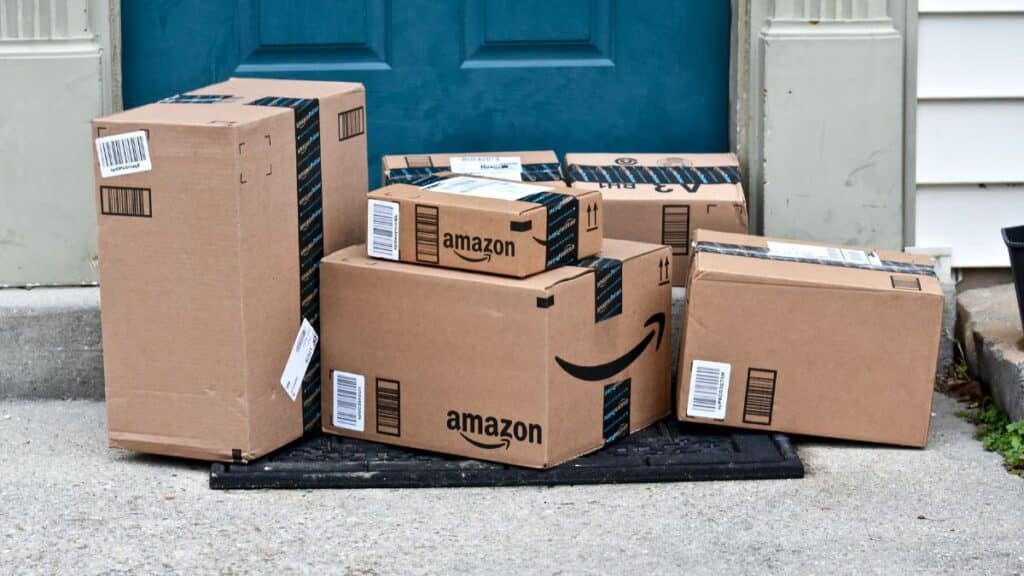
Subscription boxes feel fun at first. Items arrive faster than they get used. Clutter builds. Guilt follows. People forget to cancel and keep paying. Looking back, many say the novelty did not justify the cost. Buying items intentionally feels better than receiving surprises on autopilot. Canceling these boxes often brings immediate relief.
Upgrading Tech Too Frequently

New phones and gadgets promise better performance. Most upgrades deliver small improvements at a high cost. People regret upgrading before it was necessary. Payments linger long after excitement fades. Keeping tech longer saves hundreds without affecting daily use. Many wish they had questioned upgrades instead of accepting them automatically.
Brand Name Household Basics

Brand loyalty often costs more than it delivers. Cleaning supplies, paper goods, and pantry staples work the same across many brands. Paying extra for packaging and marketing feels unnecessary in hindsight. People regret not switching sooner. Store brands lower grocery bills without changing routines. The savings add up quietly over time.
Convenience App Fees

Delivery fees and service charges push simple purchases into expensive territory. People regret how quickly these fees became normal. Picking up orders or planning ahead saves more than expected. Convenience still exists, just with limits. Many wish they had set boundaries earlier instead of paying for urgency.
Decorative Items Bought Without a Purpose

Impulse decor purchases lose appeal fast. Items bought to fill space often end up stored or donated. People regret spending on decor that did not improve daily life. Homes feel calmer with fewer objects. Buying decor with intention feels better than constant refreshing. Many wish they had stopped filling empty spots sooner.
Quitting These Purchases Brings Relief

Most regret comes from spending that never matched real needs. Letting go of these purchases creates space and calm. Money feels lighter when habits change. Quitting sooner would have saved more than cash. It would have reduced stress, too.
11 Purchases Frugal People Avoid Like the Plague

Living a frugal lifestyle isn’t about deprivation; it’s about making smart choices that align with your long-term goals. By being intentional with your spending, you can focus on what truly matters to you and lead a more satisfying and financially stable life. Understanding what not to buy helps you maximize your resources, ultimately bringing you closer to financial peace of mind. Embracing frugality means looking at everyday expenses with a critical eye and deciding which cuts can benefit you most. It’s about avoiding impulse buys and recognizing the value of each dollar. 11 Purchases Frugal People Avoid Like the Plague