


Consumer spending patterns are shifting rapidly. Some categories are seeing sharper declines than economists predicted. These changes reflect both financial pressure and evolving priorities. Here are eight categories where spending has dropped faster than expected.
Clothing and Apparel

Clothing purchases have fallen dramatically. People are buying fewer items and wearing what they own longer. Fast fashion lost its appeal. The constant cycle of new purchases stopped making sense. Wardrobes are shrinking but staying functional.
💸 Take Back Control of Your Finances in 2025 💸
Get Instant Access to our free mini course
5 DAYS TO A BETTER BUDGET
The drop exceeded retail predictions significantly. Stores expected modest declines but got major pullbacks instead. People realized they owned more clothes than needed. Buying less became easier once the habit broke. Thrift stores and clothing swaps replaced retail shopping for many households.
Home Decor and Furnishings

Spending on decorative items and furniture dropped sharply. The pandemic home improvement boom reversed quickly. People stopped redecorating and refreshing spaces. Functional furniture gets kept longer. Decorative purchases nearly stopped.
Retailers anticipated continued strong home spending but faced steep declines. The nesting phase ended abruptly as budgets tightened. Existing furniture serves fine even if styles change. Decorative items became unnecessary expenses. Homes stay functional without constant updates.
Subscription Services

Subscription cancellations accelerated beyond projections. Streaming services, meal kits, beauty boxes, and app subscriptions all faced massive churn. People audited recurring charges and cut aggressively. The subscription economy hit unexpected resistance.
Companies built business models on subscription growth. The reversal caught them unprepared. Consumers realized most subscriptions provided minimal value. Cutting them freed significant monthly money without reducing life quality. The ease of canceling surprised providers who expected stickier customers. Those experiencing subscription fatigue cut more services than analysts predicted.
Restaurant Dining

Restaurant visits dropped faster than the industry expected. Casual dining took the biggest hit. Fast casual and family restaurants saw traffic collapse. People shifted to cooking at home more extensively than projections suggested. The dining out habit changed fundamentally.
Restaurants anticipated returning to pre-pandemic levels. Instead, visits continued declining. The cost of restaurant meals became too obvious compared to home cooking. Families eating out weekly shifted to monthly or less. The industry faces structural changes beyond temporary belt-tightening.
Personal Care Services

Salon visits, spa treatments, and personal care services saw sharp spending drops. Haircuts happen less frequently. Nail appointments get skipped. Professional treatments became occasional luxuries. People extended time between services significantly.
The industry expected slower growth but got actual declines. Customers learned they could go longer between appointments. DIY alternatives replaced some professional services. The frequency of visits dropped permanently for many customers. Services once considered routine became optional.
Hobby and Craft Supplies

Craft stores and hobby retailers faced unexpected spending declines. The pandemic hobby boom ended abruptly. Supplies purchased during lockdowns remain unused. New project purchases stopped. Closets full of supplies discouraged additional buying.
Retailers expected sustained interest in hobbies but demand evaporated. People moved on from pandemic projects without starting new ones. Existing supplies last longer than purchasing patterns suggested they would. The category went from growth driver to struggling segment quickly. Those managing tight budgets cut hobby spending entirely.
Branded Groceries

Name brand grocery sales declined faster than manufacturers anticipated. Store brands captured market share aggressively. The quality gap between brands and generics disappeared in consumer perception. Brand loyalty evaporated under price pressure.
Food companies expected minimal brand switching but got massive migration to generics. Shoppers discovered store brands worked equally well. The premium for branded items couldn’t be justified. Market share shifted dramatically in short periods. Brand recognition stopped driving purchases.
Convenience Products
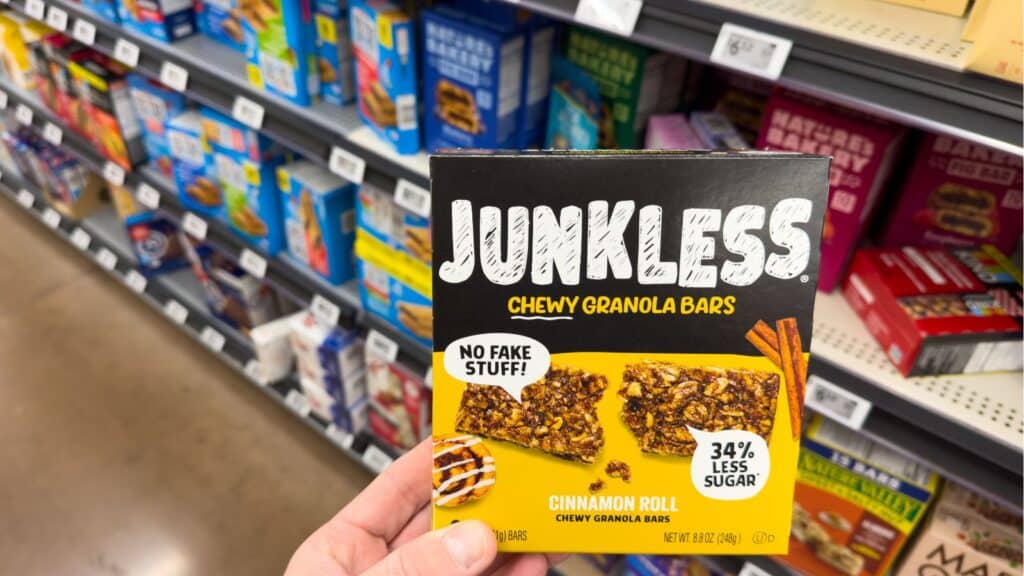
Single-serve items, pre-cut produce, and convenience foods saw spending collapse. People shifted to bulk items and home prep. The convenience premium became unacceptable. Portioning at home replaced buying pre-portioned products.
Manufacturers built product lines around convenience but demand disappeared. Consumers calculated the markup and rejected it. Buying larger quantities and doing prep work at home saved too much money to ignore. The convenience category shrank faster than alternative strategies could be developed.
Deeper Changes Than Forecasted

These declines share important characteristics. They’re not temporary adjustments. They represent fundamental behavior changes. Consumers reevaluated categories and found them wanting. The speed of change caught industries unprepared.
Economic models assumed gradual adjustments and eventual returns to previous patterns. Instead, spending dropped sharply and stayed down. People discovered they didn’t miss what they cut. New habits formed quickly and stuck. The rapidity of change suggests permanent shifts rather than cyclical adjustments. Industries built on certain consumption patterns face structural challenges. Consumer priorities changed faster and more completely than predictions suggested possible.
13 Habits That Are Keeping You Poor (Without Even Realizing it)

It’s easy to blame bad luck or low income for financial struggles, but sometimes, the problem lies in our daily choices. Small habits that feel harmless now can snowball into major money issues later. Recognizing these habits is the first step toward making better financial decisions and building a healthier relationship with money. 13 Habits That Are Keeping You Poor (Without Even Realizing it)