


Consumer spending changed a lot in 2025 as many households adjusted to rising costs and tighter budgets. These shifts show how people rethink their priorities when dealing with inflation, high interest rates, and ongoing uncertainty. The trends highlight new habits and values that will likely stick even after conditions improve.
Experiences Over Objects Accelerated

The shift from buying things to buying experiences intensified throughout 2025. Concert ticket sales, travel bookings, and event attendance increased even as retail spending on goods declined. People prioritized memories and social connections over accumulating possessions.
💸 Take Back Control of Your Finances in 2025 💸
Get Instant Access to our free mini course
5 DAYS TO A BETTER BUDGET
This trend gained momentum despite higher prices for experiences. Taylor Swift’s Eras Tour and similar events sold out instantly at premium prices while department stores struggled.
Younger consumers especially drove this pattern. They spent heavily on festivals, trips, and dining experiences while cutting back on clothing and home goods. The preference for experiences over accumulation represents a fundamental value shift rather than temporary adjustment.
Subscription Fatigue Hit Critical Mass

Americans finally revolted against subscription overload in 2025. The average household carried eight to twelve subscriptions entering the year. By year end many had cut that number in half. The cumulative cost became impossible to ignore as budgets tightened.
Streaming services faced the brunt of cancellations. Netflix, Disney+, Hulu, and others saw subscriber losses as people rotated services rather than maintaining all simultaneously. The strategy of subscribing for specific content then canceling became normalized.
Beyond entertainment subscriptions faced scrutiny. Meal kits, beauty boxes, and app subscriptions got eliminated. The subscription model that seemed convenient revealed itself as expensive. People discovered they valued ownership and one-time purchases over perpetual payments.
Discount Retailers Gained Premium Customers
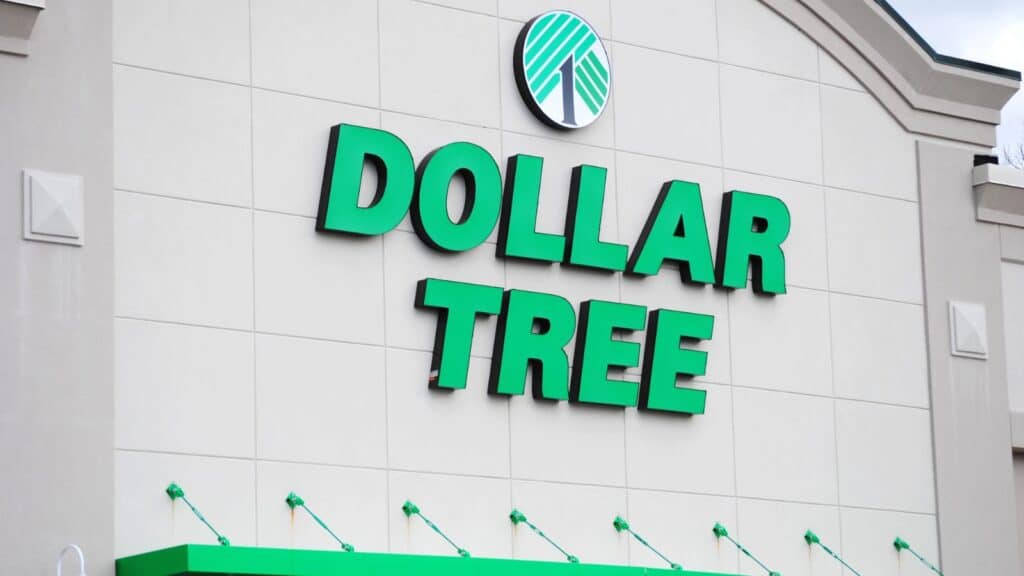
Dollar stores, outlet malls, and discount chains saw unprecedented growth from middle and upper-middle class shoppers in 2025. Economic pressure pushed consumers who previously avoided these stores to reconsider their prejudices.
The stigma around discount shopping evaporated. People openly discussed their Dollar General finds and TJ Maxx scores. Social media influencers created content about budget shopping at stores they previously ignored. The shift represented practical adaptation rather than temporary slumming.
Traditional retailers struggled as customer bases migrated downmarket. Target and similar mid-tier stores faced declining traffic while discount chains expanded rapidly. The trading down behavior that began during inflation continued as habits solidified regardless of income levels.
DIY and Repair Culture Resurged

YouTube tutorials on fixing appliances, repairing clothing, and home maintenance exploded in popularity throughout 2025. The throwaway culture that dominated previous decades reversed as economic necessity forced people to extend product lifespans.
Repair cafes and tool libraries saw increased membership. Communities organized swap meets and skill-sharing events. The knowledge that previous generations possessed about maintaining possessions became valuable again as replacement costs exceeded repair costs by wider margins.
This trend extended beyond necessity into identity. People took pride in repair skills and resourcefulness. The environmental benefits aligned with economic incentives creating momentum that sustained the shift beyond immediate financial pressure.
Used and Resale Markets Exploded

Secondhand shopping became mainstream in 2025 across all demographic groups. ThredUp, Poshmark, Facebook Marketplace, and similar platforms saw record activity. The used market for everything from clothing to electronics to furniture thrived.
The acceptance of buying used eliminated previous status concerns. Younger consumers especially viewed secondhand shopping as savvy rather than shameful. The combination of economic pressure and environmental consciousness made pre-owned purchases feel responsible rather than desperate.
Selling unwanted items became normal income supplementation. People monetized closets, garages, and storage units. The circular economy grew as items changed hands multiple times rather than being discarded. Resale value influenced new purchase decisions as people considered future marketability.
Generic Brands Achieved Parity

Store brands and generic products captured massive market share in 2025 as quality gaps narrowed while price differences remained substantial. Consumers discovered that many generic products matched or exceeded name brand quality at fractions of the cost.
The psychological barrier against store brands crumbled. People stopped paying premiums for familiar labels once they experienced equivalent quality elsewhere. Grocery spending shifted dramatically toward private label products saving households 20% to 30% on routine purchases.
This trend extended beyond groceries into pharmaceuticals, household products, and personal care items. The realization that branding often represented pure markup rather than quality difference changed purchasing behavior permanently. Generic alternatives became default choices rather than budget compromises.
Convenience Spending Collapsed

The premium prices for convenience that consumers accepted readily in previous years faced rejection in 2025. Delivery fees, service charges, and convenience markups suddenly seemed unreasonable as budgets tightened and awareness increased.
Food delivery app usage declined sharply. According to LendingTree research, delivery costs average 79.5% more than pickup. This markup became unacceptable to budget-conscious consumers who shifted to pickup or cooking at home.
Convenience stores, quick service options, and premium grocery delivery services all saw decreased traffic. People rediscovered that planning ahead and doing things themselves saved substantial money. The convenience culture that defined recent years reversed as consumers prioritized savings over time savings.
Adaptation Becomes Permanent

These spending shifts initially emerged from economic necessity. As 2025 progressed they evolved into lasting behavioral changes supported by new values and social norms. The economy forced experimentation that revealed better approaches to consumption.
The trends share common themes. People discovered satisfaction in experiences rather than possessions. They rejected subscriptions and convenience charges that drained budgets invisibly. They embraced secondhand markets, generic brands, and self-sufficiency that previous prosperity made seem unnecessary.
Economic pressure created opportunities to question consumption patterns that had become habitual rather than intentional. The resulting changes improved financial stability while often enhancing quality of life. As these behaviors normalize they represent fundamental shifts in American consumer culture that will define spending patterns for years beyond 2025 regardless of economic conditions.
This article first appeared on Cents + Purpose.