


Financial decisions rarely feel careless in the moment. Most people believe they are acting reasonably, even when spending later causes stress or regret. The problem is that responsibility often gets shifted elsewhere, onto systems, habits, expectations, or future versions of ourselves, which makes choices feel less intentional than they really are.
Modern money systems make this easier than ever by reducing friction and blurring accountability. Here are thirteen common ways people outsource responsibility for their financial choices, often without realizing it.
💸 Take Back Control of Your Finances in 2025 💸
Get Instant Access to our free mini course
5 DAYS TO A BETTER BUDGET
Letting Autopay Make the Decision

Autopay removes the need to actively approve spending each month, which is exactly why it feels so appealing. Bills get paid, subscriptions stay active, and nothing feels urgent enough to question.
Over time, people stop evaluating whether the expense still makes sense. When money feels tight, frustration gets directed at the bill instead of the lack of review. Convenience replaces awareness, and responsibility quietly fades.
Blaming Subscriptions Instead of Reviewing Usage

Subscriptions are easy to resent once the charge feels annoying, especially when they no longer get used. It feels natural to blame the service for continuing to bill.
The reality is that the subscription only exists because it was never reassessed. Avoiding the decision to cancel becomes the default choice. Responsibility shifts to the company instead of staying with the user.
Treating Credit Like Delayed Payment

Credit often feels like a timing tool rather than borrowed money. Swiping a card creates distance between the purchase and its true cost.
When balances grow, people blame interest rates or minimum payments. The original spending decision feels far away. Viewing credit as a delay instead of a loan makes accountability easier to avoid.
Assuming Fees Are Just Part of Life

Service fees, processing charges, and add-ons often feel unavoidable once they appear. Many people treat them as fixed costs rather than optional participation.
Blaming the system feels justified, but continuing to pay reinforces it. Responsibility quietly shifts from decision-making to resignation. Avoiding the fee entirely often feels harder than paying it.
Letting Social Expectations Drive Spending

Group trips, weddings, gifts, and celebrations create pressure that feels external. Spending gets framed as obligation rather than choice.
When finances feel strained, people blame the situation instead of the decision to participate fully. Social pressure feels powerful, but it does not remove agency. Recognizing that distinction changes how money gets handled.
Using Convenience as an Excuse
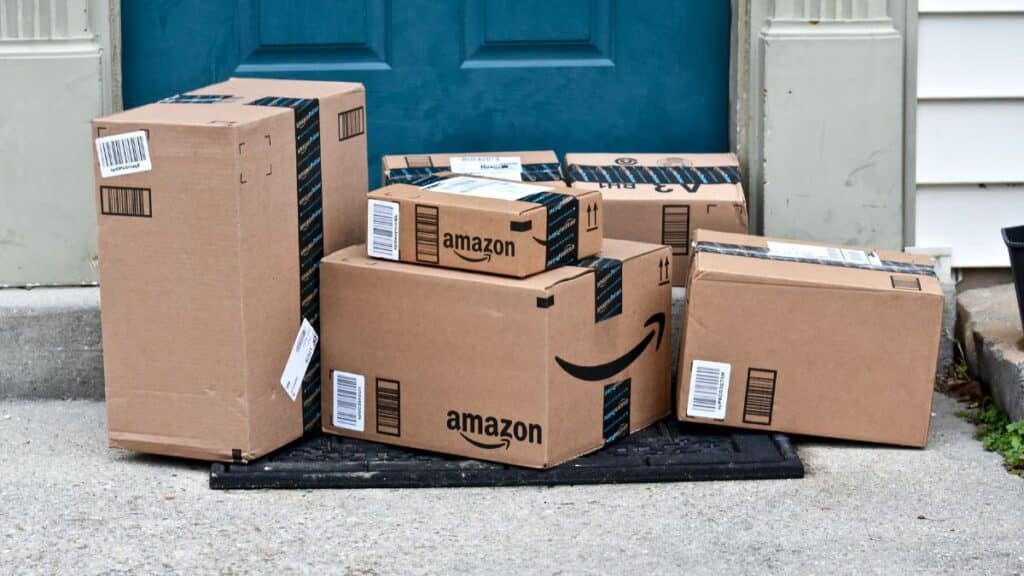
Delivery, upgrades, and shortcuts often feel necessary during busy periods. Spending feels justified because time feels scarce.
When costs pile up, people blame their schedule or stress levels. Convenience has value, but it also has a price. Avoiding responsibility comes from not acknowledging the tradeoff directly.
Trusting Marketing Over Personal Needs

Marketing frames products as solutions to problems people may not actually have. Recommendations feel personalized even when they are broadly targeted.
When purchases disappoint, people blame misleading ads. The responsibility to evaluate whether something is truly needed gets outsourced to messaging designed to sell. Awareness brings that responsibility back.
Ignoring Small Purchases Because They Feel Insignificant

Small purchases often feel harmless because they rarely cause immediate consequences. Snacks, upgrades, and impulse buys blend into daily routines.
When totals add up, people blame inflation or bad luck. The truth is that repetition gives weight to small choices. Responsibility gets lost when frequency is ignored.
Treating Budgets as Flexible Suggestions

Budgets often exist as guidelines that are easy to override. Adjustments feel minor when they happen one category at a time.
People blame the budget for being unrealistic rather than acknowledging how often it gets bent. Responsibility fades when limits are treated as optional. Revising the budget honestly restores clarity.
Expecting Future Income to Fix Present Choices

Future raises, bonuses, or side income often get used to justify current spending. The assumption creates emotional distance from today’s impact.
When future income does not arrive as expected, frustration follows. The spending already happened. Grounding decisions in current reality keeps responsibility where it belongs.
Letting Loyalty Replace Evaluation

Staying loyal to brands or services feels easier than reassessing value. Familiarity creates comfort even when costs rise.
When prices increase, people blame the company while continuing to pay. Responsibility gets outsourced to habit. Re-evaluation is the missing step.
Assuming Financial Stress Means You Are Bad With Money

Self-blame can become a way to avoid examining systems, habits, or choices. Labeling yourself as bad with money feels easier than unpacking patterns.
Responsibility gets misplaced onto identity rather than behavior. This keeps change out of reach. Clarity comes from separating who you are from what you do.
Believing Someone Else Will Eventually Fix It

Some people assume employers, systems, or future circumstances will improve things automatically. That belief delays action.
When relief does not come, frustration grows. Responsibility was never transferred back. Taking ownership does not mean doing everything alone, but it does mean not waiting passively.
Outsourcing responsibility for financial choices rarely feels intentional. It happens through convenience, pressure, and habit. Bringing responsibility back into focus does not require perfection, only awareness. When choices are owned, money decisions feel clearer and far less frustrating.
Featured on Cents + Purpose: