


Consumer spending patterns reveal economic shifts before official data catches up. People adjust their habits when they sense financial trouble ahead. These behavioral changes often signal broader economic slowdowns months before economists confirm them.
Premium Grocery Items Are Being Swapped for Basics

Shoppers are trading down across grocery aisles. Organic produce gets replaced with conventional. Premium cuts of meat give way to cheaper options. Name brand items lose shelf space to generics. These switches happen quietly but consistently across income levels.
💸 Take Back Control of Your Finances in 2025 💸
Get Instant Access to our free mini course
5 DAYS TO A BETTER BUDGET
The shift isn’t about preference. People still want quality products but choose affordability instead. Grocery carts tell the story of households feeling financial pressure. When premium items routinely get swapped for budget alternatives, disposable income has contracted.
This trading down accelerates as economic concerns grow. What starts with a few items spreads to entire shopping lists. The pattern suggests consumers are preparing for tighter times ahead by cutting costs now.
Restaurant Spending Has Shifted Toward Fast Casual

Fine dining reservations are down. Casual restaurants see softer traffic. Fast casual chains are holding steady or growing. Consumers still eat out but trade down to cheaper options. The shift reveals budget consciousness even in discretionary spending.
People who regularly visited sit-down restaurants now choose counter-service alternatives. Those who frequented fast casual places now hit drive-throughs more often. Each step down the dining hierarchy saves money while maintaining some convenience.
When restaurant spending consistently moves toward cheaper categories, households are managing tighter budgets. Dining habits change gradually, making the trend easy to miss. But the sustained movement down-market signals financial stress spreading across consumer segments.
Entertainment Subscriptions Face Increased Scrutiny
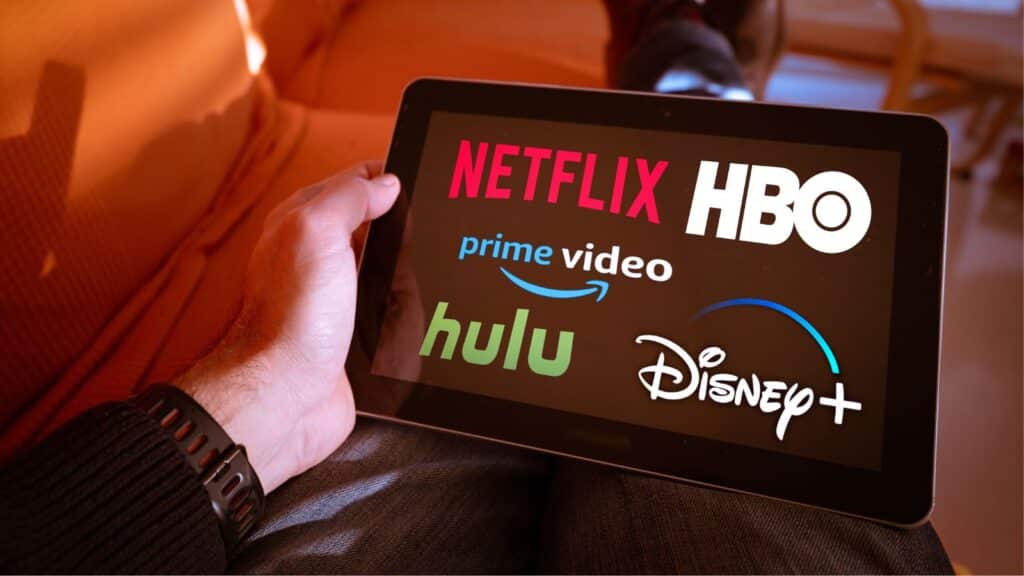
Streaming services are losing subscribers steadily. Gym memberships get canceled. Subscription boxes sit unused before getting cut. Consumers are evaluating every recurring charge and eliminating anything non-essential. The subscription economy faces its first real contraction.
Services that seemed affordable at $10 or $15 monthly now feel excessive. When households carry five or six subscriptions, the total becomes substantial. Cutting two or three subscriptions frees up $30 to $50 monthly for other needs.
This systematic elimination of recurring expenses indicates people are scrutinizing budgets more carefully. Optional spending gets cut first. When subscription cancellations accelerate across multiple categories, consumers are preparing for sustained financial pressure.
Discretionary Healthcare Gets Postponed

Dental cleanings get rescheduled. Elective procedures get delayed. Specialist visits are skipped unless absolutely necessary. Consumers are making calculated decisions about which healthcare to defer when money feels tight.
Routine preventive care provides long-term benefits but doesn’t feel urgent. When finances tighten, these appointments get pushed back. The pattern repeats across millions of households, creating noticeable drops in healthcare utilization for non-emergency services.
Healthcare spending is relatively stable during normal times. When discretionary medical care gets consistently delayed, financial pressure has reached the point where people sacrifice future health for current budget relief. This behavior signals serious economic concern.
Travel Plans Are Getting Scaled Back Significantly

International trips get replaced with domestic vacations. Flights give way to road trips. Hotels become camping. The travel industry sees consistent trading down as consumers maintain some vacation activity while spending far less.
Families still want breaks and experiences but adapt plans to fit tighter budgets. The shift from premium to budget travel happens gradually but persistently. Vacation spending drops even while vacation-taking continues at somewhat normal levels.
When travel budgets contract systematically, discretionary income has shrunk. People prioritize experiences but demonstrate through spending that money is tighter. The pattern indicates consumers believe financial constraints will persist.
Big-Ticket Purchases Face Extended Delays

Car purchases get postponed. Home buying falls. Major appliances get repaired instead of replaced. Furniture purchases are delayed indefinitely. Consumers are avoiding large financial commitments across categories.
This delay pattern reflects both affordability challenges and economic uncertainty. High prices make purchases difficult. Economic anxiety makes long-term commitments feel risky. The combination freezes major spending as people wait for better conditions.
When big-ticket purchases stall broadly across the economy, consumer confidence has deteriorated significantly. These purchases require either savings or credit. Widespread delays suggest both are constrained and people expect conditions to worsen before improving.
Clothing and Apparel Spending Has Dropped

Retail clothing sales show persistent weakness. Consumers are making existing wardrobes last longer. New clothing purchases happen only when necessary. Fashion and trend-driven buying has decreased noticeably across demographics.
This spending category usually responds quickly to financial stress. Clothing is important but purchases can be delayed. When people consistently skip clothing updates, they’re redirecting money toward more pressing needs.
The sustained decline in apparel spending signals consumers are cutting discretionary purchases broadly. Clothing sits between essential and luxury spending. Cuts here indicate budget pressure has moved beyond obvious luxuries into everyday purchases.
Home Improvement Projects Are Being Shelved

Renovation plans get postponed. Upgrades and remodeling projects are delayed. Home improvement retailers report softer sales. Consumers are avoiding projects that require significant cash outlays or financing.
Homeowners still need to maintain properties but are limiting spending to essential repairs. The discretionary projects that improve comfort or aesthetics get pushed back indefinitely. This spending freeze reflects both tight budgets and uncertainty about home values.
When home improvement spending contracts, homeowners are conserving cash and avoiding debt. These projects often get funded through savings or home equity. Declining activity suggests both sources have become less accessible or people are reluctant to tap them.
Personal Care Services Face Reduced Frequency

Haircuts get stretched from six weeks to eight or ten. Salon visits decrease in frequency. Spa services and personal grooming appointments are spaced out more. Consumers still maintain appearances but visit professionals less often.
These services represent regular discretionary spending that’s easy to reduce. Skipping one visit per quarter saves money without dramatic lifestyle changes. The cumulative effect across millions of consumers impacts service businesses noticeably.
Reduced frequency in personal care spending indicates people are finding small ways to cut costs everywhere. These aren’t large savings individually but demonstrate systematic budget tightening. When self-care spending drops, financial pressure has become constant background stress.
Electronics and Technology Upgrades Slow Down

Phone upgrade cycles are extending. Computer purchases get delayed. The latest gadgets sit on shelves longer. Consumers are making existing technology last longer rather than chasing the newest models.
Technology spending was somewhat recession-proof in past decades. Now it responds to financial pressure like other discretionary categories. The shift suggests either technology has become less important to consumers or budgets have tightened enough that even previously prioritized spending gets cut.
When technology purchases slow broadly, consumers are conserving cash across all spending categories. This represents a significant behavioral shift indicating deep financial concern about the near future.
Charitable Giving Has Declined Noticeably

Donations to nonprofits are down. Charitable organizations report reduced contributions across donor levels. People still support causes they care about but give less or less frequently. Financial pressure impacts even altruistic spending.
Charitable giving tends to be resilient during mild economic stress. Significant declines indicate financial constraints have reached the point where discretionary giving becomes difficult. This spending category gets cut reluctantly, making the reduction particularly meaningful.
When charitable contributions drop substantially, household budgets are stretched to breaking points. People prioritize their own financial survival over supporting others. This shift signals widespread financial stress across communities.
Pet Care Spending Shows Signs of Strain

Veterinary visits decrease except for emergencies. Premium pet food gets swapped for standard options. Pet grooming frequency drops. Even spending on beloved pets faces budget pressure as financial stress builds.
Pet owners typically prioritize their animals’ needs highly. When pet care spending declines noticeably, household finances are extremely tight. This spending often gets maintained longer than other discretionary categories because of emotional attachment.
Reductions in pet-related spending represent a late-stage indicator of financial stress. If budgets are tight enough to impact pet care, consumers have already cut most other discretionary spending. This pattern suggests financial pressure has intensified significantly.
Luxury and Premium Brands Lose Market Share

High-end retailers report softer sales. Premium brands see declining purchases. Even affluent consumers are trading down to mid-tier alternatives. The luxury market is contracting as economic uncertainty spreads across income levels.
Wealthy consumers typically maintain spending during early economic stress. When even luxury brands feel pressure, economic concerns have reached upper income brackets. This broad-based trading down indicates financial anxiety isn’t limited to middle and lower income households.
The luxury market slowdown suggests wealthy consumers are anticipating broader economic problems. They’re preserving capital and reducing unnecessary spending. When spending cuts reach the affluent, a significant slowdown is likely already underway.
Connecting the Spending Patterns

These spending changes collectively paint a picture of consumers preparing for harder times. Each shift alone might not signal much. Together they demonstrate systematic behavior change driven by economic anxiety and tighter household budgets.
The patterns span income levels and spending categories. Nobody is immune to the adjustments happening across the economy. From basic groceries to luxury goods, spending is contracting as consumers conserve resources and delay commitments.
Consumer spending drives the majority of economic activity. When spending patterns shift this dramatically across so many categories, a broader economic slowdown is either happening or about to happen. These behavioral changes serve as early warning signals that official economic data will eventually confirm.
10 Money Rules You Were Taught That No Longer Work Today

Money management advice that worked 20 or 30 years ago is outdated in today’s fast-moving economy. You’ve got to rethink how you save, spend, and invest if you want to stay ahead. Here are 10 old money rules that don’t cut it anymore.
Read it Here: 10 Money Rules You Were Taught That No Longer Work Today