


Consumer spending habits often tell you more than any formal report. The way people choose to spend shows real shifts happening in the economy. These thirteen changes offer a clear look at where things seem to be heading.
Generic Brands Are Gaining Market Share Rapidly

Store brands are taking shelf space from major labels at record rates. Shoppers who once insisted on name brands now grab generics without hesitation. The quality gap has narrowed while the price difference remains significant. This shift crosses all income levels and product categories.
💸 Take Back Control of Your Finances in 2025 💸
Get Instant Access to our free mini course
5 DAYS TO A BETTER BUDGET
Retailers are noticing the change in their sales data. Generic products are moving faster than premium alternatives. The trend accelerated during inflation but hasn’t reversed as prices stabilized. Consumers discovered that many store brands match or exceed name-brand quality at fraction of the cost.
This behavioral shift signals that brand loyalty has weakened considerably. Price consciousness now trumps marketing and packaging. When people choose generic over branded products consistently, it indicates lasting changes in how they value purchases.
Buy Now, Pay Later Services Are Exploding
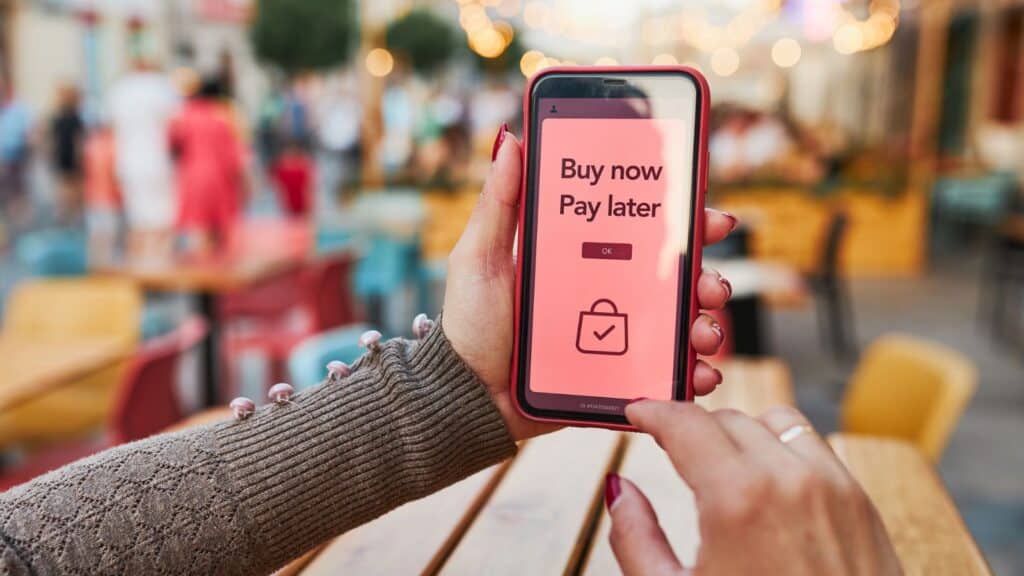
Payment plans for everyday purchases have become normalized. Services like Affirm, Klarna, and Afterpay are everywhere. People split payments on groceries, clothing, and small electronics. What used to require a credit card now gets financed through installment plans.
The rapid adoption reveals underlying financial strain. When consumers need payment plans for routine purchases, disposable income has clearly tightened. These services make spending feel more manageable but often mask the reality of overstretched budgets.
Retailers push these options because they increase conversion rates. Shoppers buy more when they can delay payment. But the widespread reliance on financing basic purchases suggests many people are living right at the edge of their means.
Discount Retailers Are Seeing Record Traffic

Dollar stores, outlet malls, and discount chains are packed while traditional retailers struggle. Bargain hunting has moved from occasional activity to regular practice. Customers who previously shopped at mid-tier stores now start their search at discount locations.
The traffic patterns show a fundamental shift in shopping priorities. People want value above all else. Brand prestige and shopping experience matter less than getting the lowest price. Even affluent shoppers are mixing discount finds into their purchases.
This migration to discount retailers indicates sustained economic pressure across income brackets. When discount chains outperform traditional retail consistently, consumer confidence in their financial situation has declined.
Subscription Services Are Getting Canceled in Waves

Streaming platforms, meal kits, and subscription boxes are losing customers steadily. People are evaluating every recurring charge with fresh scrutiny. Services that seemed affordable individually feel excessive when added together. The great subscription purge is underway.
Households that once maintained five or six streaming services now keep one or two. Convenience subscriptions get cut entirely. The math no longer works when budgets are tight. Each monthly charge becomes a potential saving opportunity.
The subscription economy boomed when money felt abundant. Now that finances feel stretched, these recurring expenses are the first to go. The cancellation wave signals that discretionary spending has contracted significantly.
Used and Refurbished Products Are Trending Up

Secondhand markets are thriving across categories. Used cars, refurbished electronics, and thrift store clothing all see increased demand. The stigma around buying used has faded. Consumers now actively seek pre-owned options before considering new purchases.
Resale platforms like Poshmark, Mercari, and Facebook Marketplace report strong growth. People both buy and sell more on these platforms. The circular economy is expanding because new products feel overpriced and used items represent better value.
This behavioral shift extends beyond budget constraints. Environmental concerns and value consciousness both play roles. But the dramatic growth in secondhand purchases primarily reflects economic adaptation to higher prices and lower purchasing power.
Dining Out Frequency Has Dropped Sharply

Restaurant traffic remains below pre-pandemic levels despite full reopening. Families that ate out multiple times weekly now limit it to special occasions. Fast food has lost its position as a cheap, convenient option. Home cooking has made a sustained comeback.
The restaurant industry feels the squeeze across all segments. Fine dining, casual restaurants, and quick service all report softer demand. Menu prices climbed so high that eating out no longer fits regular budgets for many households.
When restaurant visits decline persistently, it signals reduced discretionary spending and lifestyle adjustments. Dining out serves as a reliable economic indicator because it’s one of the first luxuries people cut.
Bulk Buying and Warehouse Shopping Have Surged

Costco and Sam’s Club memberships are growing rapidly. Consumers buy larger quantities to reduce per-unit costs. Pantry stockpiling has become standard practice. The upfront cost is higher but the long-term savings justify the approach.
This shopping pattern requires both planning and available cash. People must have money to buy in bulk and space to store purchases. The surge in warehouse shopping shows consumers are thinking strategically about stretching dollars further.
The shift also indicates concern about future price increases. When people stockpile essentials, they’re hedging against continued inflation. This behavior reflects anxiety about economic stability and personal financial security.
Luxury Goods Sales Show Dramatic Polarization

High-end retailers report split results. Ultra-luxury items still sell to wealthy consumers. But accessible luxury and aspirational brands are struggling. The middle is disappearing from the luxury market.
Consumers either have money for true luxury or they’ve dropped out of the category entirely. The aspirational purchases that once drove brands like Coach and Michael Kors have declined sharply. People aren’t stretching for luxury anymore.
This polarization reflects growing wealth inequality. The rich continue spending while the middle class cuts back on premium purchases. When luxury markets split this way, economic divergence between income groups is widening.
DIY and Home Repair Attempts Are Increasing

YouTube tutorials on home repair get millions of views. Hardware stores report strong sales of tools and materials. People are attempting fixes they would have hired professionals to handle previously. The DIY movement is partly economic necessity.
Professional services have gotten expensive. Plumbers, electricians, and handymen charge rates that shock homeowners. Many people conclude that learning to do repairs themselves is worth the effort and occasional mistakes.
This trend toward self-service maintenance indicates that service economy prices have exceeded what many consumers will pay. When people take on unfamiliar tasks to save money, professional services have become unaffordable luxuries.
Private Label Credit Card Usage Is Rising

Store credit cards and financing options are being accepted more frequently. Retailers push these cards because they drive loyalty and spending. Consumers take them for the discounts and payment flexibility. The growth in store credit signals tighter household finances.
These cards often carry high interest rates and limited utility outside specific retailers. The fact that adoption is growing anyway shows people need any available payment flexibility. Cash flow has become more important than optimal credit terms.
Increased reliance on retailer financing suggests mainstream credit cards are maxed out or consumers are actively seeking ways to manage cash flow challenges. This behavior points to financial stress beneath the surface.
Entertainment Spending Has Shifted to Low-Cost Options

Movie theater attendance remains soft while streaming dominates. Expensive concerts get skipped for free community events. Entertainment budgets favor low-cost or free activities over premium experiences. The shift is pronounced and persistent.
Families now seek entertainment that provides value without high costs. Parks, hiking, free festivals, and at-home activities replace paid entertainment. The change reflects both budget constraints and evolving priorities about how to spend leisure time.
When entertainment spending contracts toward cheaper options, discretionary income has clearly declined. People still want fun and relaxation but can’t justify premium prices for experiences they once enjoyed regularly.
Health and Wellness Spending Faces Scrutiny

Gym memberships get canceled. Boutique fitness classes lose members. Premium supplements and wellness products sit on shelves. The wellness industry boomed for years but now faces consumer resistance to high prices.
People still value health but are finding cheaper alternatives. Home workouts replace gym memberships. Walking replaces paid fitness classes. The expensive wellness industry built around premium pricing is contracting.
This pullback in wellness spending shows that even health-related purchases face budget cuts. When consumers deprioritize fitness memberships and wellness products, financial pressure has reached categories once considered essential.
Delayed Major Purchases Are Becoming Normal

Car purchases get postponed. Home buying falls. Major appliances get repaired instead of replaced. Consumers are delaying significant purchases across categories. The willingness to wait signals both economic caution and affordability challenges.
Big-ticket items require either savings or credit. Many people lack both right now. Interest rates make financing expensive. Savings have been depleted by inflation. The result is widespread delay of purchases that would normally happen on predictable cycles.
When major purchases stall across the economy, it indicates deep consumer uncertainty about financial futures. People don’t make big commitments when they feel economically insecure. This behavior change suggests lasting shifts in consumer confidence.
Reading the Economic Signs
These behavioral shifts collectively paint a picture of economic transformation. Consumers are adapting to new financial realities through changed spending patterns. The adjustments span all categories and income levels, though impacts vary by group.
The changes aren’t temporary reactions to short-term problems. Many of these behaviors have persisted long enough to represent permanent shifts. Consumers have learned new habits and discovered alternatives that work better in the current environment.
Understanding these patterns helps predict where the economy is headed. Consumer behavior leads economic data by months. When spending patterns change this dramatically across so many categories, the economy is fundamentally different than it was just a few years ago.
10 Money Rules You Were Taught That No Longer Work Today

Money management advice that worked 20 or 30 years ago is outdated in today’s fast-moving economy. You’ve got to rethink how you save, spend, and invest if you want to stay ahead. Here are 10 old money rules that don’t cut it anymore. 10 Money Rules You Were Taught That No Longer Work Today