


It’s easy to point the finger at a company when a bill feels high or a bank balance looks lower than you expected. Corporations are large, profitable, and often impersonal, so they make convenient targets.
Sometimes the blame is justified. Prices rise. Fees increase. Services change. But in a lot of everyday situations, the frustration we feel has more to do with our habits than with corporate strategy. That part is harder to admit because habits are personal. Here are twelve things people often blame companies for, even when their own patterns play a bigger role.
💸 Take Back Control of Your Finances in 2025 💸
Get Instant Access to our free mini course
5 DAYS TO A BETTER BUDGET
“The Grocery Store Is Robbing Me”

Food prices have gone up, and there’s no denying that. At the same time, many shoppers stick to the same brands, the same convenience items, and the same impulse purchases every week without ever adjusting their approach.
When you walk in without a plan, grab what looks good, and avoid comparing prices, the total will reflect that. Blaming the store feels easier than acknowledging how often you shop hungry, skip the sale items, or refuse to swap out premium brands.
“Streaming Services Are Out of Control”
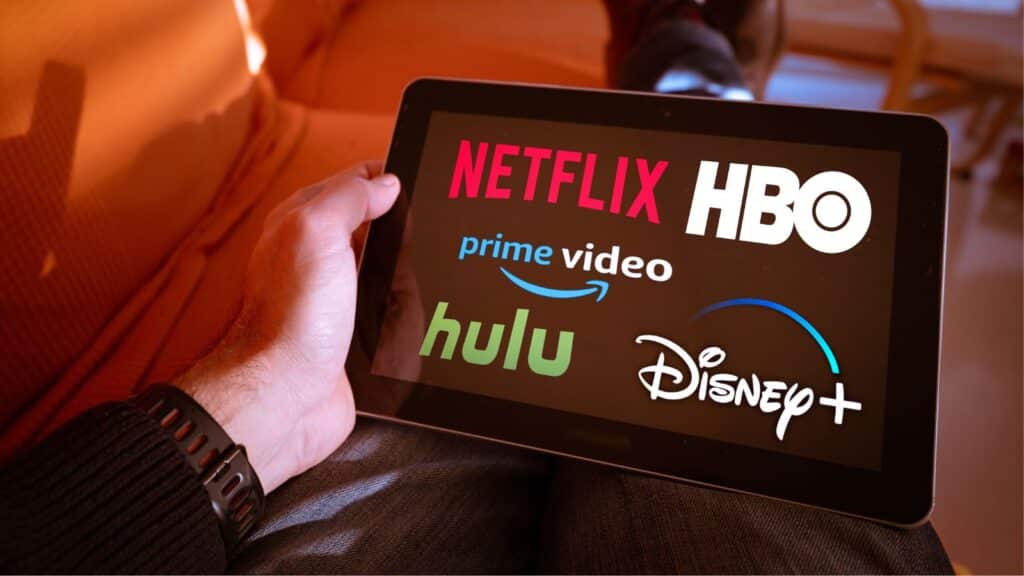
Subscription prices have climbed, and companies absolutely know that convenience keeps people enrolled. What often goes unexamined is how many platforms someone is paying for at once.
If you are subscribed to five or six services and rarely cancel when a show ends, the monthly total reflects that choice. The frustration usually comes from the combined cost, not from one single service acting unfairly.
“My Bank Charges Too Many Fees”

Banks do charge overdraft fees and account maintenance fees, and some policies are stricter than others. Still, many of those fees are triggered by patterns like not tracking balances or regularly spending more than what is available.
When you avoid checking your account and swipe based on assumption instead of fact, the odds of triggering a penalty increase. Switching banks may help in some cases, but changing habits often makes a bigger difference.
“Coffee Is So Expensive Now”

Yes, a five or six-dollar drink adds up quickly. The company sets the price, but you decide how often you purchase it.
When a daily stop turns into a non-negotiable routine, the annual cost can reach into the thousands. The frustration tends to surface when someone finally does the math and realizes the habit has become bigger than it felt in the moment.
“Delivery Fees Are Ridiculous”

Food delivery apps clearly mark up menu prices and add service charges, and those costs can feel excessive. What often gets overlooked is how frequently the convenience is used.
Ordering delivery once in a while for a special night is very different from relying on it multiple times a week because cooking feels inconvenient. The pattern, not just the platform, drives the total.
“Gyms Just Want My Money”

Some gyms rely on members who sign up with good intentions and rarely attend. That business model works because many people enroll during a motivated season and then stop showing up.
Blaming the gym for unused memberships ignores the reality that the contract was voluntary. If you have not gone in months but continue paying because canceling feels awkward, the company is not the only factor involved.
“Phone Companies Overcharge”

Cell phone bills often feel higher than they should be, especially after promotional pricing ends. At the same time, many customers upgrade devices early, add extra lines, or choose premium data packages they do not fully use.
Without reviewing usage or comparing plans, it is easy to assume the entire problem sits with the carrier. Sometimes the issue is not the base price but the extras layered on over time.
“Retailers Make It Too Easy to Overspend”

Online shopping platforms are designed to be convenient, and targeted ads can feel relentless. Still, clicking purchase remains a personal action.
When you browse out of boredom or treat sales as opportunities instead of temptations, the spending adds up. Blaming clever marketing ignores the part where you entered your card details and confirmed the order.
“Airlines Nickel and Dime You”

Airlines now charge for seat selection, checked bags, and other add-ons that used to be included. That shift is real and frustrating.
At the same time, choosing the lowest base fare and then adding multiple upgrades often costs more than selecting a bundled option from the start. Reading the fine print and comparing total prices can reduce surprises, even if it requires more effort.
“Insurance Keeps Getting More Expensive”

Premium increases are common, especially in certain regions. Many people renew automatically year after year without shopping around or adjusting coverage levels.
If you have not requested quotes or evaluated deductibles in a long time, the higher bill may reflect inertia as much as industry pricing trends. Habitual renewal can quietly cost more than necessary.
“Subscription Services Sneak Charges In”

Free trials that convert into paid memberships are a frequent complaint. Companies count on customers forgetting to cancel before the trial ends.
When you sign up without setting a reminder or reviewing your statements regularly, the charge becomes part of the monthly routine. The oversight may feel minor in isolation, but repeated across multiple services it can have a noticeable impact.
“Restaurants Are Too Expensive”

Dining out costs more than cooking at home, and menu prices have increased in many areas. Still, when eating out becomes a weekly default rather than an intentional choice, the budget shifts accordingly.
The company sets the price, but the frequency is personal. Adjusting how often you go often matters more than arguing about the cost of a single meal.
Looking at the Habit Before the Headline

Companies are not innocent, and price increases are real. At the same time, habits often amplify the impact more than we realize.
When you pause and ask how often you are using a service, how closely you track your spending, and whether you have compared alternatives, you regain some control. Blaming a company might feel satisfying in the moment. Changing a pattern usually delivers better results over time.
Featured on Cents + Purpose: