



Most people are not avoiding purchases because they are broke. They are walking away because spending money no longer feels automatic, even when the money is technically there. You start asking whether something is actually worth the cost instead of whether you can afford it. That shift changes how you look at everyday purchases. Saying no becomes less about sacrifice and more about clarity. Here are twelve things people are choosing not to buy even when they can.
Brand-New Cars

Buying a brand-new car used to feel like a milestone. Now the price tag alone is enough to give people pause. Monthly payments stretch budgets long after the excitement fades.
💸 Take Back Control of Your Finances in 2025 💸
Get Instant Access to our free mini course
5 DAYS TO A BETTER BUDGET
You may decide to keep your current car longer or buy used instead. Reliability matters more than having the latest model. Avoiding a massive payment brings peace of mind. The choice feels practical, not limiting.
Full-Price Clothing

Clothing prices have climbed quickly, even for basic items. Paying full price feels harder to justify when quality does not match the cost. Sales cycles are predictable now.
You may wait for discounts or skip items altogether. Wearing what you already own feels fine. Paying less feels smarter than chasing trends. The urgency to buy disappears.
Upgrading Phones Every Year

Annual phone upgrades once felt normal. New releases promised better features and performance. Lately, the changes feel minor compared to the price.
You may keep your phone longer and replace parts if needed. Function matters more than novelty. Avoiding constant upgrades saves real money. The choice feels easy once you step back.
Extended Warranties

Extended warranties often get pitched as protection. The cost adds up quickly, and the coverage rarely gets used. Many people question the value.
You may choose to skip the add-on and take your chances. Setting money aside feels more flexible. Paying upfront for something you may never need stops making sense. Confidence grows with experience.
Fast Food at Premium Prices

Fast food used to be a cheap convenience. Now it often costs as much as a sit-down meal. That price shift changes expectations.
You may choose to eat at home or cook something simple instead. The convenience no longer feels worth the cost. Paying more for less feels frustrating. Walking away feels justified.
Subscription Boxes
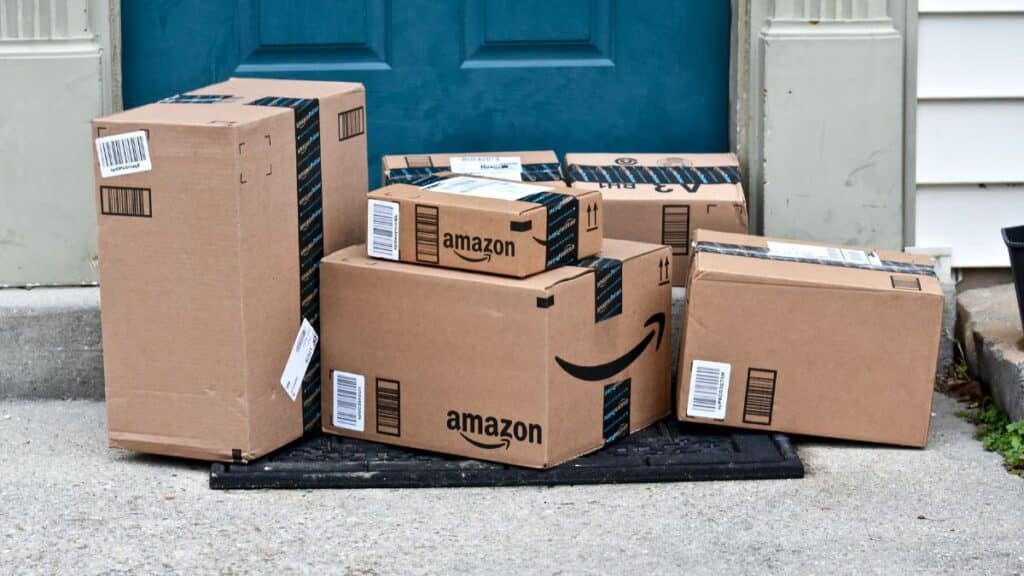
Subscription boxes promise convenience and surprise. Over time, the items feel repetitive or low quality. Prices rise while excitement fades.
You may cancel without feeling like you are missing out. Buying exactly what you want feels better. Paying monthly for filler items loses appeal. Control replaces curiosity.
Impulse Home Decor

Home decor trends move fast, and prices reflect that. Buying something on impulse often leads to regret later. The appeal fades quickly.
You may sit with an idea longer before buying. Living with what you have feels comfortable enough. Avoiding clutter becomes a priority. The pause feels intentional.
Costly Beauty Treatments

Beauty services and treatments have become increasingly expensive. Maintenance costs add up quickly over time. Results do not always justify the expense.
You may space appointments out or skip them entirely. Simpler routines feel easier to manage. Saving the money feels just as satisfying. Confidence shifts inward.
Big Vacations Without a Plan

Travel still matters, but expensive trips feel harder to justify without purpose. Costs stack up fast between flights, lodging, and food. Stress creeps in before the trip even starts.
You may opt for smaller trips or stay closer to home. Planning matters more than splurging. Enjoyment does not require excess. The choice feels grounded.
Fancy Appliances With Extra Features

Appliances now come with upgrades you rarely use. Touchscreens and smart features raise prices quickly. Repairs become more complicated.
You may choose simpler models that do the job well. Reliability beats novelty. Paying less for function feels satisfying. The decision feels sensible.
Luxury Versions of Everyday Items

Luxury versions of basics show up everywhere. Price increases rarely come with meaningful differences. Branding stops carrying weight.
You may choose standard options that work just as well. Paying extra for a label feels unnecessary. Value takes priority over status. That shift feels freeing.
Event Tickets With Heavy Fees

Tickets often look affordable until fees appear. The final total feels inflated and frustrating. Excitement fades at checkout. You may decide to skip events or attend fewer of them. Watching from home feels acceptable. Paying inflated prices feels optional. Saying no feels empowering.
Choosing not to buy does not mean doing without. It means deciding what actually deserves your money. When spending feels intentional, regret fades. Walking away becomes a form of control.
8 Ridiculous Myths About Spending Money You Still Believe

Most of us have grown up hearing all sorts of advice about money. Some of it’s helpful, but a lot of it? Just plain wrong. While these myths sound convincing, believing them could hold you back from making smart choices with your hard-earned cash. Here are eight common money myths and the truth you need to know. 8 Ridiculous Myths About Spending Money You Still Believe