


Looking back at past spending has a way of changing how future money decisions feel. When people actually review where their money went over the last year, patterns become harder to ignore, especially when certain purchases show up repeatedly without delivering much value.
What once felt harmless or routine often looks very different when totals are added up in one place. Here are twelve purchases many people decide to cut after taking an honest look at their spending.
💸 Take Back Control of Your Finances in 2025 💸
Get Instant Access to our free mini course
5 DAYS TO A BETTER BUDGET
Multiple Streaming Services at Once

Streaming subscriptions tend to pile up slowly, often starting with one or two and expanding until several are running at the same time. Each one feels inexpensive on its own, which makes it easy to ignore how much the total adds up to over the course of a year.
After reviewing spending, many people realize they rotate between the same few platforms and rarely use the rest. Canceling extras feels less like a sacrifice and more like a correction once usage is compared to cost. Keeping only what actually gets watched brings spending back in line with reality.
Impulse Online Shopping Purchases

Small online purchases often feel harmless in the moment, especially when checkout is quick and delivery is fast. Items bought out of boredom or mild interest add up quietly across weeks and months.
Seeing those charges listed together makes the habit hard to justify. Many people cut impulse buys once they recognize how little lasting value they provided. Slowing down before clicking buy becomes easier after seeing the real cost of convenience.
Frequent Takeout and Delivery Orders

Food delivery spending often surprises people the most during a review. Individual orders feel reasonable, but fees, tips, and markups turn occasional meals into a major expense over time.
After seeing the totals, many people reduce how often they order out. Cooking more at home or saving takeout for specific situations feels more intentional. The shift is less about deprivation and more about awareness.
Subscription Boxes and Monthly Kits
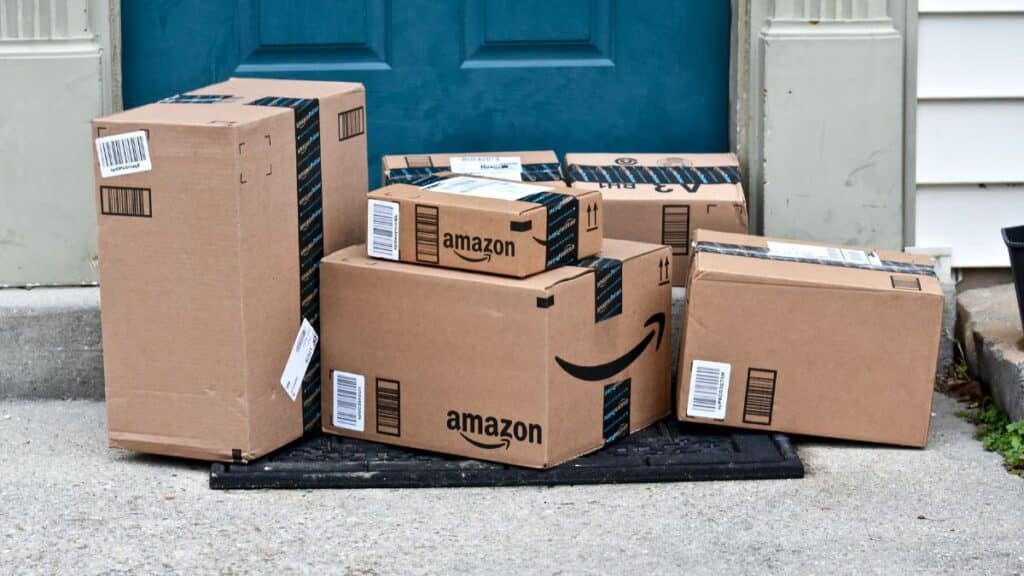
Subscription boxes often start with excitement and curiosity. Over time, items feel repetitive or unnecessary, while the monthly charge stays the same.
Spending reviews make it clear how much was paid for items that rarely became essentials. Many people cut these subscriptions once novelty wears off. Canceling brings relief rather than regret.
Brand Name Groceries Without a Sale

Brand loyalty can keep grocery costs higher than expected. Paying full price out of habit often continues unnoticed until spending is reviewed closely.
Many people cut back on brand-name items after realizing store brands offer similar quality for less. Switching selectively reduces grocery bills without changing how meals feel. The savings feel practical rather than restrictive.
App Subscriptions and In-App Purchases

App subscriptions and small in-app purchases often fly under the radar. Charges blend into monthly statements without drawing attention.
Once reviewed, these costs stand out quickly. Many people cut apps they barely use or downgrade to free versions. Removing these charges feels like cleaning up digital clutter.
Clothing Bought for One Occasion

Special occasion clothing often gets worn once and forgotten. These purchases feel justified at the time, but add little long-term value.
Spending reviews highlight how often money went toward items that rarely left the closet. Many people cut back by renting, borrowing, or rewearing outfits instead. The shift feels freeing rather than limiting.
Upgrades and Add-ons During Travel Booking

Travel add-ons often seem small during booking but add significantly to the final cost. Seat upgrades, priority options, and extras stack up quickly.
After reviewing past trips, many people decide most upgrades were unnecessary. Cutting them does not change the quality of the experience as much as expected. Travel spending becomes more intentional as a result.
Convenience Store Stops

Quick stops for snacks or drinks often feel insignificant. The cost rarely registers because purchases are small and frequent.
When reviewed together, these stops reveal a steady drain on spending. Many people cut back by planning ahead or keeping snacks on hand. The habit changes easily once the pattern is visible.
Extended Warranties and Protection Plans

Extended warranties are often added automatically at checkout. The cost feels minor compared to the item itself.
Looking back, many people realize they rarely used these plans. Cutting them feels logical after reviewing how often they actually paid off. The purchase starts to feel unnecessary rather than protective.
Beauty and Personal Care Extras

Beauty purchases can creep up through frequent restocks, trend-driven products, and impulse buys. Each item feels justified on its own.
Spending reviews show how quickly these costs accumulate. Many people cut back to basics or use what they already own before buying more. The result feels calmer and more controlled.
Automatic Renewals for Rarely Used Services

Automatic renewals are easy to forget once they are set up. Charges continue even when interest fades. Reviewing spending makes these renewals impossible to ignore. Canceling services that no longer fit daily life feels satisfying. Money stops leaving without intention.
Cutting purchases after reviewing spending is not about regret. It is about clarity. When people see where their money actually went, choices start to align more closely with real priorities rather than habits that stuck around too long.
11 Purchases Frugal People Avoid Like the Plague

Living a frugal lifestyle isn’t about deprivation; it’s about making smart choices that align with your long-term goals. By being intentional with your spending, you can focus on what truly matters to you and lead a more satisfying and financially stable life. Understanding what not to buy helps you maximize your resources, ultimately bringing you closer to financial peace of mind. Embracing frugality means looking at everyday expenses with a critical eye and deciding which cuts can benefit you most. It’s about avoiding impulse buys and recognizing the value of each dollar. 11 Purchases Frugal People Avoid Like the Plague