


Prices have been creeping up everywhere, but some increases fly under the radar because they happen gradually or hide behind things we buy without thinking. You may have noticed your budget feels tighter, but pinpointing exactly where the money’s going can be tricky. Here are some everyday expenses that have gone up more than most people realize.
Coffee and Breakfast Items

That morning coffee run doesn’t feel like a major expense, but the price has jumped significantly over the past few years. A medium latte that used to cost $3.50 now often runs closer to $5 or $6, and breakfast sandwiches or pastries have followed the same trajectory.
💸 Take Back Control of Your Finances in 2025 💸
Get Instant Access to our free mini course
5 DAYS TO A BETTER BUDGET
The increase happens gradually enough that you don’t always notice, but when you multiply it by every weekday, the annual impact adds up fast. If you’re grabbing coffee and a quick bite five days a week, you could be spending hundreds more per year than you were just a couple years ago. The convenience stays the same, but your wallet takes a bigger hit each time.
Streaming Services

Individual streaming platforms may still seem affordable, but the collective cost has ballooned as more services launch and existing ones raise their rates. What started as one or two subscriptions at $8 or $10 per month has turned into four or five services at $15 to $20 each.
Many people don’t realize they’re now spending $80 to $100 monthly on entertainment that used to cost a fraction of that with cable. The increases happen through gradual price hikes and the addition of ad-free tiers, making it easy to overlook how much streaming actually costs now. Subscriptions quietly drain budgets in ways that feel small individually but add up substantially over time.
Personal Care Products

Shampoo, toothpaste, razors, deodorant—these basics have all gotten noticeably more expensive, even if you’re buying the same brands you always have. What used to be a $15 drugstore run for a few essentials now easily hits $25 or $30. Manufacturers have also been quietly shrinking package sizes while keeping prices similar or higher, so you’re getting less product for more money.
Hair care products in particular have seen steep increases, with many popular brands raising prices by 20% or more. These aren’t luxury items you can easily skip, which makes the price increases especially frustrating when you’re trying to stick to a budget.
Car Insurance

Auto insurance premiums have climbed dramatically, and many drivers only notice when their renewal notice arrives. Rates have increased across the board due to higher repair costs, more expensive vehicle technology, and increased accident rates in some areas. Even drivers with clean records are seeing increases of 15% to 25% annually in many states.
The monthly increase may seem manageable, but when you calculate the yearly difference, it can easily amount to several hundred dollars more than you were paying before. Shopping around helps, but even the best rates are significantly higher than they were just a few years ago.
Delivery Fees and Tips
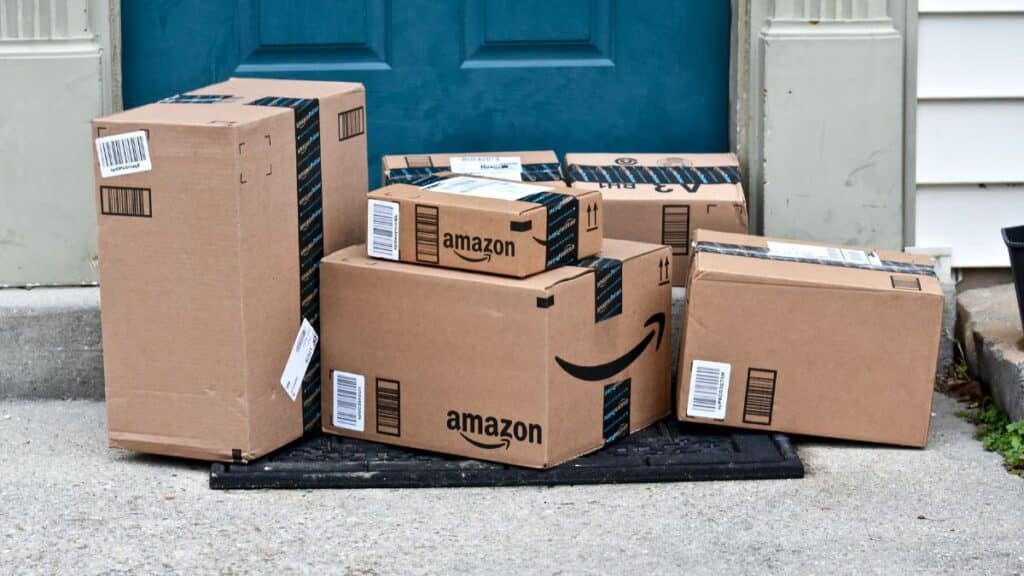
Food delivery used to feel like a reasonable convenience, but the total cost has skyrocketed beyond just menu prices. Service fees, delivery fees, small order fees, and suggested tip amounts all combine to make a $15 meal cost $25 or more by the time it arrives at your door.
Apps have increased their fees while restaurants have raised menu prices specifically for delivery orders, creating a double hit to your wallet. What once felt like an occasional treat now carries a premium that’s hard to justify regularly. The convenience remains, but the sneaky fees make it one of the most expensive ways to eat.
Household Cleaning Supplies

The basics you need to keep your home clean have quietly gotten much pricier. Laundry detergent, dish soap, paper towels, and cleaning sprays have all increased substantially. A typical shopping trip for cleaning essentials that used to cost $20 to $25 now easily runs $35 to $40.
Like personal care items, manufacturers have also reduced the size of containers while maintaining or raising prices, so you’re buying these products more frequently. The increases feel especially noticeable for families who go through cleaning supplies quickly, as restocking happens more often than you’d expect.
Takeout and Fast Food

Fast food was supposed to be the affordable option, but prices have climbed so much that it’s barely cheaper than casual dining anymore. A combo meal that cost $6 or $7 a few years ago now regularly hits $10 to $12, and that’s before any extras. Takeout from local restaurants has followed the same path, with everyday items becoming surprisingly expensive.
The convenience factor keeps people ordering, but the value proposition has completely shifted. What used to be a budget-friendly quick meal now costs nearly as much as cooking at home, making it harder to justify as an economical choice.
Pet Food and Supplies

If you have pets, you’ve probably noticed their care costs have jumped significantly. Premium pet food brands have increased by 20% to 30% in many cases, and even basic brands are noticeably pricier. Treats, toys, litter, and other supplies have all gone up as well, making routine pet expenses add up faster than expected.
Veterinary costs have also risen sharply, but even just the day-to-day basics of keeping your pet fed and supplied cost considerably more than they did recently. For households with multiple pets, the cumulative increase in monthly expenses can be substantial.
Utilities and Energy Bills

Electricity and gas bills have climbed steadily, and the increases vary dramatically by region. Some areas have seen utility costs rise by 30% or more over the past couple of years. The seasonal swings feel more extreme too, with summer and winter months bringing particularly high bills.
Even households that haven’t changed their usage patterns are paying significantly more for the same amount of energy. The increases often come through gradual rate hikes rather than one dramatic jump, making them easier to miss until you compare current bills to what you paid a year or two ago.
Snacks and Packaged Foods

The snack aisle has become one of the most noticeable places to see price increases and shrinkflation at work. A bag of chips that used to cost $2.99 now runs $4.49 or more, and the bag itself is smaller. Cookies, crackers, granola bars, and other packaged snacks have all gotten considerably more expensive.
Kids’ lunch items and snacks for school have been hit particularly hard, making it more expensive to pack lunches than it used to be. These everyday products Americans quit buying as prices soared show how much the increases have affected household budgets.
Phone and Internet Bills

Telecom companies have been raising rates steadily, often through fees and charges that appear on your bill without much explanation. Your base plan may have stayed the same price, but administrative fees, equipment charges, and other add-ons have crept up. Many people are now paying $10 to $20 more per month for the same service they had before.
Internet service in particular has seen significant increases, especially as providers push customers toward higher-speed tiers they may not actually need. The monthly difference feels small, but it adds hundreds of dollars annually to household expenses.
Toiletries and Over-the-Counter Medications

Basic health and hygiene products like pain relievers, allergy medications, vitamins, and first aid supplies have all gotten noticeably more expensive. A bottle of ibuprofen or antihistamines that used to be $5 or $6 now regularly costs $8 to $10 or more. Band-aids, cold medicine, and other pharmacy staples have followed the same pattern.
These aren’t discretionary purchases—when you need them, you buy them regardless of price. The cumulative cost of keeping a medicine cabinet stocked has increased substantially, and little things are costing more than most people track closely.
Why These Increases Matter

These money risks share one thing in common. They feel small or easy to ignore at first. Skipping a savings month, letting subscriptions renew, or carrying a balance all feel normal. Real financial security grows from small, steady choices made over time. Each risk adds a weak spot, and several together create real trouble. Most money problems build slowly, not all at once.
Noticing these risks is the first step toward fixing them. You do not need to change everything right away. Start by spotting where you feel exposed and take action there. Protecting what you already have matters more than chasing more income.
More From Cents + Purpose: