


Saying you are broke does not always mean you are struggling to meet basic needs. For many people, it reflects feeling stretched, annoyed, or frustrated rather than truly unstable. When spending stays high but expectations shift, the language around money starts to change. These phrases often signal discomfort with costs rather than actual financial hardship. Here are eleven common ways people talk about being broke while still living an expensive lifestyle.
Saying “Everything Is So Expensive Now” While Spending Has Not Changed

Many people describe feeling broke because prices are higher, even though their spending habits stayed mostly the same. Groceries, services, and everyday purchases cost more, which makes budgets feel tighter.
💸 Take Back Control of Your Finances in 2025 💸
Get Instant Access to our free mini course
5 DAYS TO A BETTER BUDGET
What often goes unsaid is that consumption levels have not dropped. Spending the same way in a more expensive environment creates pressure. The feeling comes from inflation meeting unchanged habits.
Claiming There Is No Extra Money While Keeping Every Subscription

It is common to say there is no room in the budget while carrying multiple streaming, app, and service subscriptions. Each one feels small enough to justify on its own.
Together, they represent a steady outflow that keeps lifestyles comfortable and entertained. Feeling broke comes from the total, not the individual charges. The spending stays invisible until everything is added up.
Saying Travel Is Unaffordable While Still Booking Trips

People often say they cannot afford travel anymore while still taking vacations or weekend getaways. Trips may be shorter or planned differently, but they still happen.
The frustration comes from spending more for less, not from staying home. Travel remains a priority even when it strains the budget. The language reflects resentment, not elimination.
Talking About Living Paycheck to Paycheck With Discretionary Spending Intact

Living paycheck to paycheck gets used loosely, even when discretionary spending continues. Dining out, shopping, and convenience services remain part of daily life.
The paycheck pressure is real, but it exists alongside choice. Being broke in this case means cash flow feels tight, not that spending has stopped. Both realities exist at the same time.
Complaining About Bills While Upgrading Lifestyle Items
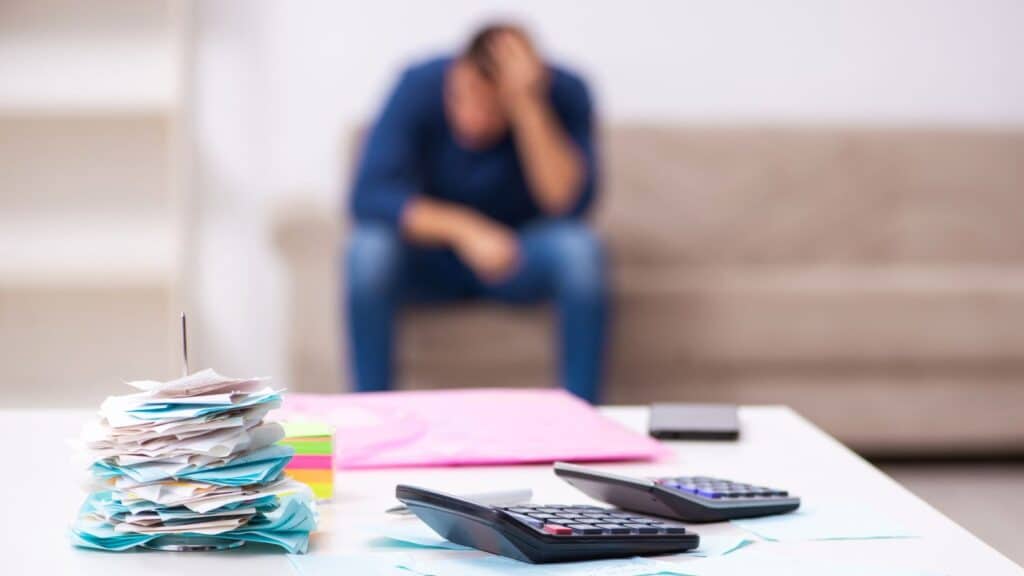
People often talk about bills being overwhelming while still upgrading phones, furniture, or technology. The upgrades feel justified or necessary in the moment.
Later, the contradiction becomes clearer. The issue is not one purchase, but how often upgrades happen. The language of being broke masks discomfort with priorities.
Saying “I Can’t Save Anything” While Saving Nothing on Purpose

Some people say saving feels impossible, even though there is no clear attempt to create room for it. Savings gets postponed until things feel easier.
Spending remains unchanged while saving waits for a better moment. The frustration comes from wanting progress without adjustment. Broke becomes shorthand for stalled momentum.
Claiming They Never Spend Money on Themselves

It is common to hear people say they never spend on themselves while regularly paying for conveniences and treats. The spending just does not feel indulgent.
When expenses feel normal, they stop counting as discretionary. Being broke becomes a feeling tied to comparison, not behavior. Comfort becomes invisible over time.
Saying Money Is Tight While Neglecting To Review Spending

Avoiding numbers often goes hand in hand with claiming financial strain. Looking too closely feels stressful, so it gets postponed.
Without review, spending patterns continue unchecked. The feeling of being broke grows louder because clarity never replaces assumption. Awareness would change the narrative.
Framing Financial Stress as a Temporary Phase That Never Ends

People often talk about being broke as if it is a short-term phase, even when nothing changes. Relief is always expected later.
When later never arrives, the language stays the same. Broke becomes part of identity rather than a situation to address. The lifestyle remains expensive throughout.
Comparing Upward and Feeling Behind

Feeling broke often comes from comparison rather than numbers. Seeing others spend more reshapes what feels normal.
Even comfortable lifestyles start to feel inadequate. The pressure comes from perception, not lack. Comparison quietly redefines what broke means.
Saying “I Should Be Doing Better Than This”

This phrase captures the emotional side of modern money stress. Income exists, stability exists, but expectations feel unmet.
The disconnect creates frustration rather than crisis. Being broke becomes a way to express disappointment, not deprivation. The lifestyle stays intact while satisfaction slips.
Talking about being broke does not always reflect financial reality. Often it reveals tension between spending, expectations, and rising costs. Understanding that difference helps separate true instability from discomfort with an expensive normal.
Featured on Cents + Purpose: