


Most people are not trying to become minimalists overnight. What is changing is how often a purchase clashes with what they actually care about. You notice it when something feels unnecessary, wasteful, or misaligned, even if you can afford it. Spending starts to feel personal instead of automatic. Walking away becomes easier when values are clear. Here are eleven purchases that no longer fit people’s values.
Fast Fashion Hauls

Fast fashion once felt like an easy way to refresh a wardrobe. Low prices and constant new styles made frequent buying feel harmless. Over time, the cycle started to feel excessive.
💸 Take Back Control of Your Finances in 2025 💸
Get Instant Access to our free mini course
5 DAYS TO A BETTER BUDGET
Many people now notice clothes wearing out quickly or sitting unused. Buying more does not equal feeling better dressed. Fewer, better pieces feel more intentional. Value shifts from quantity to longevity.
Single-Use Kitchen Gadgets

Specialty gadgets promised to make cooking easier. Most of them ended up taking space and getting used once or twice. Cabinets filled faster than meals improved.
People now question whether a tool solves a real problem. Multipurpose items feel more practical. Less clutter supports calmer spaces. Function matters more than novelty.
Disposable Home Decor

Seasonal decor used to feel festive and fun. Replacing it every year started to feel wasteful. Trends changed faster than interest did.
Many people now choose reusable or timeless pieces. Decorating becomes slower and more thoughtful. Homes feel personal instead of performative. Spending aligns better with sustainability.
Constant Tech Upgrades

New devices launch often, creating pressure to keep up. Improvements feel smaller while prices keep rising. Replacing working tech starts to feel unnecessary.
People are keeping devices longer and repairing when possible. Function matters more than having the latest version. Less upgrading reduces waste and expense. That restraint feels responsible.
Oversized Vehicles for Everyday Use

Large vehicles once symbolized safety or success. Daily driving rarely requires that much space or power. Fuel and maintenance costs add up quickly.
Many people reassess what they actually need. Smaller, efficient options feel more aligned with daily life. Practicality replaces image. The choice reflects intention.
Excessive Subscription Boxes

Subscription boxes promised convenience and discovery. Over time, items felt repetitive or low quality. Monthly charges kept coming regardless of use.
People now prefer buying exactly what they want. Control feels better than surprise. Canceling reduces waste and spending. Intentional buying replaces accumulation.
Cheap Furniture That Does Not Last

Low-priced furniture made decorating feel accessible. Short lifespans led to frequent replacements. Waste and frustration followed.
Many people now invest in durability or secondhand options. Repairing feels better than discarding. Quality supports long-term use. Values shift toward longevity.
Impulse Beauty Products

Beauty marketing encourages constant trying. Products pile up faster than they get used. Drawers fill while routines stay the same.
People now pause before buying. Using what they already own feels satisfying. Simpler routines save money and space. Mindful choices replace impulse.
Daily Convenience Spending Without Thought

Small daily purchases felt insignificant at first. Over time, they became habits instead of treats. The total started to matter.
People now choose convenience selectively. Spending supports busy days, not default behavior. Awareness brings balance. Intentional treats feel better.
Items Made Without Transparency
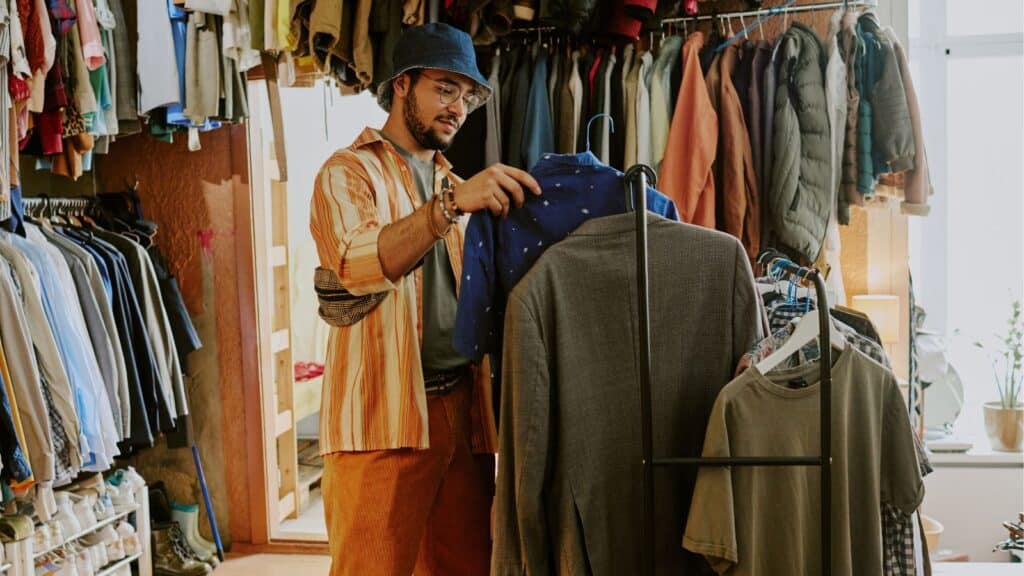
Lack of information about sourcing or labor raises concerns. Low prices often come with hidden costs. That disconnect feels uncomfortable.
Many people look for transparency before buying. Ethical considerations influence choices. Spending reflects values beyond price. Clarity builds trust.
Purchases Made to Keep Up

Keeping up once felt unavoidable. Social pressure drove spending decisions. Comparison created unnecessary stress. People now prioritize what fits their own life. Saying no feels easier. Confidence replaces comparison. Spending aligns with personal values.
Choosing purchases that reflect values does not require perfection. It requires awareness and intention. When spending feels aligned, regret fades. Money supports the life you want.
11 Purchases Frugal People Avoid Like the Plague

Living a frugal lifestyle isn’t about deprivation; it’s about making smart choices that align with your long-term goals. By being intentional with your spending, you can focus on what truly matters to you and lead a more satisfying and financially stable life. Understanding what not to buy helps you maximize your resources, ultimately bringing you closer to financial peace of mind.
Embracing frugality means looking at everyday expenses with a critical eye and deciding which cuts can benefit you most. It’s about avoiding impulse buys and recognizing the value of each dollar. 11 Purchases Frugal People Avoid Like the Plague