


People are fed up with certain expenses that feel excessive or unnecessary. The tolerance for overpriced basics has hit rock bottom as budgets get squeezed tighter. Here are eleven everyday costs Americans are actively refusing to accept anymore.
Overpriced Coffee Shop Drinks

Spending $6 for a latte that costs 50 cents to make at home feels insulting now. The coffee shop habit that once seemed harmless adds up to $150 or more monthly. People are buying quality beans and brewing at home instead of paying the premium. The ritual of going to a cafe was nice, but not $2,000 yearly nice. Flavored syrups and oat milk don’t justify the markup when you can replicate drinks easily.
💸 Take Back Control of Your Finances in 2025 💸
Get Instant Access to our free mini course
5 DAYS TO A BETTER BUDGET
Social media is full of homemade coffee recipes that taste just as good. The rebellion against overpriced coffee is real and growing as people calculate what they’ve spent over the years. Finding areas to cut spending often starts with identifying the small daily costs that drain accounts.
Cable and Satellite TV Packages
Paying $100 to $200 monthly for channels nobody watches is finally ending for millions. Streaming services offer better content for a fraction of the price. Cable companies keep raising rates while providing less value as content moves to other platforms. The forced bundles that make you pay for sports channels you never watch feel like a scam.
Cutting the cord has gone from radical to completely mainstream. People who cancel cable report barely missing it once they adjust to streaming. Installation fees, equipment rentals, and random charges made the bills even more frustrating. The cable industry is hemorrhaging customers who refuse to overpay for outdated delivery systems.
Bank Fees for Basic Services

Monthly maintenance fees, overdraft charges, and ATM fees feel like pure profit grabs. Banks that charge $12 monthly just to hold your money are losing customers fast. Online banks offer the same services with zero fees and better interest rates. A single overdraft fee of $35 can push someone from tight to broke instantly.
The fees hit hardest on people who can least afford them. Americans are switching to credit unions and online banks that don’t nickel and dime customers. The traditional banking model of charging for everything is dying as alternatives flourish. Nobody wants to pay for the privilege of accessing their own money.
Convenience Fees That Aren’t Convenient

Paying $5 extra to buy tickets online instead of in person makes no sense. Service fees, processing fees, and convenience charges add 20% or more to the base price. Ticketmaster and similar platforms have become symbols of fee abuse. The so-called convenience is actually cheaper for the company than staffing a box office.
Concert and event tickets now cost significantly more than the listed price after fees. Resort fees at hotels that aren’t included in the room rate feel deceptive. People are calling out these practices loudly on social media and choosing businesses without hidden charges. The backlash against junk fees is intense and justified.
Printer Ink Cartridges
Ink costs more per ounce than champagne or human blood. A set of replacement cartridges often costs more than buying a new printer. The printing industry’s business model is selling cheap printers then gouging on ink. Cartridges are designed to report empty when they still have ink remaining.
Third party ink works fine but printer companies scare people away from using it. Many households barely print anymore specifically to avoid buying ink. The markup on ink cartridges is so extreme it feels criminal. People are switching to tank based printers or just printing at libraries and office supply stores instead.
Bottled Water at Venues

Paying $7 for a bottle of water at concerts, airports, or sporting events is extortion. The same bottle costs $1 at a gas station and 20 cents in a grocery store bulk pack. Venues that prohibit bringing your own water then charge extreme prices face constant criticism. The markup is pure profit since water costs almost nothing.
People are bringing empty reusable bottles and filling them at fountains to avoid the charges. Some venues have started allowing sealed bottles after enough customer complaints. Making smarter financial choices includes refusing to pay inflated prices when alternatives exist. The anger over water pricing has become a rallying cry against venue price gouging.
Excessive Delivery and Service Fees
Food delivery apps charge restaurant prices plus delivery fees plus service fees plus tips. A $15 meal becomes $30 after all the add-ons get included. The fees often exceed the cost of the actual food you ordered. Drivers don’t even receive most of the fees customers pay. People are picking up their own food or cooking at home rather than paying the premium.
The convenience of delivery stops being worth it when costs double. Some restaurants offer better deals for direct pickup orders to avoid app fees. The delivery app business model is collapsing as customers realize how much extra they’re paying.
ATM Fees From Other Banks

Getting charged $3 to $5 to access your own money feels like theft. Using an out of network ATM can cost $7 total after both banks take their cut. The fees are especially frustrating for people who need cash unexpectedly. Banks that participate in fee free ATM networks are gaining customers from those that don’t.
Many people now get cash back at stores specifically to avoid ATM charges. The practice of charging for basic account access is increasingly seen as unacceptable. Credit unions and online banks advertise their lack of ATM fees prominently. Consumers are done accepting these charges as normal or necessary.
Streaming Service Price Increases
Services that started at $8 monthly now cost $15 or more for the same content. Every few months brings another price hike with little explanation or added value. Having multiple streaming subscriptions to access different shows costs more than cable did. The streaming revolution promised cheaper entertainment but prices keep climbing.
People are rotating subscriptions, only keeping one or two active at a time. Password sharing crackdowns combined with price increases pushed many people to cancel altogether. Ad supported tiers that still cost money feel like a downgrade from earlier offerings. The value proposition of streaming is eroding as companies prioritize profit over customer satisfaction.
Excessive Tipping Expectations

Tip screens that start at 20% for counter service with no table service feel aggressive. Buying a pre-made sandwich shouldn’t require tipping the same as full restaurant service. The tablet turns toward you with 25%, 30%, and 35% options for handing you a coffee. Workers deserve fair wages, but shifting that burden entirely to customers through tips is wrong.
Tipping for pickup orders where no service was provided doesn’t make sense. The social pressure to tip high amounts for minimal service creates resentment. Understanding where your money goes includes questioning which charges are reasonable. People want to tip generously for good service but resist being guilt tripped into tipping everywhere.
Resort and Hotel Hidden Fees
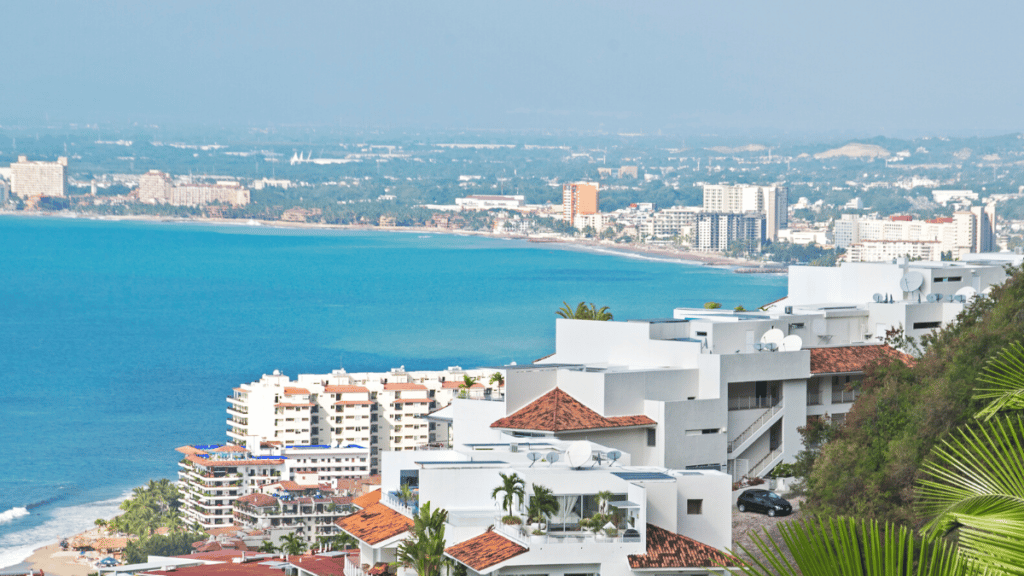
Booking a hotel room for $150 then finding out the total is $220 with fees feels deceptive. Resort fees that cover pool access and WiFi should be included in the room rate. Parking fees at hotels, especially in suburbs where land is cheap, seem like pure greed. The mandatory fees that aren’t optional or avoidable anger travelers more than higher upfront prices would. Early check in fees, late checkout fees, and luggage storage fees nickel and dime guests constantly.
Hotels claim fees are standard practice but customers see them as dishonest pricing. Many people now specifically search for hotels that advertise no resort fees. The industry practice of hiding true costs until checkout has severely damaged customer trust.
Americans are pushing back against costs that feel unfair or excessive. These everyday expenses have crossed the line from annoying to unacceptable for millions of people. The refusal to keep paying represents a shift in what consumers will tolerate. Businesses that don’t adjust to this new reality risk losing customers permanently to competitors offering better value and transparency.
This article first appeared on Cents + Purpose.