


Some price increases make sense when quality improves or costs genuinely rise, but many expenses keep climbing without delivering anything better in return. You pay more while receiving the same product or service, which makes each increase feel harder to accept and easier to resent.
Over time, that disconnect changes how you think about spending altogether, especially when these costs show up month after month without explanation. Here are ten things that keep getting more expensive for no good reason.
💸 Take Back Control of Your Finances in 2025 💸
Get Instant Access to our free mini course
5 DAYS TO A BETTER BUDGET
Streaming Services That Offer Less Value Over Time
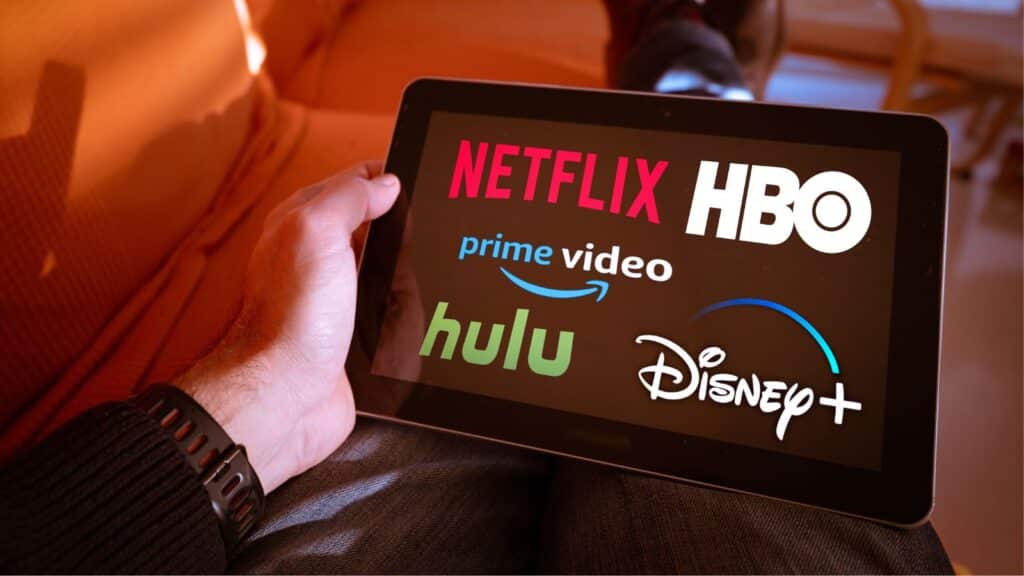
Streaming was originally sold as a cheaper and simpler alternative to cable, yet prices have steadily increased while content is now spread across more platforms than ever. Keeping access to familiar shows often requires multiple subscriptions, which quickly turns what felt affordable into a bloated monthly expense.
What makes the increases frustrating is that the experience itself has not improved. You still scroll endlessly, content rotates out without warning, and new releases rarely justify higher prices. Paying more while enjoying less makes the entire model feel backward.
Airline Tickets That Balloon After Checkout

Airfare often appears reasonable until the final screen, when baggage fees, seat selection charges, and other add-ons push the total far beyond what was advertised. What should be a straightforward purchase becomes a layered pricing exercise that feels intentionally confusing.
The frustration is not just about the total cost, but about how little transparency exists upfront. You are not paying for luxuries so much as paying to access basics that used to be included. When the true price only appears at the end, it feels misleading rather than necessary.
Car Insurance Premiums With No Clear Justification

Car insurance premiums seem to rise regularly, even when coverage stays the same, and no claims have been filed. Many drivers see increases year after year without any explanation that feels concrete or reasonable.
That lack of clarity makes people question what loyalty actually provides. Paying more without added protection or improved service erodes trust quickly. When an essential expense feels arbitrary, frustration replaces confidence.
Rent Increases Without Improvements

Rent increases used to come with at least the expectation of better maintenance or updated living conditions. Now, many tenants see higher rents while nothing about the space actually changes, which makes the increase feel especially unfair.
Moving is expensive and disruptive, so people often feel stuck paying more simply to stay put. When housing costs rise without delivering better living conditions, it forces renters to question what they are really paying for.
Grocery Prices That Rise While Packages Shrink

Grocery prices continue to climb, often alongside shrinking package sizes that make the increase feel even more noticeable. You pay more while receiving less, especially for basic items that used to feel stable in price.
This makes grocery shopping feel exhausting instead of routine. You start scanning shelves more carefully, questioning brands you once trusted, and adjusting habits that never needed adjusting before. When essentials lose their sense of value, every dollar feels heavier.
Cell Phone Plans That Improve Very Little

Cell phone plans seem to grow more expensive each year, even when improvements are minimal or barely noticeable. New features sound impressive in marketing, but rarely change how people actually use their phones.
Bills quietly inflate through add-ons, fees, and plan adjustments that feel unnecessary. Paying more for the same basic function makes people wonder why communication costs so much at all.
Live Event Tickets That Feel Out of Reach

Concerts, sports games, and live shows have become significantly more expensive, often pricing out people who once attended regularly. The experience itself has not changed enough to justify the jump.
People still buy tickets because memories matter, but the cost now comes with hesitation and second-guessing. Paying premium prices for familiar experiences leaves a lingering sense of being overcharged.
Subscription Boxes That Deliver Less Over Time
Subscription boxes often raise prices while the quality and variety of items decline. What once felt curated and useful begins to feel generic and repetitive.
People keep paying out of habit until the value gap becomes too obvious to ignore. When excitement fades and costs rise, the service starts feeling unnecessary rather than helpful.
Utility Bills That Feel Impossible to Predict

Utility bills rise even when usage remains steady, which makes budgeting feel like guesswork. Essential services should feel predictable, yet many households see unexplained fluctuations month after month.
That lack of consistency creates frustration because these costs are unavoidable. Paying more for something you cannot easily control makes each increase feel unreasonable.
Convenience Fees That Add Nothing of Value

Convenience fees appear in more places than ever, attached to actions that used to be free or included. These small charges add up quietly while offering little in return.
People question why everyday actions now come with extra costs. Paying more for routine tasks feels unnecessary and irritating. Over time, those fees create outsized resentment compared to their size.
Rising costs are easier to accept when they come with real improvements. When they do not, they chip away at trust and patience. Questioning these increases is not about avoiding spending. It is about expecting value to match the price.
9 Bill Negotiation Secrets That Will Leave You Richer

Do you ever feel overwhelmed by bills? Join the club. Many people struggle to manage their finances, often paying more than they need to. Knowing how to effectively negotiate your bills can have a significant impact on your bank balance. These strategies can transform your finances and help you keep more of your hard-earned money.
Negotiating your bills isn’t about being a tough negotiator but rather about understanding how to leverage your position as a customer. Implementing these techniques could lead to substantial savings and give you more control over your financial future. 9 Bill Negotiation Secrets That Will Leave You Richer