


Certain products that used to fly off shelves now sit there gathering dust. You walk right past items you would have bought without thinking a few years ago. Economic pressure and changing priorities transformed what people consider worth buying.
Pre-Cut Fruits and Vegetables
You’re done paying triple the price for someone else to chop your vegetables. The convenience markup on pre-cut produce became impossible to justify when budgets got tight. You realized cutting an onion takes two minutes and saves $4.
💸 Take Back Control of Your Finances in 2025 💸
Get Instant Access to our free mini course
5 DAYS TO A BETTER BUDGET
The packaged apple slices and veggie trays used to seem worth it for busy days. Now they feel like paying premium prices for basic knife work. You buy whole produce and do the prep yourself because the savings add up to hundreds monthly.
Single-Serve Snack Packs
You walk past the individually wrapped snacks heading straight for bulk bags. The convenience of pre-portioned chips and crackers costs way more per ounce. You figured out buying large bags and using containers yourself saves serious money.
Those 100-calorie packs seemed smart until you calculated the per-serving cost. The packaging waste bothered you once you started paying attention. You portion snacks at home now and the single-serve items stay on shelves.
Premium Paper Products

You stopped buying the quilted triple-ply toilet paper and fancy paper towels. The premium versions cost twice as much as basic options that work fine. You can’t justify spending extra on paper products you’re literally throwing away.
The soft luxurious paper goods felt worth it when money was looser. Now they seem ridiculous when cheaper versions serve the same purpose. You downgraded across all paper products without missing the premium experience.
Bottled Water
You leave bottled water on shelves because buying something free from taps makes no sense. The cost of packaged water adds up fast when you calculate weekly purchases. You invested in reusable bottles and filters instead.
Bottled water used to be a thoughtless grab for convenience. The environmental guilt combined with tighter budgets ended that habit. You fill bottles at home or from fountains and the bottled options stay untouched.
Name Brand Cleaning Products
You ignore the Tide and Clorox walking straight to store brand cleaners. The generic versions clean just as well for half the price. You tested them and couldn’t tell the difference in performance.
Brand loyalty for cleaning supplies died when you realized you’re paying for advertising. The fancy bottles and familiar names don’t make floors cleaner. You switched completely to store brands and saved $30 monthly on household cleaners.
Frozen Prepared Meals
You walk past frozen dinners and meal kits leaving them for someone else. The prepared frozen foods cost $6 to $10 per serving for mediocre quality. You can make better meals from scratch for less money.
Frozen convenience meals seemed practical until you started cooking more. The sodium levels and ingredient quality are terrible compared to home cooking. You prep your own freezer meals now and commercial ones stay on shelves.
Fancy Coffee Drinks
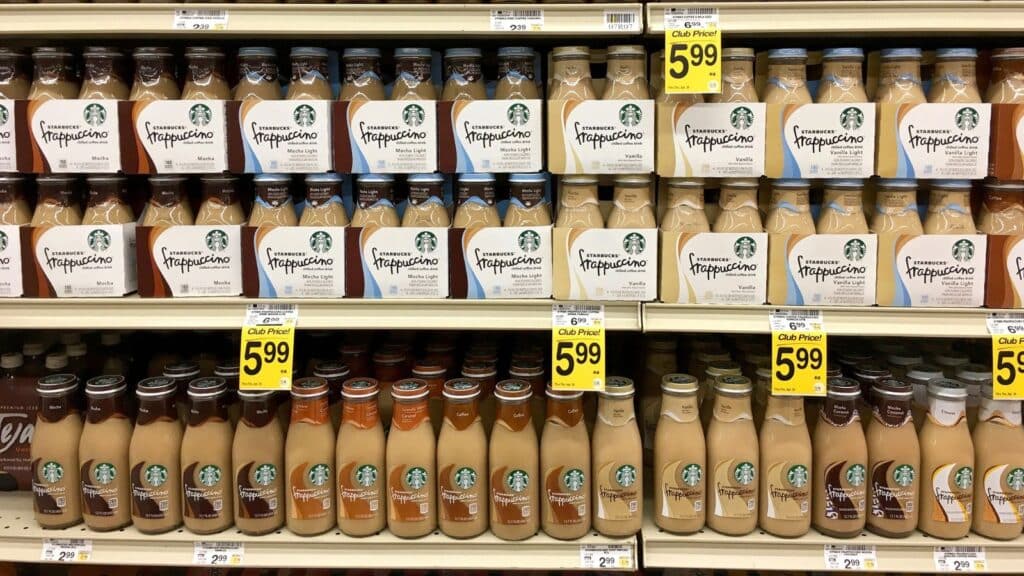
You leave the bottled Frappuccinos and cold brews on shelves. The $4 to $6 coffee drinks became an obvious waste when you can brew at home. You bought a good coffee maker and make drinks yourself for pennies.
Those bottled coffee beverages used to be regular purchases. The cost per drink versus making coffee yourself is absurd. You carry a travel mug now and the refrigerated coffee section doesn’t tempt you anymore.
Greeting Cards
You walk right past the card aisle because spending $5 on folded paper feels stupid. The markup on greeting cards is outrageous for something that gets glanced at and thrown away. You text or call people instead or make your own cards.
Buying cards for every occasion used to seem necessary. Now it feels like wasting money on formality nobody cares about. You skip the card section entirely and express sentiments directly without the expensive middleman.
Premium Pet Food Brands
You stopped buying the expensive boutique pet food brands. The premium products cost three times more than quality basic brands. Your pets eat the regular food just fine without digestive issues.
The fancy pet food marketing convinced you animals needed premium ingredients. Research showed mid-range brands provide complete nutrition for less. You downgraded pet food spending significantly without affecting their health or happiness.
Brand Name Medications
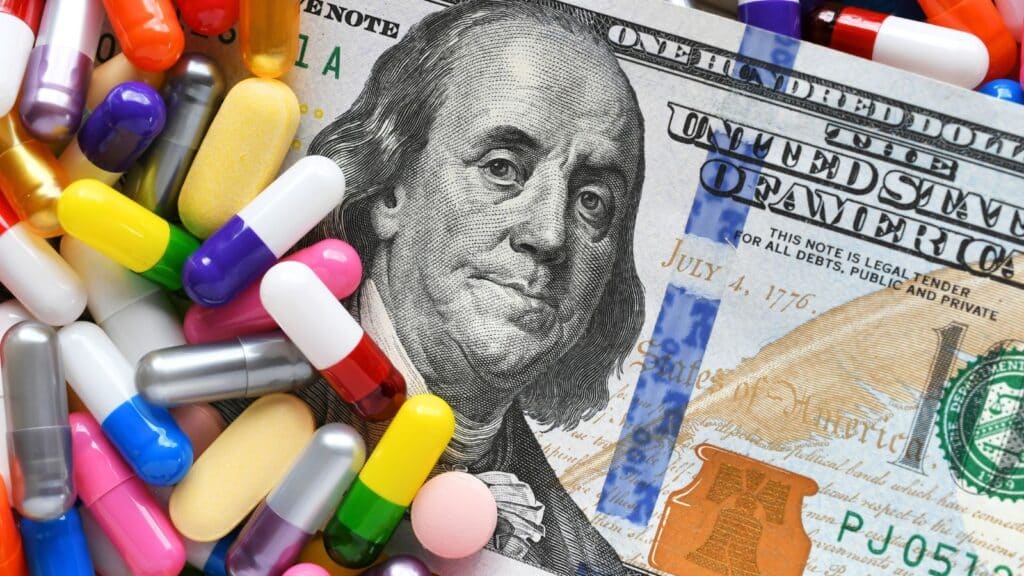
You leave Advil and Tylenol on shelves buying generic ibuprofen and acetaminophen instead. The active ingredients are identical but store brands cost 70% less. You can’t justify paying extra for the same drug in different packaging.
Name brand over-the-counter medications seemed more trustworthy somehow. Learning the generics are chemically identical ended that perception. You switched completely to store brand medications and save hundreds yearly.
Permanent Shopping Changes
These products lost your business permanently not temporarily. The shift away from convenience items and brand names came from budget pressure. You discovered you don’t miss most things you stopped buying.
Companies banking on habit and brand loyalty are losing to rational purchasing decisions. You evaluate every product on actual value now rather than buying automatically. The items left on shelves represent smarter more selective shopping that prioritizes your financial needs over corporate profits.
This article first appeared on Cents + Purpose.