


Most people are not repairing things because they enjoy it. They are doing it because replacing items has become expensive, frustrating, and often unnecessary. When prices climb and quality feels inconsistent, fixing what you already own starts to make more sense. You begin to ask whether something actually needs to be replaced or if it still has plenty of life left. Repairing feels practical instead of inconvenient. Here are ten items people are choosing to repair instead of replace.
Cars

Replacing a car has become a major financial decision. Monthly payments, insurance, and registration costs add up quickly. Even used cars now come with higher price tags than many people expect.
💸 Take Back Control of Your Finances in 2025 💸
Get Instant Access to our free mini course
5 DAYS TO A BETTER BUDGET
You may decide to invest in repairs instead of taking on a new payment. Fixing what you already own often costs far less over time. Keeping a reliable car running feels smarter than starting over. The peace of mind matters.
Smartphones

New phones come out every year, but the changes feel smaller. Prices keep climbing while basic functions stay the same. Replacing a phone no longer feels automatic.
You may replace a battery or repair a cracked screen instead. Those fixes cost far less than buying new. Your phone still works the way you need it to. Repairing feels like the obvious choice.
Laptops and Tablets

Technology moves fast, but devices often last longer than expected. Slow performance does not always mean something is broken. Minor fixes can make a big difference.
You may upgrade memory or replace a battery instead of buying new. Repairs extend the life of your device without a major expense. Function matters more than having the latest model. This choice saves money and hassle.
Appliances

Appliances cost far more than they used to. Replacing a washer or refrigerator can feel overwhelming. Even basic models come with high price tags.
You may choose to repair a part instead of replacing the entire appliance. Many fixes are simpler than expected. Keeping what you have avoids delivery delays and installation stress. Repairing feels manageable.
Furniture

Furniture prices have climbed, even for lower-quality pieces. Items that break often feel too new to replace entirely. Tossing them feels wasteful.
You may tighten hardware, fix a leg, or refinish a surface. Small repairs extend usability without starting over. Keeping furniture longer feels practical. Durability becomes more important than style.
Shoes

Shoes wear out faster than people expect, especially when worn often. Replacing them regularly adds up. Quality footwear still has value when repaired.
You may replace soles or fix stitching instead of buying new pairs. Repairs cost less than replacing well-made shoes. Comfort stays the same. Repairing feels like a better investment.
Clothing

Clothing prices have risen, while quality often feels inconsistent. Replacing basics too often becomes expensive. Small issues rarely mean an item is done.
You may mend seams, replace buttons, or patch fabric. Repairs keep clothes wearable longer. Wearing what you already own feels fine. This choice reduces waste and spending.
Watches

Watches often stop working because of small issues. Batteries, bands, or internal parts need attention. Replacing a watch entirely feels unnecessary.
You may replace a battery or repair the strap instead. The watch still serves its purpose. Sentimental value often plays a role. Repairing feels reasonable.
Home Tools and Equipment

Tools break or stop working after regular use. Replacing them every time adds up quickly. Many issues are easy to fix.
You may sharpen blades, replace cords, or fix handles. Repairs restore function without buying new. Keeping tools in service saves money. This choice feels efficient.
Small Home Electronics
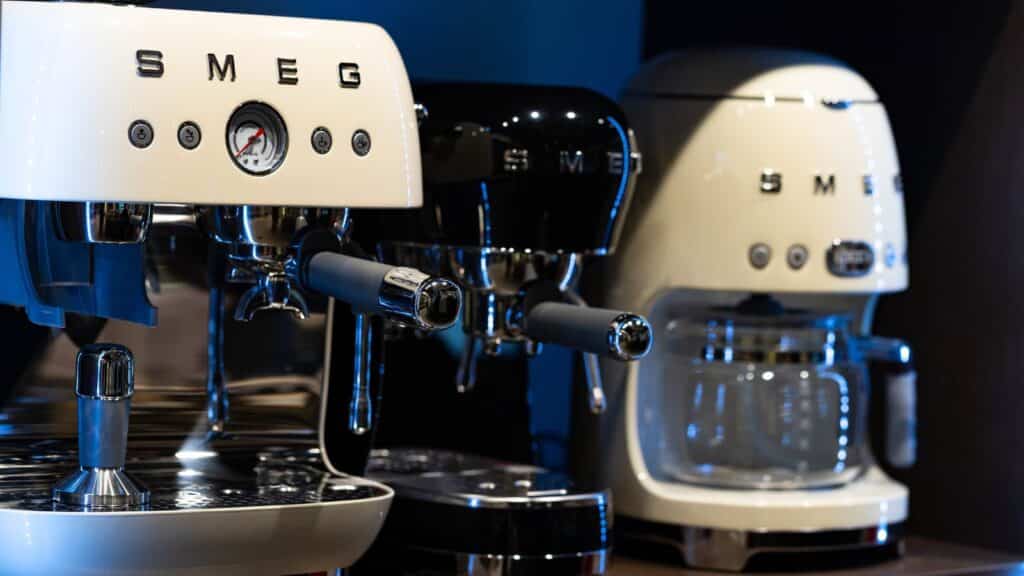
Small electronics often get replaced at the first sign of trouble. Loose connections or worn parts cause most issues. New replacements are not always better.
You may troubleshoot or replace simple components. Fixing them keeps them useful longer. Avoiding unnecessary purchases feels satisfying. Repairing becomes the default choice.
Choosing to repair instead of replace reflects practicality, not reluctance. When replacement costs rise, fixing what you own feels logical. Repairs help money go further. That mindset continues to grow.
11 Insider Tips for Thrifting Like a Pro

Whether you’re a seasoned thrifter or a newbie, knowing some insider tips can greatly enhance your thrifting experience. By mastering a few key techniques, you’ll be able to efficiently navigate stores and discover the best bargains. So get ready to enhance your skills and find incredible treasures without breaking the bank. 11 Insider Tips for Thrifting Like a Pro