


Saving money does not mean giving up comfort or quality. Some upgrades lower costs while making daily life better. These changes feel like real improvements, not cutbacks. Here are ten household upgrades that save money without feeling cheap.
LED Light Bulbs Throughout the House
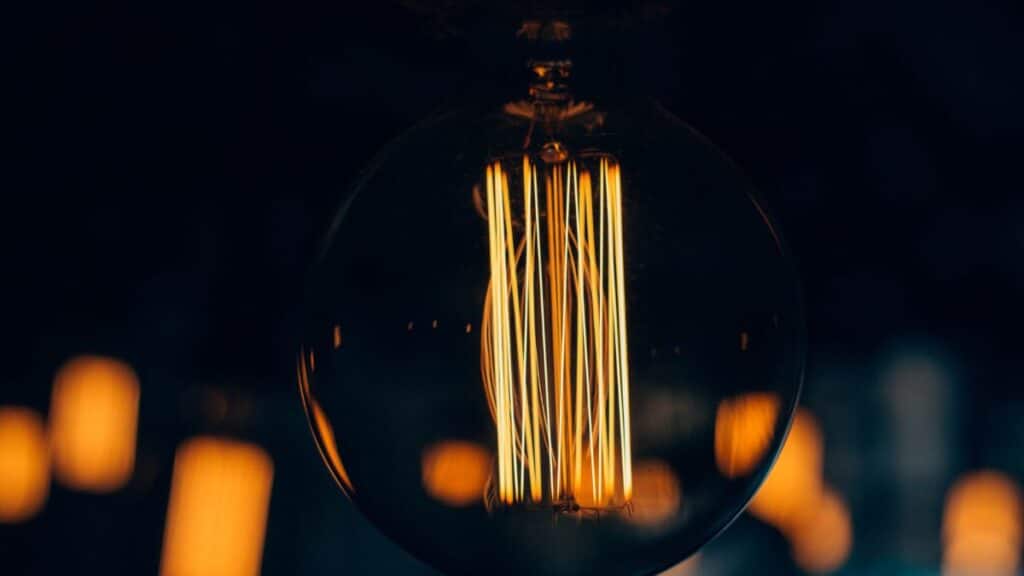
LED bulbs use a fraction of the electricity that traditional bulbs consume. They last years longer than incandescent options. The light quality matches or exceeds old bulbs. Replacing every bulb in the house drops electric bills noticeably.
💸 Take Back Control of Your Finances in 2025 💸
Get Instant Access to our free mini course
5 DAYS TO A BETTER BUDGET
Old bulbs waste energy as heat and burn out frequently. LEDs stay cool and last for years. The upfront cost gets recovered through lower electric bills and eliminated replacement purchases. Better light quality and reduced maintenance make this an upgrade that saves money. The house stays well-lit while using less electricity.
Window Film for Temperature Control
Window film blocks heat gain in summer while allowing light through. Rooms stay cooler without blocking natural light. Air conditioning systems work less hard. The film adheres to existing windows without replacement costs.
Large windows create heating and cooling challenges. Window film addresses this affordably. The clear film maintains visibility while reducing heat transfer. Rooms stay more comfortable with less HVAC use. The upgrade improves comfort and reduces energy costs simultaneously.
Low-Flow Showerheads

Modern low-flow showerheads maintain water pressure while using less water. Showers feel the same but water and heating costs drop. The newer designs eliminate the weak-pressure problems of older models. Installation takes minutes with basic tools.
Water heating represents significant utility costs. Low-flow showerheads reduce both water usage and heating needs. The savings show up monthly on utility bills. Shower quality stays the same or improves with better spray patterns. The upgrade pays for itself within months through reduced costs.
Smart Power Strips

Smart power strips cut phantom power drain from devices. Electronics draw power even when turned off. Smart strips detect inactive devices and cut power completely. The automatic shutoff saves electricity without requiring behavior changes.
Phantom power waste adds up across multiple devices. Smart strips eliminate this drain automatically. Plug entertainment systems, computer setups, and kitchen appliances into smart strips. The power savings happen passively. Annual electricity costs drop measurably through eliminated waste. People focused on reducing monthly bills find smart strips effective.
Kitchen Faucet Aerator
Faucet aerators reduce water flow while maintaining perceived pressure. Water use drops without noticeable difference during washing and rinsing. Installation requires no tools. The small device saves water and heating costs.
Kitchen faucets use significant water for dishes and food prep. Aerators cut that usage substantially. The maintained pressure means tasks take the same time. Water and heating bills drop through reduced consumption. The upgrade is invisible but savings are measurable. Those working on cutting household costs appreciate simple effective solutions.
Blackout Curtains in Bedrooms

Blackout curtains improve sleep quality while reducing heating and cooling costs. They block light for better rest and provide insulation against temperature extremes. Rooms stay cooler in summer and warmer in winter. The dual benefit improves comfort and reduces energy bills.
Poor sleep and high utility bills both decrease quality of life. Blackout curtains address both problems. The insulation effect reduces HVAC system workload. Better temperature control and improved sleep make this a genuine upgrade. The energy savings continue year-round.
Programmable Thermostat

A programmable thermostat adjusts temperatures automatically based on schedules. Lower settings during sleep and work hours. Comfortable temperatures when home. The automatic adjustments happen without daily decisions or effort.
Manual thermostat management rarely happens consistently. Programmable versions optimize heating and cooling automatically. Energy use drops without sacrificing comfort. The house stays comfortable when occupied and saves energy when empty. Monthly utility bills decrease while comfort stays consistent or improves.
Insulated Garage Door
An insulated garage door reduces heating and cooling loss through the garage. Attached garages affect whole-house temperature significantly. The insulation keeps conditioned air from escaping. HVAC systems work more efficiently with reduced garage temperature transfer.
Uninsulated garage doors create thermal bridges. Hot summers and cold winters penetrate through garages into homes. Insulated doors block this transfer. The garage stays more temperate and affects house temperatures less. Energy bills drop while garage comfort improves.
Water Filter Pitcher or Faucet Filter

Filtered tap water replaces bottled water purchases. The taste improves significantly over straight tap water. The filters cost far less than buying bottled water regularly. Good-tasting water at home eliminates the need for purchased beverages.
Bottled water expenses accumulate quickly. A quality filter provides better-tasting water for minimal ongoing cost. The initial investment recovers rapidly through eliminated bottled water purchases. Water quality improves while spending decreases. The convenience of filtered water at home encourages drinking more water overall.
Ceiling Fans in Main Living Areas

Ceiling fans circulate air making rooms feel cooler without lowering thermostat settings. The air movement creates comfort at higher temperatures. Cooling costs drop through reduced air conditioning use. Fans use minimal electricity compared to HVAC systems.
Air conditioning costs dominate summer utility bills. Ceiling fans provide comfort for far less energy. The circulated air allows comfortable temperatures with less cooling. Fans work year-round to improve air circulation. The investment pays back through reduced cooling costs each summer.
Upgrades That Enhance

These improvements share important qualities. They reduce costs while improving daily comfort and convenience. Nothing feels sacrificed or cheapened. Quality of life increases as expenses decrease.
The upgrades work because they address inefficiencies rather than cutting features. Better insulation, improved efficiency, and reduced waste all lower costs without reducing comfort. The changes feel like improvements because they are improvements. Saving money through smart upgrades beats cutting things you enjoy. These household changes prove that financial responsibility and comfortable living work together naturally.
This article first appeared on Cents + Purpose.