



For a long time, many expenses felt unavoidable. You paid them because that was how things worked, not because they made sense. As prices climbed and budgets tightened, that automatic yes started to feel heavier.
People began questioning where their money was actually going and what it was really buying them. Saying no stopped feeling dramatic and started feeling necessary. Here are ten expenses people are finally choosing to walk away from.
💸 Take Back Control of Your Finances in 2025 💸
Get Instant Access to our free mini course
5 DAYS TO A BETTER BUDGET
Automatic Subscription Renewals

Subscriptions are designed to fade into the background. A small monthly charge does not feel urgent, especially when it starts with a free trial. Over time, those charges quietly stack up.
More people now take time to review what they are actually using. Canceling unused subscriptions often brings relief instead of regret. You realize how little you miss them once they are gone. That awareness makes saying no much easier.
Delivery Fees for Everyday Items
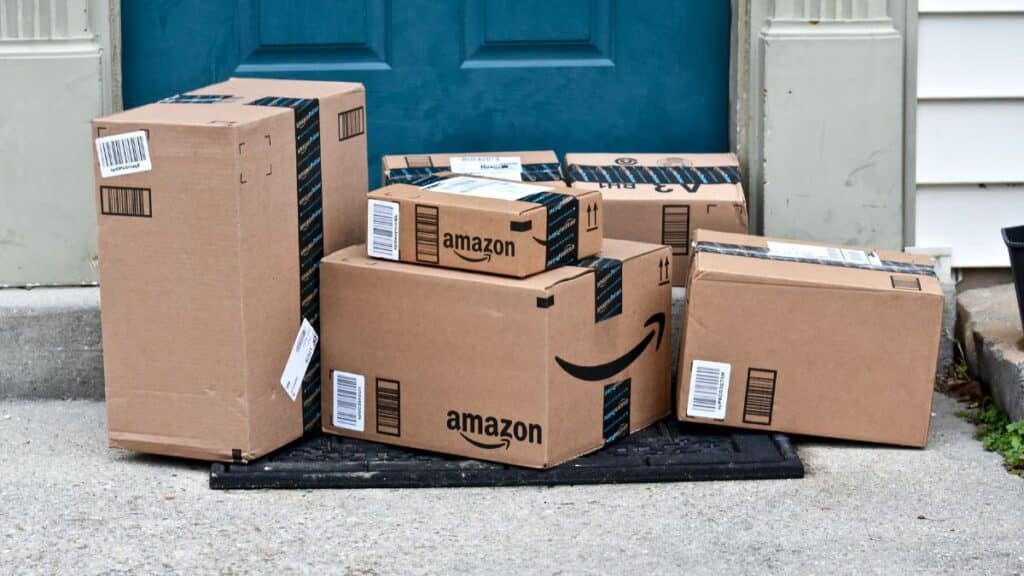
Delivery used to feel like an occasional convenience. Lately, it has become the default, and the fees have grown alongside it. Service charges, delivery fees, and tips quickly inflate the final cost.
People are stepping back and choosing pickup more often. You may decide the time saved is not worth the extra money. Small shifts like this make a noticeable difference over a month. Convenience becomes a choice instead of a habit.
Extended Warranties at Checkout

Extended warranties often rely on fear to close the sale. At the register, it feels easier to agree than to risk something breaking later. Most of the time, those warranties never get used.
More people are declining and trusting themselves instead. Setting money aside for repairs feels more practical. The pressure fades once you realize how rarely these plans pay off. Saying no feels empowering.
Brand Name Groceries Without a Clear Benefit

Brand loyalty once felt like the safe choice. Higher prices were assumed to mean better quality or taste. Recently, that assumption started to fall apart.
People try store brands and notice little difference. Paying extra for packaging or familiarity stops making sense. Grocery bills shrink without sacrificing satisfaction. Habit loses its grip.
Cable Packages Packed With Channels You Never Watch
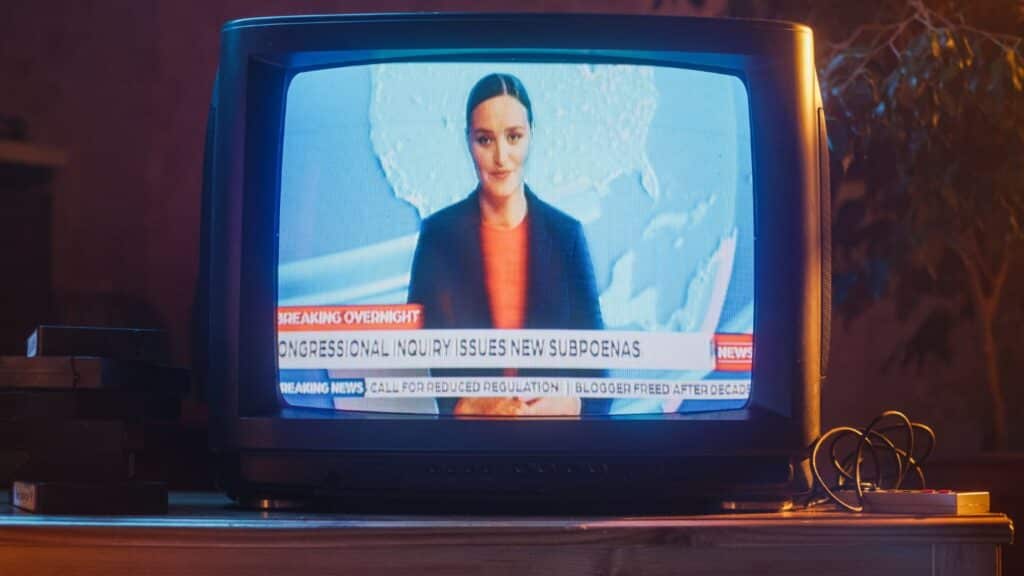
Cable bills often include dozens of channels that go untouched. The cost keeps rising while viewing habits change. Streaming made alternatives easier to find.
Many people cut cable and do not look back. Choosing only what you actually watch feels lighter. Entertainment becomes intentional again. Saying no simplifies monthly bills.
Convenience Purchases Made Out of Routine

Small daily purchases rarely feel like a problem on their own. Coffee, snacks, and impulse add-ons slip into routines easily. Over time, they become expected instead of enjoyed.
People are becoming more selective with these habits. Treats still happen, but not automatically. Spending feels more intentional and less reactive. That shift reduces guilt and waste.
Gym Memberships That Rarely Get Used

Gym memberships are easy to justify at the start. Motivation is high, and the monthly fee feels manageable. Months later, the visits slow while the charges continue.
Many people cancel and explore alternatives. Walking, home workouts, or community classes fit better into real life. Paying for access you do not use no longer feels reasonable. Saying no frees up space in the budget.
Phone Plan Add-Ons That Go Unused

Phone plans often include extras that sound useful at signup. Insurance, data boosts, and premium features quietly increase monthly costs. Most people forget they are even there.
Reviewing a bill brings surprises. Cutting unnecessary add-ons feels painless. Simpler plans meet everyday needs just fine. The savings add up faster than expected.
Dining Out Fees That Inflate the Final Bill

Dining out feels different when extra charges appear beyond menu prices. Service fees and automatic add-ons make the final total feel misleading. Enjoyment fades when the bill arrives.
People dine out more selectively now. Transparency matters more than ever. Choosing where to spend becomes intentional. Saying no protects both budget and experience.
Price Increases With No Added Value

Price hikes feel especially frustrating when nothing improves. The service stays the same while the cost rises. Loyalty no longer feels rewarded. More people push back or walk away. Canceling or switching feels justified instead of inconvenient. Spending follows value, not habit. That confidence makes saying no easier.
Saying no to certain expenses does not mean cutting joy. It means deciding what actually earns a place in your budget. Awareness brings clarity. That clarity leads to better choices.
10 Ways Lifestyle Inflation is Quietly Wrecking Your Budget

Lifestyle inflation, also known as lifestyle creep, happens when your spending rises alongside your income. It’s sneaky. You earn more, so you begin to spend more on things you once considered luxuries. Over time, this can leave you stuck in a financial rut, unable to save or invest for the future. While enjoying the fruits of your hard work is fine, unchecked lifestyle inflation can quietly undermine your financial goals. Here’s how it might be affecting your budget. 10 Ways Lifestyle Inflation Is Quietly Wrecking Your Budget