


Not long ago, many everyday purchases barely required a second thought. You needed something, you bought it, and the cost usually fit within the normal rhythm of your budget. Small decisions rarely carried much financial weight.
Recently that feeling has started to change for many households. Prices have moved enough that even routine purchases can feel like a decision worth thinking through first. It is not necessarily about panic or extreme frugality. Instead, people are becoming more cautious about spending in categories that once felt simple and predictable.
💸 Take Back Control of Your Finances in 2025 💸
Get Instant Access to our free mini course
5 DAYS TO A BETTER BUDGET
Buying a Used Car

Used cars once felt like the practical and affordable alternative to buying new. People expected to find reliable vehicles at reasonable prices without stretching their budget too far.
Lately the used car market has become much less predictable. Prices remain higher than many buyers expect, and the cost of repairs or maintenance can add another layer of uncertainty. What once felt like a safe financial choice now requires far more careful consideration.
Booking a Vacation

Vacations used to be planned with excitement and a rough idea of the cost. Flights, hotels, and activities often fit within a reasonable range that people felt comfortable budgeting for.
Now travel costs can change quickly, and the final total sometimes ends up far higher than the original estimate. Airfare, lodging, and dining out all add up, which makes many households think twice before committing to a trip.
Replacing a Major Appliance

When a refrigerator or washing machine stopped working in the past, the solution usually felt straightforward. You went shopping, compared a few options, and chose something within your price range.
Today those replacements can feel like a bigger financial decision. Appliance prices have climbed, and installation or delivery fees often increase the final bill more than people expect.
Signing Up for a Subscription

Subscriptions once seemed like small conveniences that added a little comfort to daily life. Streaming services, delivery memberships, and specialized apps often felt inexpensive enough to keep without much thought.
Over time those monthly charges accumulate, and many people start noticing how quickly they add up. Signing up for something new now often involves a quick mental calculation about whether the long-term cost really makes sense.
Dining Out as a Regular Habit

Eating at restaurants used to feel like a routine part of social life for many households. Grabbing lunch during the workday or meeting friends for dinner rarely felt like a financial gamble.
Restaurant prices have climbed enough that dining out regularly can make people pause. What once felt like a casual habit now requires a little more thought about how it fits into the overall budget.
Upgrading a Phone

Phone upgrades used to follow a fairly predictable pattern. Many people replaced their devices every couple of years and moved on without worrying too much about the cost.
New phones now carry higher price tags, and the financing plans attached to them can stretch payments over a long period. For some buyers, the decision to upgrade now feels closer to a financial commitment than a simple purchase.
Signing a New Lease
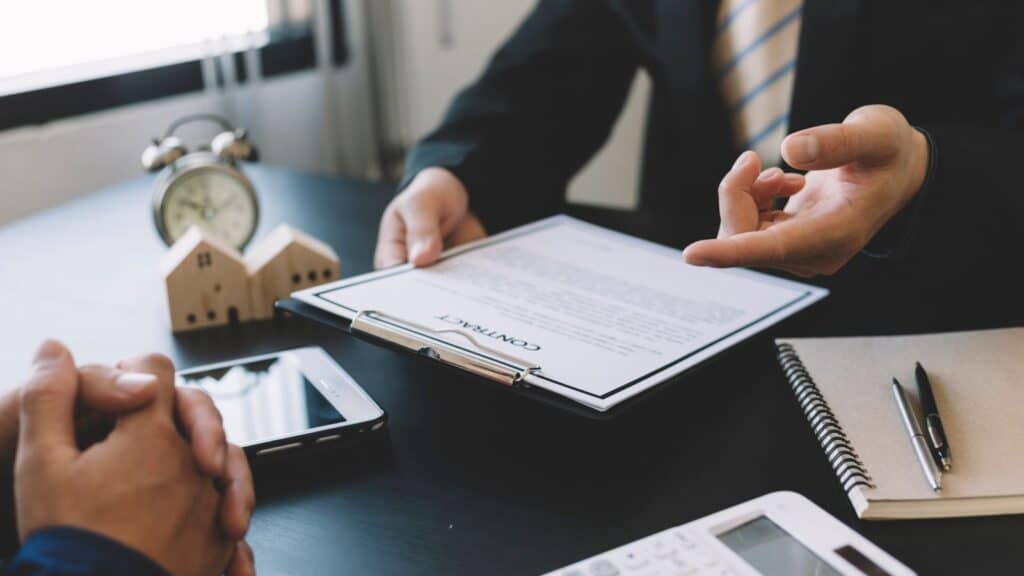
Renting a home has always involved financial planning, yet the decision once felt easier to predict. Many renters expected moderate increases when renewing or signing a new lease.
In many areas, rental prices have become less stable. Signing a lease today can feel uncertain because people worry about how much those costs might rise in the future.
Paying for Child Activities

Parents often enroll their children in sports, lessons, or extracurricular programs because they want to support their interests. These activities once felt manageable for many families.
As fees for equipment, travel, and participation increase, those decisions sometimes carry more financial pressure. Parents still want to give their kids opportunities, but the overall cost can feel harder to absorb.
Home Improvement Projects

Small home improvement projects used to feel like manageable upgrades that improved comfort or added value to a property. Painting a room or replacing fixtures rarely seemed risky.
The cost of materials and labor has risen enough that even modest projects can exceed expectations. Many homeowners now approach these improvements more cautiously because the total expense can escalate quickly.
Buying Groceries Without a Plan

For years grocery shopping felt fairly routine. People walked through the store, picked what they needed, and trusted the total would stay within a familiar range.
Today many shoppers find themselves paying closer attention to what goes into the cart. Without a plan, the bill can climb quickly, which turns an ordinary grocery trip into something that feels surprisingly expensive.
Adjusting to a New Spending Mindset

These changes do not necessarily mean people are spending less across the board. Instead, many households are approaching everyday purchases with a different mindset than they once did.
When prices rise across several areas at the same time, even ordinary financial decisions start carrying more weight. Taking a moment to think through those choices has simply become part of how people manage their money today.